Summer 2025 Nutrition: Maximize with Seasonal Produce Now
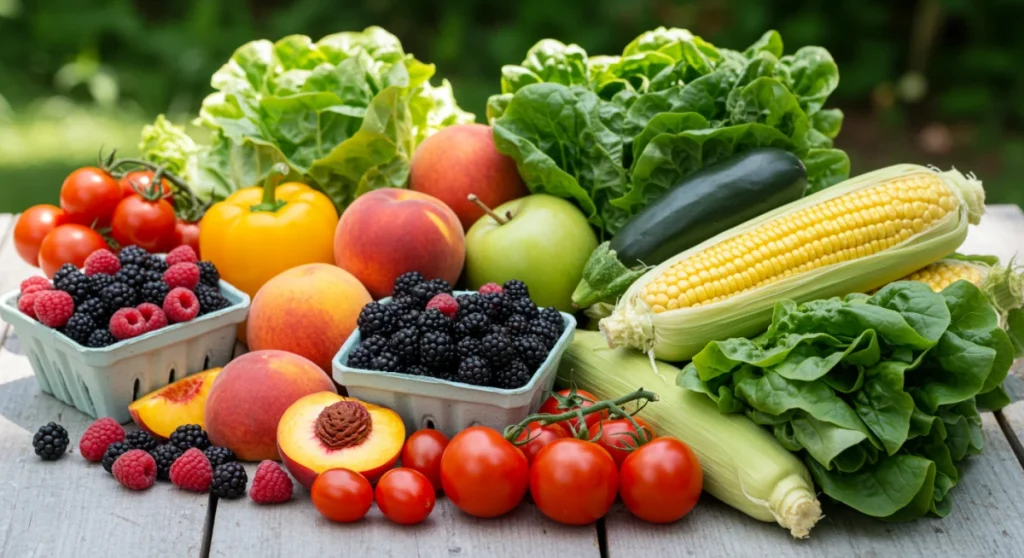
Embracing the immediate availability of seasonal produce is crucial for maximizing your summer 2025 nutrition, providing essential vitamins, minerals, and antioxidants for optimal health and vitality.
Are you looking to get a head start on your healthiest self? The secret to maximizing your summer 2025 nutrition begins right now, by focusing on the abundance of fresh, seasonal produce currently at its peak. This proactive approach ensures you’re fueling your body with the most nutrient-dense foods, setting the stage for a vibrant and energetic summer ahead.
The unparalleled benefits of seasonal eating
Eating seasonally offers a multitude of advantages that go beyond just taste. When fruits and vegetables are harvested in their prime, they are not only more flavorful but also packed with higher concentrations of vitamins, minerals, and antioxidants. This makes them a superior choice for your nutritional needs compared to produce that has traveled long distances or been stored for extended periods.
Beyond the nutritional boost, seasonal eating often means supporting local farmers and reducing your carbon footprint. It connects you more deeply with the natural cycles of food production and can even be more budget-friendly as supply is abundant. This holistic approach benefits your body, your community, and the planet.
Enhanced nutrient density
Produce that ripens naturally on the vine or tree, rather than being picked prematurely and ripened artificially, retains a greater spectrum of beneficial compounds. These compounds are vital for boosting immunity, fighting inflammation, and supporting overall cellular health.
- Higher vitamin content: Naturally ripened produce often contains more vitamin C, beta-carotene, and folate.
- Richer mineral profile: Essential minerals like potassium, magnesium, and iron are more concentrated.
- Potent antioxidants: Increased levels of polyphenols and flavonoids offer stronger protective effects.
Superior flavor and freshness
There’s an undeniable difference in taste when you bite into a strawberry picked at its peak versus one that’s been shipped across continents. Seasonal produce boasts a richer, more authentic flavor profile that can elevate any meal. This freshness also implies less time from farm to table, preserving delicate textures and aromas.
Choosing seasonal options means your food hasn’t undergone extensive processing or preservation techniques that can diminish its natural appeal. The vibrant colors and crisp textures are indicators of its prime condition and readiness to nourish your body.
In conclusion, prioritizing seasonal eating is a powerful strategy for enhancing your diet. It ensures you receive the maximum nutritional value, enjoy superior taste, and contribute to more sustainable food systems. This is particularly important as you plan your nutrition for summer 2025 nutrition, laying a foundation of health and vitality.
Key seasonal produce to embrace now
To truly maximize your summer 2025 nutrition, it’s essential to know which seasonal delights are currently available. This period offers an abundance of colorful and nutrient-rich options, each bringing unique benefits to your diet. Incorporating these foods into your daily meals can significantly enhance your well-being and prepare your body for the warmer months ahead.
Think about the vibrant hues you see at your local farmers’ market – those are your clues to what’s in season and at its nutritional peak. From juicy berries to crisp greens, the choices are plentiful and versatile, making healthy eating both easy and enjoyable.
Berries: nature’s antioxidant powerhouses
Strawberries, blueberries, raspberries, and blackberries are not just delicious; they are packed with antioxidants, fiber, and vitamin C. These small but mighty fruits are excellent for heart health, cognitive function, and reducing inflammation.
- Strawberries: High in vitamin C and manganese, great for skin health.
- Blueberries: Known for their high antioxidant levels, supporting brain health.
- Raspberries: Rich in fiber and ellagic acid, beneficial for digestion and anti-cancer properties.
- Blackberries: A good source of vitamins C and K, and dietary fiber.
Leafy greens: the foundation of health
Spinach, kale, Swiss chard, and arugula are incredibly versatile and nutrient-dense. They provide essential vitamins A, C, and K, as well as crucial minerals like iron and calcium. Regular consumption of leafy greens supports bone health, vision, and detoxification processes.
These greens can be easily incorporated into salads, smoothies, stir-fries, or as a vibrant side dish. Their mild to peppery flavors add depth to any meal, making them a staple for anyone focused on optimizing their health.
By focusing on these key seasonal items, you are actively investing in your health. The vibrant colors and fresh flavors not only make eating enjoyable but also guarantee you’re getting the most out of your food. This strategic selection is a cornerstone of effective planning for your summer 2025 nutrition.
Integrating seasonal produce into your daily meals
Once you know what’s in season, the next step is to seamlessly integrate these nutritional powerhouses into your daily diet. This doesn’t have to be complicated; simple adjustments can make a significant difference. The goal is to make healthy eating a natural and enjoyable part of your routine, especially when planning for robust summer 2025 nutrition.
Start by thinking about your typical meals and where you can swap in or add seasonal ingredients. A few creative ideas can transform your menu into a vibrant, nutrient-rich culinary experience.
Breakfast boosts
Kickstart your day with seasonal goodness. Berries are perfect additions to oatmeal, yogurt, or smoothies. Consider adding a handful of spinach to your morning scramble or a green smoothie for an extra dose of vitamins.
- Oatmeal with fresh berries and nuts.
- Greek yogurt topped with sliced peaches or plums.
- Spinach and mushroom omelet.
- Smoothies blending kale, banana, and seasonal fruit.
Lunch and dinner delights
For lunch and dinner, the possibilities are endless. Fresh salads featuring seasonal greens, tomatoes, and cucumbers are always a great option. Incorporate grilled seasonal vegetables like asparagus or zucchini as a side, or blend them into sauces and soups.
Many seasonal vegetables can also be roasted or stir-fried, bringing out their natural sweetness and enhancing their flavor. Think about creating a colorful vegetable medley to accompany your protein source, making your plate both appealing and nutritious.
Making seasonal produce a core component of your meals ensures you’re consistently receiving vital nutrients. This intentional incorporation will not only improve your current health but also build a strong foundation for your summer 2025 nutrition, preparing your body for peak performance and vitality.
The science behind peak nutrient absorption
Understanding why seasonal produce is superior for your summer 2025 nutrition involves delving into the science of nutrient absorption. The journey from farm to plate significantly impacts the nutritional integrity of food. When produce is consumed close to its harvest time, its cellular structure is intact, and its nutrient content is at its highest, leading to better bioavailability.
This means your body can more efficiently extract and utilize the vitamins, minerals, and phytonutrients present in the food. The fresher the produce, the less degradation of these sensitive compounds, which often occurs during storage and transportation.
Oxidation and nutrient loss
Many vitamins, particularly vitamin C and B vitamins, are susceptible to degradation when exposed to light, air, and heat. Produce that travels long distances or sits on shelves for extended periods experiences increased exposure to these elements, leading to a significant loss of these crucial nutrients.
Antioxidants, while designed to combat oxidation in the body, can themselves be oxidized and diminished outside of their natural environment. Consuming seasonal produce minimizes this exposure, ensuring you receive the full protective benefits these compounds offer.
Enzyme activity and digestion
Fresh, raw seasonal produce contains natural enzymes that can aid in digestion and nutrient absorption. These enzymes are often destroyed by heat during cooking or diminish over time in stored produce. By eating produce that is recently harvested, you can potentially support your digestive system’s efficiency.
- Enhanced enzyme activity: Supports the breakdown of food and nutrient assimilation.
- Improved gut health: Fiber from fresh produce feeds beneficial gut bacteria.
- Better nutrient utilization: Your body can more effectively absorb complex nutrients.
The scientific evidence strongly supports the practice of seasonal eating for optimal health. By choosing produce at its peak freshness, you are not only enjoying superior taste but also ensuring your body receives the maximum nutritional benefit. This approach is fundamental for anyone serious about elevating their summer 2025 nutrition and overall well-being.
Planning ahead for your summer 2025 nutrition
Strategic planning is key to sustaining a diet rich in seasonal produce, especially when looking ahead to your summer 2025 nutrition goals. While some produce is available now, thinking about how to preserve and utilize seasonal bounty throughout the year can extend its benefits. This proactive mindset ensures a continuous supply of nutrient-dense foods, even when specific items are out of season.
Consider methods like freezing, canning, or dehydrating to lock in the freshness and nutrients of peak-season fruits and vegetables. This not only helps you maintain a healthy diet but also reduces food waste and can be more economical in the long run.
Preservation techniques
Freezing is one of the easiest and most effective ways to preserve many fruits and vegetables. Berries, peas, corn, and chopped greens freeze well and retain much of their nutritional value. Blanching vegetables before freezing can help maintain their color and texture.
- Freezing: Ideal for berries, peas, corn, and chopped greens.
- Canning: Excellent for tomatoes, peaches, and green beans.
- Dehydrating: Great for making fruit leathers, dried herbs, or vegetable crisps.
Meal prepping with seasonal ingredients
Dedicate time each week to prepare meals or components of meals using seasonal produce. This can involve chopping vegetables, making large batches of roasted vegetables, or preparing salads that can last for a few days. Meal prepping streamlines healthy eating and reduces the temptation for less nutritious options.
By planning your meals around what’s currently in season and preserving the surplus, you create a robust system for year-round healthy eating. This forward-thinking approach is crucial for consistently meeting your dietary goals and ensuring your summer 2025 nutrition is as impactful as possible, regardless of the immediate harvest.
Sustainable eating and its impact on your health
Embracing seasonal produce for your summer 2025 nutrition extends beyond personal health; it also plays a significant role in promoting sustainable eating practices. Sustainable food choices benefit the environment, local economies, and ultimately, the long-term health of both individuals and communities. This interconnectedness highlights the broader impact of your dietary decisions.
When you choose seasonal and local produce, you are contributing to a food system that is more resilient and less resource-intensive. This aligns perfectly with a holistic approach to wellness, where personal health is seen as part of a larger ecological balance.
Reduced environmental footprint
Non-seasonal produce often travels thousands of miles, contributing to significant carbon emissions from transportation. Choosing local, seasonal options drastically reduces this ‘food mileage,’ leading to a smaller environmental footprint. It also often means less need for energy-intensive greenhouses or artificial ripening processes.
Supporting sustainable agriculture practices can also mean fewer pesticides and herbicides are used, preserving soil health and biodiversity. This creates a healthier environment for growing food and a safer ecosystem overall.
Supporting local economies
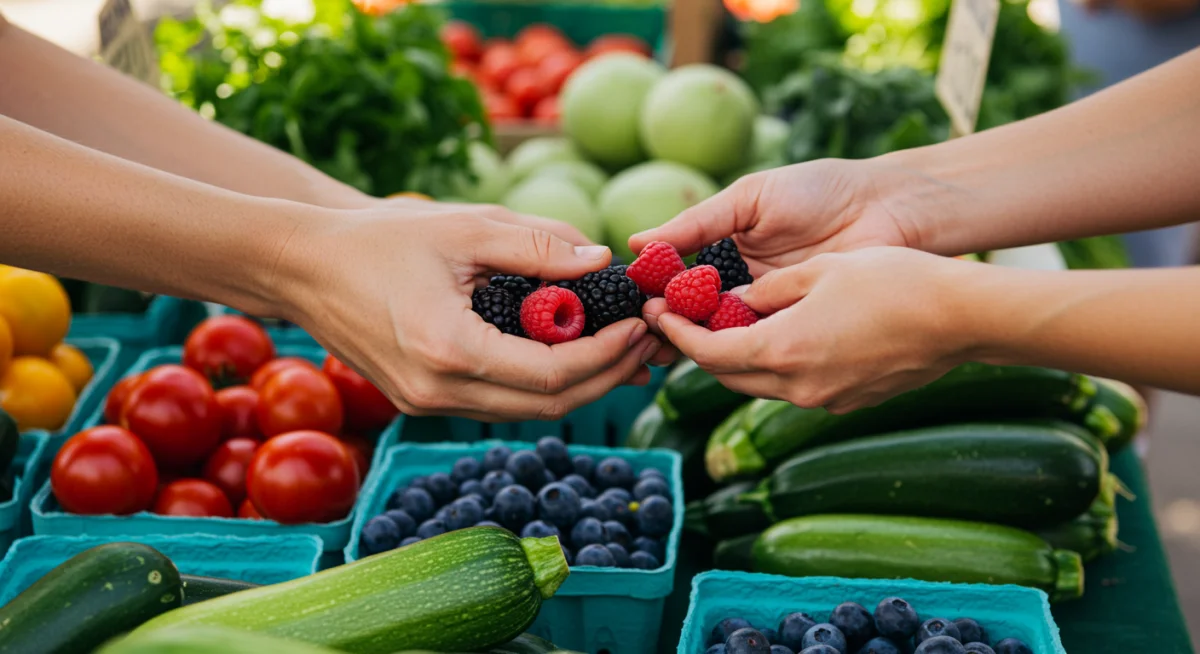
Purchasing seasonal produce from local farmers directly supports your community’s economy. This strengthens local food systems, creates jobs, and keeps money circulating within the region. It also fosters a direct connection between consumers and producers, building trust and transparency in the food chain.
- Boosts local businesses: Farmers’ markets and local co-ops thrive.
- Preserves agricultural land: Incentivizes local farming instead of development.
- Enhances food security: A strong local food system is less vulnerable to global disruptions.
By making conscious choices about what you eat, you are not only nurturing your body but also championing a more sustainable and equitable food future. This commitment to sustainable eating is an integral part of optimizing your summer 2025 nutrition, demonstrating that healthy choices can have far-reaching positive effects.
| Key Aspect | Brief Description |
|---|---|
| Nutrient Density | Seasonal produce offers higher concentrations of vitamins, minerals, and antioxidants due to optimal ripeness. |
| Flavor & Freshness | Enjoy superior taste and texture from produce harvested at its peak, reducing travel and storage time. |
| Health Benefits | Boost immunity, reduce inflammation, and support overall cellular health with vibrant seasonal foods. |
| Sustainable Impact | Support local economies and reduce your environmental footprint by choosing seasonal and local produce. |
Frequently asked questions about seasonal nutrition
Seasonal produce is harvested at its peak ripeness, ensuring maximum nutrient content, superior flavor, and better absorption by your body. It also supports local farming and reduces environmental impact, making it a holistic choice for health.
Focus on berries like strawberries and blueberries, leafy greens such as spinach and kale, and other vibrant options like asparagus, peas, and radishes. These are rich in essential vitamins, minerals, and antioxidants crucial for good health.
Add berries to breakfast cereals or smoothies, use leafy greens in salads or omelets, and roast or stir-fry seasonal vegetables for lunch and dinner. Simple swaps can significantly boost your nutrient intake without complex recipes.
Yes, absolutely. Fresher produce means less nutrient degradation from storage and transport. The intact cellular structure and higher enzyme activity in seasonal foods allow your body to absorb and utilize vitamins and minerals more efficiently, maximizing health benefits.
Eating seasonal and local produce reduces your carbon footprint by minimizing ‘food mileage’ and the need for energy-intensive farming methods. It also supports biodiversity and local agricultural economies, contributing to a more sustainable food system.
Conclusion
The journey to maximizing your summer 2025 nutrition begins with intentional choices made today. By consciously integrating fresh, seasonal produce into your diet, you are not only enriching your body with a superior array of nutrients but also fostering a deeper connection with your food source and the environment. This proactive approach ensures you reap the benefits of peak flavor, enhanced vitality, and sustainable living, setting a robust foundation for a healthier and more energetic summer ahead.