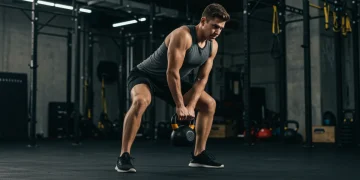
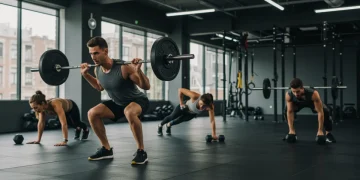
Strength Training for Longevity: Reduce Injury Risk by 25%

Strength training for longevity is crucial for significantly reducing injury risk and enhancing overall physical independence, with a focus on functional movements promising a 25% decrease in injuries by 2026.
In the quest for a longer, healthier life, the role of physical activity cannot be overstated. Among the myriad of fitness approaches, strength training for longevity stands out as a cornerstone for maintaining vitality, independence, and, critically, significantly reducing the risk of injury as we age. This guide delves into six essential functional movements, designed to be incorporated weekly, with the ambitious yet achievable goal of reducing injury risk by a remarkable 25% by 2026.
Understanding the Link: Strength Training and Longevity
The connection between robust strength and a longer, higher-quality life is increasingly well-documented. Beyond building muscle, strength training impacts bone density, metabolic health, and cognitive function, all vital components of healthy aging. It’s not merely about lifting heavy weights; it’s about fostering a resilient body capable of navigating daily challenges with ease and reducing susceptibility to age-related decline.
Engaging in regular strength training helps mitigate sarcopenia, the age-related loss of muscle mass and strength. This physiological decline often begins in our 30s and accelerates significantly after 50, contributing to reduced mobility, increased fall risk, and a diminished capacity to perform everyday tasks. By actively working against this natural process, we can preserve our physical capabilities for decades longer than previously thought possible.
Benefits Beyond Muscle Mass
The advantages of consistent strength training extend far beyond visible muscle. These benefits are foundational to a life of sustained vigor and reduced vulnerability.
- Improved Bone Density: Weight-bearing exercises stress bones, stimulating them to become denser and stronger, crucial for preventing osteoporosis and fractures.
- Enhanced Metabolic Health: Increased muscle mass improves insulin sensitivity and glucose metabolism, helping to manage or prevent conditions like type 2 diabetes.
- Better Balance and Coordination: Many strength exercises, especially functional ones, challenge stability, leading to improved balance and a lower risk of falls.
- Reduced Inflammation: Regular physical activity, including strength training, can help lower chronic inflammation, a key factor in many age-related diseases.
Moreover, the psychological benefits are profound. The sense of accomplishment, improved body image, and increased energy levels contribute to better mental health and overall life satisfaction. This holistic improvement in well-being is a powerful argument for prioritizing strength training in any longevity strategy.
Ultimately, strength training is an investment in your future self. It’s about building a physical reserve that allows you to remain active, independent, and enjoying life’s adventures without the constant worry of injury or physical limitations. By understanding these profound links, we can approach our training with renewed purpose and commitment.
The Importance of Functional Movements for Injury Prevention
Functional movements are exercises that train your muscles to work together and prepare them for daily tasks by simulating common actions you perform in life. Think about lifting groceries, climbing stairs, or simply getting up from a chair. These aren’t isolated muscle movements; they involve multiple joints and muscle groups working in harmony. Focusing on functional training is paramount for injury prevention because it strengthens the body in ways that directly translate to real-world scenarios.
Unlike isolation exercises that target a single muscle, functional movements build strength across various planes of motion, improving overall stability, coordination, and proprioception—your body’s awareness of its position in space. This comprehensive approach ensures that your body is not only strong but also adaptable and resilient, better equipped to handle unexpected movements or stresses without succumbing to injury.
Why Functional Training Reduces Risk
The efficacy of functional movements in injury prevention stems from several key principles. By mimicking natural human movements, these exercises enhance the body’s ability to move efficiently and safely, reducing strain on individual joints and muscles.
- Improved Movement Patterns: Functional exercises correct imbalances and reinforce proper movement mechanics, making everyday activities safer.
- Core Strength: Most functional movements engage the core extensively, providing a stable foundation for all other movements and protecting the spine.
- Joint Stability: By working multiple joints simultaneously, functional training strengthens the connective tissues around them, increasing their resilience.
- Enhanced Balance: Many functional movements inherently challenge balance, which is critical for preventing falls, especially in older adults.
Integrating functional movements into your routine means you’re training your body to perform better in its natural environment, reducing the likelihood of strains, sprains, and other common injuries that arise from inefficient or weak movement patterns. This proactive approach is a cornerstone of any effective injury prevention strategy, making your body more robust and less vulnerable.
The goal is not just to build strength, but to build smart strength—strength that serves a purpose in your daily life and protects you from harm. This philosophy underpins the selection of the six movements we’ll explore, each chosen for its profound impact on overall functional capacity and injury resilience.
Movement 1: The Squat – Foundation of Lower Body Strength
The squat is often hailed as the king of all exercises, and for good reason. It’s a fundamental human movement that we perform countless times a day, from sitting down to picking something off the floor. As a cornerstone of strength training for longevity, mastering the squat is essential for building robust lower body strength, improving mobility, and securing a strong foundation against injury.
Proper squat form engages the quadriceps, hamstrings, glutes, and core, simultaneously strengthening multiple major muscle groups. This compound movement not only builds power in the legs but also enhances hip and ankle mobility, crucial for maintaining balance and preventing falls. Incorporating squats regularly ensures that your body remains capable of performing everyday tasks with ease and efficiency.
How to Perform a Perfect Squat
Executing a squat correctly is more important than how much weight you lift. Focus on form to maximize benefits and minimize injury risk.
- Stance: Stand with feet shoulder-width apart, toes pointing slightly outward.
- Descent: Lower your hips as if sitting into a chair, keeping your chest up and back straight. Aim for thighs parallel to the ground or lower, if comfortable.
- Knee Position: Ensure your knees track in line with your toes, avoiding inward collapse.
- Ascent: Drive through your heels to return to the starting position, squeezing your glutes at the top.
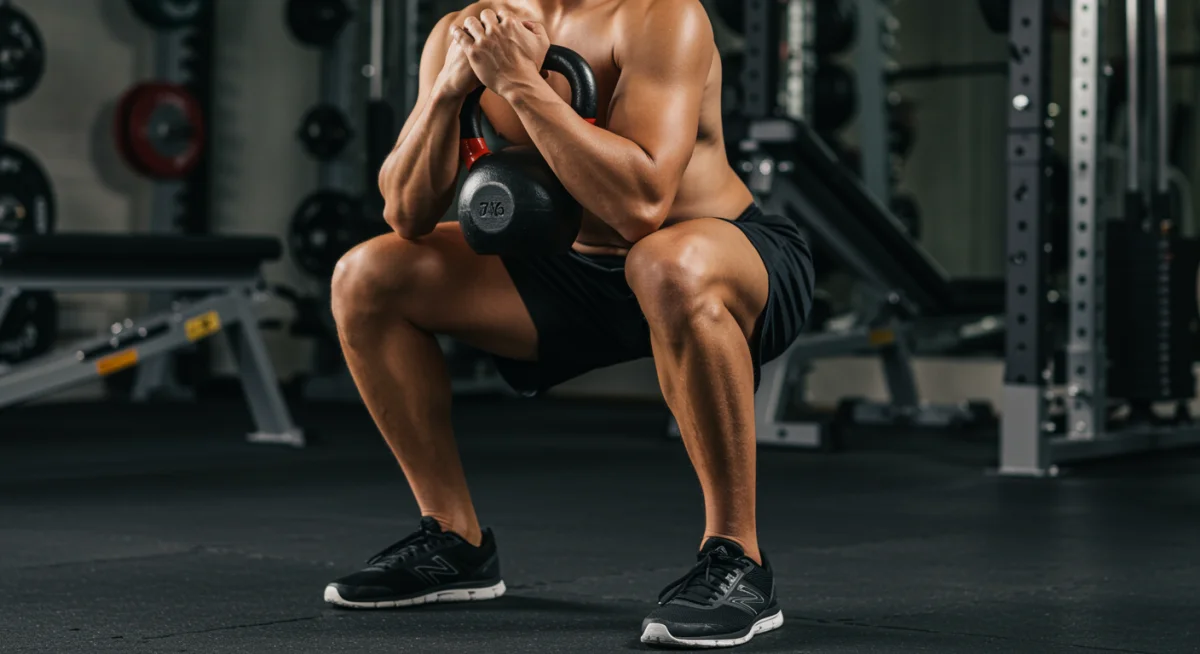
Starting with bodyweight squats allows you to perfect your form before adding external resistance. Once comfortable, progress to goblet squats with a dumbbell or kettlebell, or barbell squats, gradually increasing the challenge. The key is consistency and a continuous focus on maintaining proper mechanics.
Regularly practicing the squat will significantly enhance your lower body strength and overall functional capacity. This translates directly into improved stability, greater ease in daily activities, and a substantial reduction in the risk of lower body injuries. It’s a foundational movement that truly underpins a long and active life.
Movement 2: The Deadlift – Total Body Power and Core Stability
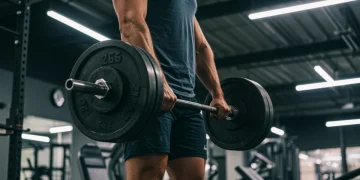
The deadlift is another powerhouse exercise, often considered the ultimate test of strength and a critical component of any comprehensive strength training for longevity program. It’s a full-body movement that engages virtually every major muscle group, from your hamstrings and glutes to your back and core. More than just lifting heavy, the deadlift teaches you how to lift objects safely from the ground, a practical skill that prevents countless lower back injuries in daily life.
This exercise builds immense posterior chain strength, which is vital for posture, athletic performance, and preventing injuries related to bending and lifting. A strong posterior chain supports your spine, improves hip hinge mechanics, and provides the raw power needed for explosive movements, all contributing to a more resilient and functional body as you age.
The core stability developed through deadlifts is unparalleled. Your abdominal and lower back muscles work synergistically to brace the spine, protecting it during the lift. This improved core strength translates into better balance, reduced risk of back pain, and enhanced overall body control, making it an indispensable movement for long-term health.
Mastering the Deadlift Technique
Given its complexity, proper deadlift technique is paramount to harness its benefits safely. Start with light weights or even a broomstick to perfect your form.
- Stance: Stand with feet hip-width apart, barbell over the middle of your feet.
- Grip: Hinge at your hips and bend your knees to grasp the bar with an overhand or mixed grip, hands just outside your shins.
- Setup: Lower your hips, keep your chest up, shoulders back, and a neutral spine. Engage your lats.
- Lift: Drive through your heels, extending your hips and knees simultaneously. Keep the bar close to your body.
- Descent: Reverse the motion, hinging at the hips first, then bending the knees, controlling the bar back to the floor.
Begin with conventional deadlifts or sumo deadlifts, and once proficient, consider Romanian deadlifts (RDLs) for specific hamstring and glute development. The deadlift is a challenging but incredibly rewarding exercise that, when performed correctly, offers unparalleled benefits for total body strength, power, and injury prevention, securing your physical independence for years to come.
Movement 3: The Overhead Press – Upper Body Strength and Shoulder Health
The overhead press is a foundational upper body exercise that is crucial for building shoulder strength, improving stability, and enhancing overall upper body power. For strength training for longevity, the overhead press is invaluable because it directly translates to daily activities like lifting objects overhead, placing items on high shelves, or even pushing oneself up. Strong, stable shoulders are less prone to injury, making this movement a key player in preventing common shoulder issues that can arise with age.
This exercise primarily targets the deltoids (shoulder muscles), triceps, and upper chest, while also engaging the core for stability. Performing the overhead press regularly helps maintain shoulder mobility and reduces the risk of rotator cuff injuries, which are notoriously debilitating. It ensures that your shoulders remain functional and resilient, allowing you to perform a wide range of movements without pain or limitation.
Perfecting Your Overhead Press
Proper form is essential to protect your shoulders and maximize the benefits of the overhead press. Start with lighter weights or even a PVC pipe to ensure correct mechanics.
- Stance: Stand with feet shoulder-width apart, core tight, and glutes squeezed.
- Grip: Hold the barbell or dumbbells slightly wider than shoulder-width, resting on your upper chest/front deltoids.
- Press: Drive the weight directly overhead, extending your arms fully. Keep your head slightly back to allow the bar to pass, then push it forward.
- Descent: Control the weight back down to the starting position on your upper chest.
Whether using dumbbells, a barbell, or even a resistance band, the overhead press builds crucial strength and stability in the shoulder girdle. This translates to greater ease in everyday lifting tasks, improved posture, and a significant reduction in the risk of shoulder-related injuries, ensuring that your upper body remains robust and functional throughout your life.
Movement 4: The Row – Back Strength and Postural Integrity
The row is an indispensable exercise for developing a strong and resilient back, an often-neglected area crucial for overall health and injury prevention. As a vital component of strength training for longevity, rowing movements counteract the pervasive effects of prolonged sitting and modern lifestyles, which often lead to poor posture and weak back muscles. Strengthening your back muscles through rowing helps maintain proper spinal alignment, reduces the risk of back pain, and improves overall postural integrity.
Rowing exercises target the muscles of the upper and middle back, including the lats, rhomboids, and traps, as well as the biceps and forearms. A strong back not only supports your spine but also balances the strength developed in the chest and shoulders, preventing muscular imbalances that can lead to injury. This balance is critical for maintaining functional movement patterns and ensuring that your body works as a cohesive unit.
The ability to pull is a fundamental human movement, essential for tasks like opening heavy doors, pulling objects towards you, or even maintaining stability when moving. Incorporating various rowing movements into your routine ensures that your back is strong, stable, and ready to handle these everyday demands without strain or injury, contributing significantly to your long-term physical well-being.
Implementing Effective Rowing Variations
There are numerous ways to perform rowing exercises, each offering slightly different benefits. Choose variations that suit your current fitness level and available equipment.
- Bent-Over Barbell Row: Hinge at the hips with a slight bend in the knees, pulling the barbell towards your lower chest/upper abdomen.
- Dumbbell Row: Support yourself with one hand on a bench, pulling a dumbbell towards your hip, focusing on squeezing your shoulder blade.
- Cable Row: Sit at a cable machine, pulling the handle towards your torso, maintaining a straight back and engaging your lats.
- Inverted Row: Using a low bar, pull your chest towards the bar, engaging your back and core. This is an excellent bodyweight option.
Focus on controlled movements and a full range of motion, squeezing your shoulder blades together at the peak of the contraction. Consistently incorporating rowing movements will lead to a stronger, more resilient back, improved posture, and a significantly reduced risk of back-related injuries, ensuring you move through life with greater comfort and confidence.
Movement 5: The Lunge – Unilateral Leg Strength and Balance
The lunge is an exceptional exercise for developing unilateral (single-leg) strength, balance, and coordination, making it an indispensable movement for strength training for longevity. Unlike squats or deadlifts which work both legs simultaneously, lunges challenge each leg independently, addressing muscular imbalances that can lead to injury and improving stability. This unilateral focus is crucial for daily activities such as walking, running, climbing stairs, and stepping over obstacles, all of which require strength and balance on one leg at a time.
Lunges engage the quadriceps, hamstrings, and glutes of the working leg, while also intensely challenging the core to maintain stability. The dynamic nature of the lunge improves hip mobility and strengthens the stabilizing muscles around the knee and ankle, significantly reducing the risk of injuries in these critical joints. By regularly performing lunges, you are training your body to be more adaptable and resilient to the varied demands of everyday movement.
Variations for Comprehensive Leg Development
There are several lunge variations that can be incorporated to target different aspects of leg strength and balance. Start with bodyweight lunges to master the form before adding resistance.
- Forward Lunge: Step forward, lowering your hips until both knees are bent at approximately a 90-degree angle. Push off the front foot to return to the start.
- Reverse Lunge: Step backward, lowering your hips similarly. This variation often feels more stable and is great for beginners.
- Walking Lunge: Continuously lunge forward, stepping directly into the next lunge without returning to the starting position.
- Lateral Lunge: Step to the side, keeping one leg straight while bending the other, targeting the inner and outer thighs, and improving frontal plane stability.
Focus on maintaining a straight torso, keeping your front knee aligned with your toes, and ensuring your back knee hovers just above the ground. Lunges are excellent for building functional leg strength, enhancing balance, and preventing injuries, making them a cornerstone for maintaining mobility and independence as you age.
Movement 6: The Farmer’s Carry – Grip Strength and Core Stability
The Farmer’s Carry might seem deceptively simple, yet it is one of the most effective functional movements for building overall strength, enhancing grip, and improving core stability, all critical for strength training for longevity. This exercise involves holding heavy weights in each hand and walking for a set distance or time. Its direct translation to real-world tasks, such as carrying groceries, luggage, or children, makes it an invaluable addition to any fitness regimen aimed at injury prevention and sustained independence.
The primary benefits of the Farmer’s Carry stem from its comprehensive engagement of the body. It intensely challenges grip strength, which is often a limiting factor in many other exercises and a strong predictor of overall health and longevity. Beyond grip, it activates the shoulders, upper back, traps, and core muscles to stabilize the torso and maintain an upright posture. This full-body engagement helps to correct postural imbalances and strengthens the entire kinetic chain.
Moreover, the continuous tension during the walk improves muscular endurance and reinforces proper walking mechanics. By forcing your body to resist lateral flexion and rotation, it builds a resilient core that protects your spine from injury, especially during asymmetric loading. This makes it an excellent exercise for improving overall body control and reducing the risk of falls.
Implementing the Farmer’s Carry
The beauty of the Farmer’s Carry lies in its simplicity and adaptability. You can perform it with various types of equipment and adjust the intensity based on weight and distance.
- Equipment: Use dumbbells, kettlebells, trap bars, or even heavy buckets filled with sand.
- Weight Selection: Choose a weight that challenges your grip and allows you to maintain good posture for the duration of your walk.
- Form: Stand tall, shoulders back and down, chest up, and core braced. Avoid leaning to one side.
- Execution: Walk a set distance (e.g., 50-100 feet) or for a set time (e.g., 30-60 seconds), focusing on controlled steps and maintaining your posture.
Regularly integrating the Farmer’s Carry into your weekly routine will significantly boost your grip strength, core stability, and overall functional endurance. This translates directly into a greater capacity for everyday tasks, a more resilient body, and a reduced risk of injury, empowering you to maintain an active and independent lifestyle for many years to come.
| Key Movement | Primary Benefit for Longevity |
|---|---|
| Squat | Enhances lower body strength, mobility, and balance for daily tasks. |
| Deadlift | Builds total body power and core stability, crucial for safe lifting. |
| Overhead Press | Develops upper body strength and shoulder health, preventing injuries. |
| Farmer’s Carry | Boosts grip strength and core stability, essential for functional tasks. |
Frequently Asked Questions About Strength Training for Longevity
For optimal benefits, aim for 2-3 strength training sessions per week, allowing for rest and recovery between workouts. Consistency is more important than intensity, especially when starting out. Listen to your body and adjust as needed.
Absolutely. Strength training is not only safe but highly recommended for older adults. It helps combat age-related muscle loss, improves bone density, and enhances balance. Always consult a doctor before starting a new exercise program and consider working with a qualified trainer.
Begin with bodyweight exercises to master proper form for movements like squats and lunges. Once comfortable, gradually add light resistance using dumbbells or resistance bands. Focus on technique over heavy weights, and consider professional guidance to ensure safety and effectiveness.
Yes, consistent and properly executed strength training, especially focusing on functional movements, can significantly reduce injury risk. By strengthening muscles, improving balance, and enhancing joint stability, the body becomes more resilient to everyday stresses and unexpected movements, thereby lowering the likelihood of injuries.
These six functional movements are foundational and generally suitable for most individuals. However, modifications might be necessary based on individual fitness levels, health conditions, or previous injuries. Consulting with a healthcare professional or certified personal trainer is always recommended to tailor the program to your specific needs.
Conclusion
Embracing strength training for longevity is more than just a fitness trend; it’s a strategic investment in your future health and independence. By diligently incorporating these six functional movements—the squat, deadlift, overhead press, row, lunge, and farmer’s carry—into your weekly routine, you are actively building a body that is stronger, more resilient, and significantly less susceptible to injury. The goal of a 25% reduction in injury risk by 2026 is an ambitious yet attainable benchmark, reflecting the profound impact consistent and intelligent strength training can have. Remember that consistency, proper form, and progressive overload are your allies in this journey. Start today, prioritize your long-term well-being, and enjoy the profound benefits of a life lived with greater strength, vitality, and freedom from injury.