SAD: 5 Proactive Measures for US Residents in Winter 2025
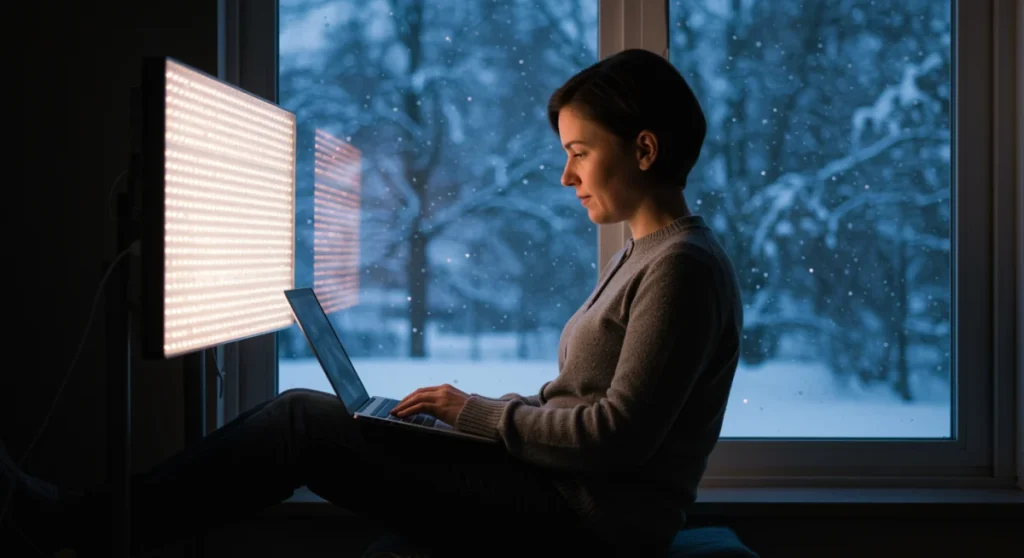
Implementing proactive strategies like light therapy, regular exercise, and mindful nutrition can significantly mitigate the impact of Seasonal Affective Disorder (SAD) for US residents during the winter of 2025.
As winter approaches in the United States, many individuals begin to feel the familiar shift in mood and energy often associated with shorter days and less sunlight. This phenomenon, known as Seasonal Affective Disorder (SAD): 5 Proactive Measures for US Residents During Winter 2025, affects millions, manifesting as depressive symptoms that align with seasonal changes. Understanding and addressing SAD proactively is not just beneficial; it’s essential for maintaining mental well-being throughout the colder months.
Understanding Seasonal Affective Disorder (SAD)
Seasonal Affective Disorder, or SAD, is a type of depression that recurs with the changing seasons, most commonly beginning in late fall or early winter and ending in spring or early summer. While the exact cause remains unclear, research suggests a strong link to the reduction in sunlight, which can disrupt the body’s internal clock, lower serotonin levels, and affect melatonin production. These biological changes can lead to a range of symptoms that significantly impact daily life.
For US residents, the geographical location plays a significant role in SAD prevalence. Those living in northern states, where winter days are shorter and darker, often experience more severe symptoms. The lack of natural light can exacerbate feelings of lethargy, sadness, and a general loss of interest in activities once enjoyed. Recognizing these patterns is the first step toward effective management and proactive intervention.
The science behind SAD symptoms
The human body relies heavily on light cues to regulate its circadian rhythm, which controls sleep-wake cycles and influences mood. Reduced daylight exposure in winter can throw this rhythm out of sync. This disruption leads to alterations in neurotransmitter levels crucial for mood regulation. Serotonin, often dubbed the ‘feel-good’ chemical, tends to decrease, while melatonin, which promotes sleep, can increase excessively, leading to fatigue and oversleeping.
- Disrupted circadian rhythm: Lack of light confuses the body’s internal clock.
- Lower serotonin levels: Directly impacts mood, leading to feelings of sadness.
- Increased melatonin production: Causes drowsiness and low energy.
- Vitamin D deficiency: Less sunlight means less natural vitamin D synthesis, impacting mood.
These physiological changes collectively contribute to the hallmark symptoms of SAD, including persistent low mood, fatigue, changes in appetite, and difficulty concentrating. Understanding these underlying mechanisms empowers individuals to seek targeted interventions rather than dismissing their feelings as mere ‘winter blues.’ Proactive measures focus on counteracting these biological shifts to restore balance.
The impact of SAD extends beyond individual symptoms, affecting relationships, work productivity, and overall quality of life. Early identification and consistent implementation of coping strategies are vital. As we delve into specific proactive measures, remember that consistency is key to mitigating the recurring nature of this seasonal condition.
Light Therapy: Harnessing the Power of Artificial Sunlight
Light therapy, also known as phototherapy, is a cornerstone in the proactive management of SAD. It involves daily exposure to a special light box that mimics natural outdoor light, helping to reset the body’s circadian rhythm and improve mood. For US residents, especially in regions with limited winter daylight, this can be an incredibly effective tool. The goal is to compensate for the reduced natural light exposure by providing a consistent, bright light source.
Choosing the right light therapy lamp is crucial. These devices emit a full spectrum of light, typically 10,000 lux, and are designed to filter out harmful UV rays. Usage typically involves sitting a specific distance from the lamp for about 20-30 minutes each morning, ideally shortly after waking up. Consistency is paramount for optimal results, as irregular use may diminish its effectiveness.
Selecting the right light box
When considering a light therapy lamp, several factors should guide your choice to ensure safety and efficacy. Look for devices specifically designed for SAD treatment, often labeled as ‘light therapy lamps’ or ‘SAD lamps.’ The intensity, measured in lux, should be around 10,000 to provide sufficient light exposure. Also, consider the light’s spectrum; full-spectrum light is generally recommended.
- 10,000 lux intensity: Standard recommendation for effective SAD treatment.
- UV-filtered light: Essential for eye and skin safety.
- Adjustable angle and height: Allows for comfortable and effective positioning.
- Reputable manufacturer: Ensures quality and safety standards are met.
It’s important to consult with a healthcare provider before starting light therapy to ensure it’s appropriate for your specific condition and to rule out any contraindications. While generally safe, some individuals might experience mild side effects like eye strain, headaches, or nausea, which often subside with continued use or by adjusting the distance from the lamp. Proper placement and consistent daily use are vital to maximize the therapeutic benefits of light therapy, making it a powerful ally against winter SAD.

Integrating light therapy into your daily routine can transform your winter experience. By actively addressing the light deficiency, you’re directly tackling one of the primary triggers of SAD, paving the way for improved energy levels and a more stable mood throughout the season.
Embracing Regular Physical Activity
Physical activity is a powerful antidepressant and mood booster, offering significant benefits for individuals susceptible to SAD. Engaging in regular exercise, even during the colder winter months, can help alleviate symptoms by increasing endorphins, reducing stress hormones, and improving sleep quality. For US residents, finding creative ways to stay active when outdoor options are limited is key. This doesn’t necessarily mean rigorous gym sessions; even moderate activity can make a substantial difference.
The connection between physical activity and mental health is well-documented. Exercise can help regulate neurotransmitters like serotonin and norepinephrine, which are often imbalanced in depressive states. Furthermore, it provides an outlet for stress and anxiety, common companions of SAD. Making exercise a consistent part of your winter routine can build resilience against the seasonal shifts in mood and energy.
Integrating exercise into winter routines
The challenge during winter is often motivation and access to suitable environments for exercise. However, numerous options exist, both indoors and outdoors, to keep you moving. Planning ahead and finding activities you genuinely enjoy can significantly increase adherence.
- Indoor options: Home workouts, gym memberships, indoor sports, dance classes.
- Outdoor activities: Winter hiking, cross-country skiing, ice skating, brisk walks if weather permits.
- Group fitness: Joining classes or sports teams for added social interaction and accountability.
- Short bursts of activity: Even 10-15 minute walks or stretching sessions can accumulate benefits.
Consistency is more important than intensity when it comes to combating SAD with exercise. Aim for at least 30 minutes of moderate-intensity activity most days of the week. This could be a brisk walk during your lunch break, a home yoga session, or a weekend hike. The goal is to keep your body moving and your mind engaged, providing a natural buffer against the winter blues.
Beyond the physiological benefits, physical activity can also provide a sense of accomplishment and routine, which are often disrupted by SAD. By prioritizing movement, you are actively investing in your mental and physical well-being, creating a proactive defense against the seasonal downturn.
Nutritional Support and Supplementation
Diet plays a crucial, though often underestimated, role in mood regulation and overall mental health. During winter, when exposure to natural sunlight is reduced, focusing on nutritional support and appropriate supplementation becomes even more important for managing SAD. For US residents, this means being mindful of dietary choices that can impact neurotransmitter function and energy levels. A balanced diet rich in specific nutrients can help stabilize mood and enhance resilience against seasonal depression.
Certain nutrients are particularly vital for brain health and mood. Omega-3 fatty acids, found in fatty fish, flaxseeds, and walnuts, are known for their anti-inflammatory properties and role in brain function. Complex carbohydrates, such as whole grains, can help boost serotonin levels, providing a calming effect. Conversely, excessive intake of processed foods, refined sugars, and caffeine can lead to energy crashes and mood swings, exacerbating SAD symptoms.
Key nutrients and supplements for SAD
While a healthy diet is the foundation, supplementation can fill nutritional gaps, especially during winter. Vitamin D is perhaps the most critical supplement for SAD, given its direct link to sunlight exposure. Many US residents, particularly in northern states, are deficient in vitamin D during winter months.
- Vitamin D: Essential for mood regulation and immune function; supplement as advised by a doctor.
- Omega-3 Fatty Acids: Supports brain health and reduces inflammation, benefiting mood.
- B Vitamins: Crucial for energy production and neurotransmitter synthesis.
- Magnesium: Involved in numerous biochemical reactions, including those affecting mood and sleep.
- Tryptophan: Precursor to serotonin, found in foods like turkey, chicken, and nuts.
Before incorporating any new supplements, it is always advisable to consult with a healthcare professional. They can assess your individual needs and recommend appropriate dosages, preventing potential interactions or adverse effects. A holistic approach that combines a nutrient-dense diet with targeted supplementation can significantly bolster your defenses against SAD.
By consciously choosing foods that support brain health and considering targeted supplements, you are actively contributing to your mental well-being. This proactive nutritional strategy can provide the physiological foundation needed to navigate the winter months with greater ease and stability.
Prioritizing Sleep Hygiene and Routine
The disruption of natural light cycles during winter can severely impact sleep patterns, a critical factor in managing SAD. Establishing and maintaining excellent sleep hygiene and a consistent routine is a powerful proactive measure for US residents. Poor sleep can exacerbate feelings of fatigue, irritability, and low mood, creating a vicious cycle that intensifies SAD symptoms. Conversely, quality sleep can significantly improve mood, energy, and overall resilience.
Our bodies thrive on routine, and sleep is no exception. A consistent sleep schedule helps regulate the body’s internal clock, ensuring that melatonin production and other sleep-related hormones are released at appropriate times. This helps to counteract the natural tendency for increased melatonin in winter, which can lead to oversleeping and daytime drowsiness.
Strategies for optimizing winter sleep
Creating an environment conducive to sleep and adhering to a strict schedule are foundational to good sleep hygiene. Small adjustments can yield significant improvements in sleep quality and, consequently, in managing SAD symptoms.
- Consistent sleep schedule: Go to bed and wake up at the same time daily, even on weekends.
- Optimize sleep environment: Keep your bedroom dark, quiet, and cool.
- Limit screen time: Avoid electronic devices at least an hour before bed.
- Avoid caffeine and alcohol: Especially in the late afternoon and evening, as they disrupt sleep.
- Relaxation techniques: Incorporate practices like meditation, deep breathing, or a warm bath before bed.
It’s important to be patient when implementing new sleep routines, as it can take time for your body to adjust. However, the benefits of improved sleep extend far beyond just feeling rested; they directly contribute to a more stable mood, better concentration, and increased energy levels, all of which are crucial for combating SAD effectively. Prioritizing sleep is a non-negotiable step in your proactive SAD management plan, offering a natural and restorative pathway to winter wellness.
Building a Strong Social Support Network
Isolation and withdrawal are common symptoms of SAD, making the cultivation of a robust social support network an essential proactive measure for US residents. During winter, when outdoor activities and social gatherings might be less frequent, deliberately connecting with others can provide emotional resilience and a sense of belonging. Human connection is a powerful antidote to feelings of loneliness and sadness, which can be amplified during the darker months.
Maintaining social ties can offer diverse benefits, including emotional support, practical assistance, and opportunities for shared positive experiences. These interactions can distract from negative thought patterns and provide a sense of purpose. For those prone to SAD, having people to talk to, share activities with, or simply spend time with can significantly buffer the impact of the disorder.
Strategies for fostering social connections
Actively seeking opportunities for social engagement is crucial, especially when the inclination might be to retreat. It doesn’t require large groups; even one-on-one interactions can be highly beneficial. The key is consistent, meaningful connection.
- Schedule regular meet-ups: Plan coffee dates, virtual calls, or walks with friends and family.
- Join clubs or groups: Pursue hobbies that involve social interaction, like book clubs, fitness classes, or volunteer work.
- Utilize technology: Video calls and messaging can bridge distances and maintain connections.
- Attend community events: Look for local winter festivals, workshops, or seasonal gatherings.
- Offer help to others: Acts of kindness can boost your own mood and strengthen bonds.
Remember that a strong social support network isn’t just about having people around; it’s about having people who genuinely care and with whom you can share your experiences. Being proactive in maintaining and expanding your social circle can provide invaluable emotional ballast against the seasonal downturn. It reminds you that you are not alone in facing the challenges of winter and offers a vital source of comfort and encouragement.
Mindfulness and Stress Reduction Techniques
Integrating mindfulness and stress reduction techniques into your daily routine offers a powerful proactive approach to managing SAD for US residents. The winter months can bring increased stress from various sources, and SAD itself can heighten feelings of anxiety and overwhelm. Practicing mindfulness helps you stay present, observe your thoughts and feelings without judgment, and cultivate a sense of calm amidst the seasonal changes. These techniques are not just reactive; they build mental resilience over time, making you less susceptible to the cyclical nature of SAD.
Mindfulness is about paying attention to the present moment, on purpose and without judgment. This can involve formal meditation practices or simply bringing a mindful awareness to everyday activities like eating, walking, or drinking a cup of tea. When applied to SAD, mindfulness allows individuals to acknowledge their symptoms without being consumed by them, fostering a greater sense of control and acceptance.
Practical mindfulness and stress reduction tools
There are numerous accessible techniques that can be easily incorporated into your winter routine. Consistency is key, even if it’s just for a few minutes each day. Over time, these practices can significantly alter your emotional landscape and reduce the intensity of SAD symptoms.
- Daily meditation: Use guided meditations or simple breath awareness exercises.
- Mindful movement: Practice yoga, tai chi, or simply pay attention to your body during a walk.
- Deep breathing exercises: Simple techniques to calm the nervous system quickly.
- Journaling: Expressing thoughts and feelings can reduce mental clutter and stress.
- Nature immersion: Even brief exposure to nature, if weather permits, can be grounding and calming.
Stress reduction techniques, such as progressive muscle relaxation or visualization, can also be highly effective. The goal is to find what resonates with you and consistently integrate it into your daily life. By actively managing stress and cultivating mindfulness, you build an internal sanctuary that can help you navigate the challenges of winter with greater peace and emotional stability, turning potential seasonal vulnerability into an opportunity for growth and self-care.
| Proactive Measure | Brief Description |
|---|---|
| Light Therapy | Daily exposure to 10,000 lux light boxes to mimic natural sunlight and regulate circadian rhythm. |
| Physical Activity | Regular exercise, indoors or outdoors, to boost mood, reduce stress, and improve sleep. |
| Nutritional Support | Balanced diet rich in omega-3s, B vitamins, and Vitamin D supplementation as needed. |
| Sleep Hygiene | Maintain a consistent sleep schedule and optimize your bedroom environment for quality rest. |
Frequently asked questions about SAD management
Light therapy is widely considered one of the most effective proactive measures for Seasonal Affective Disorder (SAD). Daily exposure to a 10,000 lux light box can help regulate your circadian rhythm and improve mood by mimicking natural sunlight, especially crucial for US residents in darker winter regions.
Yes, diet plays a significant role. A balanced diet rich in omega-3 fatty acids, B vitamins, and complex carbohydrates supports brain health and neurotransmitter function. Supplementing with Vitamin D, after consulting a doctor, is particularly important for US residents during winter due to reduced sun exposure.
Aim for at least 30 minutes of moderate-intensity physical activity most days of the week. This could include brisk walking, cycling, or indoor workouts. Regular exercise boosts endorphins, reduces stress, and improves sleep, all vital for managing SAD symptoms effectively.
Absolutely. Social isolation can exacerbate SAD symptoms. Actively seeking and maintaining social connections, whether through scheduled meet-ups, group activities, or virtual calls, provides emotional support and a sense of belonging, which are crucial for mental well-being during winter.
If SAD symptoms are severe, persistent, or significantly interfere with daily life, it’s crucial to seek professional help. A healthcare provider can offer a diagnosis, recommend personalized treatment plans, which may include therapy or medication, and ensure comprehensive care for your mental health.
Conclusion
Navigating the winter months in the US with Seasonal Affective Disorder requires a proactive and multifaceted approach. By integrating strategies such as consistent light therapy, regular physical activity, mindful nutritional choices, strict sleep hygiene, and robust social connections, individuals can significantly mitigate the impact of SAD. Furthermore, incorporating mindfulness and stress reduction techniques builds long-term resilience against seasonal mood shifts. These proactive measures, when consistently applied, empower US residents to not only survive winter but to thrive, fostering sustained mental well-being and a healthier, more balanced life throughout 2025 and beyond.