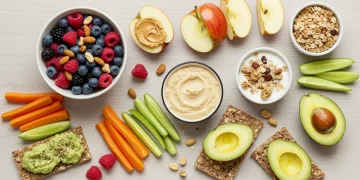
3-Month Plan to Reduce Processed Food Intake by 25% for Better Health
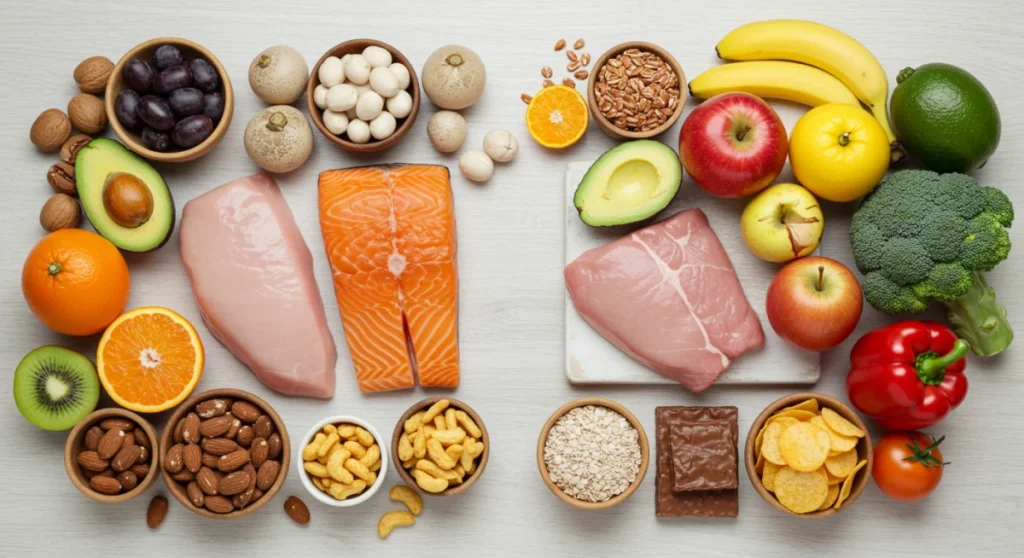
Implementing a structured 3-month plan can effectively reduce processed food intake by 25%, leading to measurable improvements in health through mindful eating, gradual dietary shifts, and increased consumption of whole, unprocessed foods.
Are you ready to transform your diet and boost your well-being? Our guide, Practical Solutions: A 3-Month Plan to Reduce Processed Food Intake by 25% for Better Health, offers a clear, achievable roadmap to significantly cut down on processed foods. This isn’t about drastic, unsustainable changes, but rather a gradual, intelligent approach to a healthier you.
Understanding the Impact of Processed Foods on Your Health
Processed foods have become a ubiquitous part of modern diets, offering convenience at the expense of nutritional quality. Understanding their impact is the first step towards making healthier choices and committing to a plan to reduce their consumption. Many processed items are laden with unhealthy fats, added sugars, and excessive sodium, all of which contribute to various health issues.
These ingredients are often designed to enhance flavor and extend shelf life, making them highly appealing but nutritionally deficient. Regular consumption of such foods can lead to chronic inflammation, weight gain, and an increased risk of chronic diseases. Recognizing these risks provides a strong motivation to embark on a journey towards a more whole-food-based diet.
The hidden dangers in your pantry
Many seemingly innocuous products in our pantries are, in fact, highly processed. These can include breakfast cereals, packaged snacks, frozen meals, and even some types of bread. They often contain artificial colors, flavors, and preservatives that offer no nutritional value and may even be harmful in the long run.
- Added Sugars: Contribute to obesity, type 2 diabetes, and heart disease.
- Unhealthy Fats: Trans fats and excessive saturated fats raise bad cholesterol levels.
- High Sodium: Linked to high blood pressure and increased risk of stroke.
- Artificial Additives: May cause allergic reactions or digestive issues in sensitive individuals.
Long-term health consequences
The cumulative effect of a diet high in processed foods can be profound. Beyond immediate weight gain, it can impair cognitive function, disrupt gut microbiome balance, and reduce overall energy levels. Shifting away from these foods can lead to significant improvements in physical and mental health. This plan aims to mitigate these risks by guiding you toward more nourishing options.
By gradually reducing your reliance on processed items, you can restore your body’s natural balance and enhance its ability to function optimally. This proactive approach to nutrition is an investment in your long-term well-being.
Month 1: Laying the Foundation – Identifying and Replacing
The first month of our plan focuses on awareness and making small, manageable changes. The goal is to identify your current processed food intake and begin to replace a small portion of it with healthier alternatives. This gentle introduction prevents overwhelming feelings and ensures sustainability.
Start by keeping a food diary for a few days to get an honest picture of your eating habits. This will help you pinpoint specific processed foods you consume regularly. Once identified, choose one or two items to target for reduction, aiming for a modest 5-10% decrease.
Week 1-2: Audit your pantry and fridge
Take stock of what’s in your kitchen. Read labels carefully. You’ll be surprised at how many items contain hidden sugars, unhealthy fats, and artificial ingredients. This audit provides a baseline for your reduction efforts.
- Check ingredient lists: Look for unfamiliar names, high-fructose corn syrup, and hydrogenated oils.
- Categorize items: Separate truly whole foods from those that are highly processed.
- Identify common culprits: What processed snacks or meals do you reach for most often?
Once you have a clear picture, consider donating or discarding items that offer no nutritional value and are easy to overconsume. This clears space for healthier choices.
Week 3-4: Small swaps and mindful eating
Begin replacing one processed item with a whole food alternative each week. For example, swap sugary breakfast cereal for oatmeal with fruit, or replace potato chips with a handful of nuts. Focus on mindful eating, paying attention to hunger cues and satiety signals.
Eating slowly and savoring your food can also reduce the desire for highly palatable processed snacks. This month is about building awareness and establishing a new routine, not perfection. Celebrate small victories and learn from any setbacks.
Month 2: Gradual Reduction and Skill Building
Building on the foundation of month one, the second month intensifies your efforts to reduce processed food intake. The aim is to increase your reduction to approximately 15-20% by introducing more cooking at home and exploring new, healthier ingredients. This phase requires a bit more planning but offers significant rewards.
Begin to experiment with simple recipes that use whole ingredients. Cooking at home gives you full control over what goes into your food, allowing you to avoid hidden additives and excessive sodium. This skill development is crucial for long-term success.
Learning to cook with whole ingredients
Many people shy away from cooking because they perceive it as time-consuming or complicated. However, there are numerous simple, quick recipes that utilize fresh produce, lean proteins, and whole grains. Start with one new recipe each week.
Consider meal prepping on weekends to have healthy options readily available during busy weekdays. This minimizes the temptation to grab convenient, processed meals. Focus on ingredients like fresh vegetables, fruits, legumes, nuts, seeds, and lean proteins.
Navigating grocery stores with confidence
The grocery store can be a minefield of processed foods. In month two, hone your ability to shop smart. Stick to the perimeter of the store where fresh produce, dairy, and meat are typically located. Venture into the inner aisles only for specific whole-food staples like spices, whole grains, and healthy oils.

Always read nutrition labels, even for items you think are healthy. Pay attention to serving sizes, sugar content, and ingredient lists. A good rule of thumb is: if you can’t pronounce an ingredient, it’s probably best to avoid it.
- Prioritize fresh produce: Fill your cart with colorful fruits and vegetables.
- Choose whole grains: Opt for brown rice, quinoa, and whole-wheat pasta over refined versions.
- Select lean proteins: Chicken, fish, beans, and lentils are excellent choices.
- Limit packaged snacks: Avoid aisles filled with chips, cookies, and sugary drinks.
This month is about actively seeking out nutritious options and becoming more adept at preparing them. It’s a significant step in reducing your reliance on pre-made, processed items.
Month 3: Sustaining Progress and Optimizing Health
By the third month, you should be well on your way to achieving a 25% reduction in processed food intake. This final phase focuses on solidifying these new habits, fine-tuning your diet, and celebrating your progress. The goal is to make these changes a sustainable part of your lifestyle, not just a temporary diet.
Reflect on how your body feels and any positive changes you’ve noticed. Increased energy, improved digestion, clearer skin, and better mood are common benefits. These positive reinforcements will motivate you to continue your journey.
Advanced meal planning and preparation
With increased confidence in the kitchen, you can now explore more diverse recipes and refine your meal planning strategies. Consider batch cooking larger quantities of healthy meals to freeze for future use, ensuring you always have nutritious options available.
Experiment with new spices and herbs to add flavor without relying on processed sauces or seasonings. This stage is about making healthy eating enjoyable and effortless, integrating it seamlessly into your daily routine.
Navigating social situations and eating out
Eating out or attending social gatherings can be challenging when trying to avoid processed foods. In month three, develop strategies to navigate these situations successfully. Look for restaurants that offer fresh, whole-food options and don’t be afraid to ask for modifications to your order.
For social events, offer to bring a healthy dish to share or eat a light, healthy snack before you go to curb hunger. Remember, it’s about balance, not perfection. One meal won’t derail your progress, but consistent mindful choices will reinforce your commitment to better health.
This month solidifies your new eating habits, making them a natural and enjoyable part of your life. You’ll not only have reduced your processed food intake by 25% but also built a foundation for lifelong healthy eating.
Overcoming Common Challenges on Your Journey
Reducing processed food intake, while highly beneficial, isn’t always easy. You’ll likely encounter cravings, time constraints, and social pressures. Recognizing these common challenges and having strategies to overcome them is crucial for maintaining your progress throughout the 3-month plan and beyond.
Anticipating potential hurdles allows you to prepare proactive solutions, ensuring that minor setbacks don’t derail your entire effort. This resilience is a key component of successful dietary change.
Managing cravings and emotional eating
Cravings for highly palatable processed foods are common, especially in the initial stages. These often stem from habits or emotional triggers rather than true hunger. Identify your craving patterns and develop healthier coping mechanisms.
- Hydrate: Sometimes thirst is mistaken for hunger or a craving. Drink a glass of water.
- Distraction: Engage in an activity you enjoy to shift your focus.
- Healthy snacks: Keep readily available whole-food snacks like fruit, nuts, or vegetable sticks.
- Mindful reflection: Ask yourself if you’re truly hungry or if an emotion is driving the craving.
For emotional eating, explore non-food-related ways to manage stress or discomfort, such as exercise, meditation, or talking to a friend. Addressing the root cause of emotional eating is more effective than simply resisting cravings.
Time management and meal preparation
A common barrier to healthy eating is the perception that it’s too time-consuming. However, strategic meal planning and preparation can significantly reduce the amount of time spent in the kitchen during busy weekdays. Invest a few hours on a weekend to prepare components for meals.
Batch cooking grains, chopping vegetables, and pre-portioning snacks can make healthy choices just as convenient as processed alternatives. Utilize slow cookers or instant pots for easy, hands-off meal preparation. Remember, a little planning goes a long way in sustaining your efforts.
Nutritional Benefits of Reducing Processed Foods
The decision to reduce processed food intake brings a multitude of nutritional benefits that directly contribute to better overall health. By shifting towards whole, unprocessed foods, you naturally increase your intake of essential vitamins, minerals, fiber, and beneficial phytonutrients, while simultaneously decreasing exposure to harmful additives.
These dietary improvements translate into tangible health outcomes, from improved energy levels to enhanced disease prevention. Understanding these benefits can further motivate you to stick with your 3-month plan and embrace a healthier eating pattern long-term.
Enhanced nutrient intake and improved digestion
Whole foods are nutrient powerhouses, packed with vitamins, minerals, and antioxidants that are often stripped away during the processing of packaged foods. Fresh fruits, vegetables, whole grains, and lean proteins provide the building blocks your body needs to function optimally.
Furthermore, whole foods are rich in dietary fiber, which is crucial for digestive health. Fiber promotes regular bowel movements, supports a healthy gut microbiome, and helps regulate blood sugar levels. Reducing processed foods significantly boosts your fiber intake, leading to better digestion and a healthier gut.
Weight management and chronic disease prevention
Processed foods are typically high in calories, unhealthy fats, and added sugars, contributing significantly to weight gain and obesity. By replacing these with whole foods, you naturally reduce your caloric intake while increasing satiety, making weight management much easier.
Moreover, a diet rich in whole foods and low in processed items is a powerful tool for preventing chronic diseases. It helps stabilize blood sugar, lower blood pressure, and reduce inflammation, thereby decreasing the risk of type 2 diabetes, heart disease, and certain cancers. This plan directly supports these vital health objectives.
The nutritional benefits extend beyond the physical, often leading to improved mental clarity and mood stability as your body receives the optimal fuel it needs.
Making Healthy Choices a Sustainable Lifestyle
Achieving a 25% reduction in processed food intake over three months is a significant accomplishment, but the ultimate goal is to make these healthy choices a permanent part of your lifestyle. Sustainability comes from integrating these habits seamlessly into your daily life, making them feel natural and enjoyable rather than restrictive.
This final stage is about embracing your new relationship with food and continuing to explore ways to nourish your body effectively. It’s a journey of continuous learning and adaptation, ensuring long-term health and well-being.
Building a supportive environment
Your environment plays a crucial role in sustaining healthy eating habits. Surround yourself with supportive people who understand and encourage your dietary goals. Communicate your intentions to family and friends, and consider collaborating on meal planning or healthy cooking activities.
Organize your kitchen to make healthy choices convenient. Keep fresh produce visible and accessible, and store processed snacks out of sight or simply don’t buy them. A well-stocked pantry with whole-food staples is your best defense against unhealthy temptations.
Continuous learning and adaptation
Nutrition science is constantly evolving. Stay informed about healthy eating principles and continue to explore new recipes and ingredients. Listen to your body and adapt your diet as needed, recognizing that your nutritional requirements may change over time.
Don’t be afraid to try new things, whether it’s a new vegetable, a different way of cooking, or an unfamiliar spice. This keeps your meals exciting and prevents dietary boredom. Embracing this mindset of continuous learning ensures that your healthy eating journey remains dynamic and rewarding.
- Stay curious: Research new recipes and cooking techniques.
- Listen to your body: Pay attention to how different foods make you feel.
- Seek variety: Incorporate a wide range of whole foods into your diet.
- Be flexible: Allow for occasional treats without guilt, focusing on overall consistency.
By making these practices a routine, you transition from a temporary diet to a sustainable, health-promoting lifestyle. This ensures that the benefits of reducing processed foods extend far beyond the initial three months.
| Key Point | Brief Description |
|---|---|
| Month 1: Foundation | Identify current processed food intake, audit pantry, and begin small, mindful swaps (5-10% reduction). |
| Month 2: Skill Building | Increase reduction to 15-20%, focus on cooking with whole ingredients, and smart grocery shopping. |
| Month 3: Sustainability | Achieve 25% reduction, solidify habits, optimize meal planning, and navigate social eating for long-term health. |
| Key Benefits | Enhanced nutrient intake, improved digestion, better weight management, and reduced risk of chronic diseases. |
Frequently Asked Questions About Reducing Processed Foods
Processed foods are typically altered from their natural state, often with added sugars, unhealthy fats, and artificial ingredients. Reducing them improves nutrient intake, aids weight management, and lowers the risk of chronic diseases by prioritizing whole, natural foods.
Focus on reading ingredient labels. Look for long lists of unfamiliar ingredients, high sugar content (under various names), hydrogenated oils, and artificial colors or flavors. Shopping the store’s perimeter, where fresh produce and whole foods are, also helps.
Instead of chips, try air-popped popcorn or nuts. Replace sugary cereals with oatmeal and fruit. Swap candy bars for fresh fruit or a small piece of dark chocolate. Yogurt with berries can replace processed desserts.
Stay hydrated, as thirst can mimic hunger. Distract yourself with non-food activities. Ensure you have healthy, satisfying snacks readily available. Understand if cravings are emotional and address those underlying feelings with alternative coping mechanisms like exercise or relaxation.
While complete elimination is challenging and often unnecessary, significantly reducing highly processed foods is achievable and highly beneficial. The goal is progress, not perfection. Focus on a sustainable 80/20 rule: 80% whole foods, 20% flexibility, to maintain long-term adherence.
Conclusion
Embarking on a journey to reduce processed food intake by 25% over three months is a powerful commitment to your health. This structured plan offers practical, achievable steps to transition towards a more wholesome diet, fostering lasting changes in your eating habits. By understanding the impact of processed foods, gradually implementing healthier alternatives, and building sustainable routines, you are investing in a future of improved energy, better digestion, and enhanced protection against chronic diseases. Remember, each small step contributes to significant long-term gains, making your well-being a priority.