Anúncios
Achieving muscle growth on a plant-based diet in the US requires a strategic approach to protein intake and careful attention to specific nutrient gaps often associated with vegan lifestyles.
As the landscape of diet and fitness continues to evolve, understanding plant-based protein for muscle growth has become increasingly vital, particularly in the United States. Many athletes and fitness enthusiasts are now exploring vegan and vegetarian options, seeking both performance benefits and ethical alignment. This guide aims to demystify how plant-based diets can effectively support muscle development by focusing on crucial protein sources and commonly missed nutrients essential for optimal results in 2026.
Anúncios
Understanding Plant-Based Protein for Muscle Synthesis
Building muscle on a plant-based diet is entirely achievable, but it demands a nuanced approach to protein consumption. Unlike animal proteins, which are often complete, many plant proteins are incomplete, meaning they lack one or more essential amino acids. However, this is easily overcome through dietary variety and strategic food combining throughout the day, not necessarily at every meal.
The key lies in understanding the amino acid profiles of various plant foods. For instance, grains like rice are often low in lysine, while legumes such as beans and lentils are low in methionine. By combining these food groups, you create a complete amino acid profile necessary for efficient muscle protein synthesis. This synergy is a cornerstone of effective plant-based muscle building.
The Role of Complete Plant Proteins
While most plant proteins are incomplete on their own, several stand out as complete protein sources, offering all nine essential amino acids necessary for muscle repair and growth. Incorporating these regularly can simplify meal planning for those aiming to maximize muscle development.
Anúncios
- Soy Products: Tofu, tempeh, and edamame are excellent sources of complete protein, highly versatile for various dishes.
- Quinoa: This ancient grain is unique in providing a full amino acid spectrum, making it a valuable staple.
- Buckwheat: Another pseudo-cereal, buckwheat offers a complete protein profile and is gluten-free.
- Chia and Hemp Seeds: These small but mighty seeds are packed with protein and essential fatty acids, contributing to overall health and muscle recovery.
Moreover, modern plant-based protein powders, often blends of pea, rice, and hemp protein, are formulated to provide a complete amino acid profile, offering a convenient way to boost protein intake, especially post-workout. Focusing on these complete sources, alongside a diverse diet of other plant foods, ensures your body receives all the building blocks it needs for robust muscle synthesis.
The Critical Importance of Vitamin B12 in Plant-Based Diets
For individuals adhering to a plant-based diet, especially those focused on muscle growth, vitamin B12 stands out as a non-negotiable nutrient. B12 is crucial for red blood cell formation, neurological function, and DNA synthesis – all processes directly impacting energy levels, recovery, and overall athletic performance. Unfortunately, B12 is primarily found in animal products, making supplementation or fortified foods essential for vegans.
Without adequate B12, individuals can experience fatigue, weakness, and impaired cognitive function, severely hindering workout intensity and recovery. For muscle growth, optimal oxygen transport via healthy red blood cells is paramount, and B12 plays a central role in this process. Its deficiency can lead to megaloblastic anemia, further compromising physical capabilities.
Ensuring Adequate B12 Intake
Given its scarcity in unfortified plant foods, strategic planning is necessary to meet B12 requirements. Relying solely on unfortified plant sources is unreliable and can lead to long-term health issues.
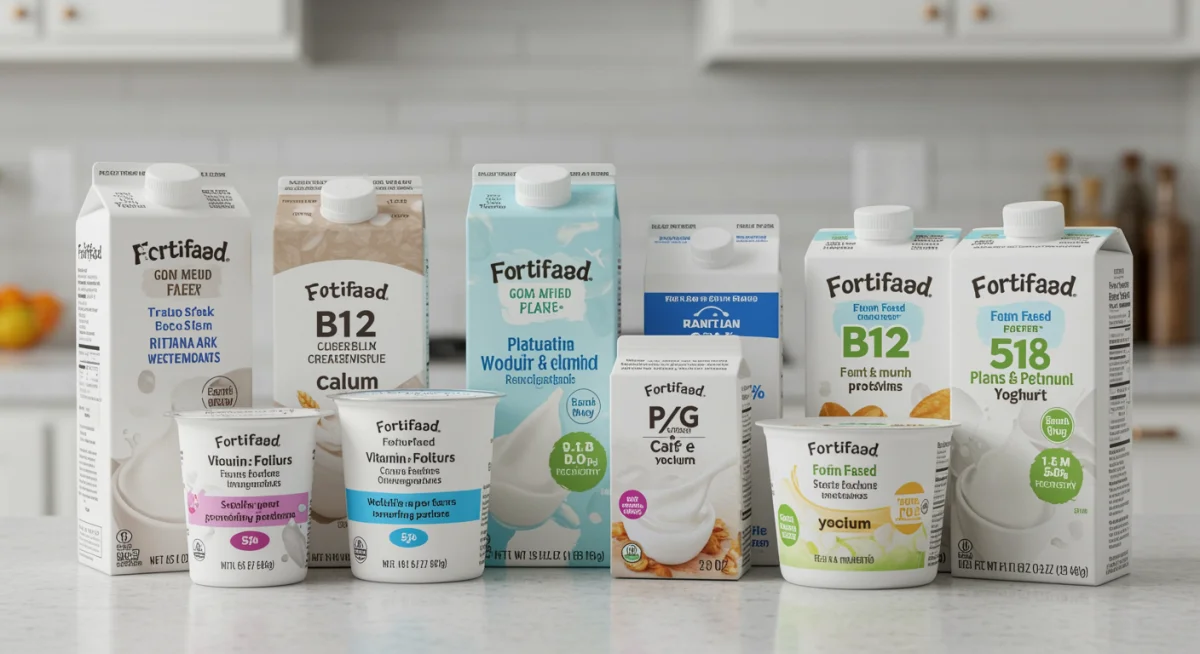
- Fortified Foods: Many plant-based milks, yogurts, cereals, and nutritional yeasts are fortified with B12. Checking labels for B12 content is crucial.
- Supplements: A daily or weekly B12 supplement is often recommended by health professionals for vegans. Cyanocobalamin is a common and effective form.
- Regular Monitoring: Periodic blood tests can help monitor B12 levels, ensuring adequate intake and allowing for adjustments to supplementation if needed.
Prioritizing B12 intake is not merely about preventing deficiency but about optimizing bodily functions that directly support muscle growth and overall vitality. It’s a foundational nutrient for any plant-based athlete.
Vitamin D: The Overlooked Hormone for Strength and Recovery
Often perceived solely for its role in bone health, vitamin D is, in fact, a crucial hormone that significantly impacts muscle function, strength, and recovery, making it vital for anyone pursuing muscle growth on a plant-based diet. Vitamin D receptors are found in muscle tissue, and adequate levels are associated with increased muscle strength, improved physical performance, and reduced muscle soreness and inflammation post-exercise.
In the US, many individuals, regardless of diet, struggle with vitamin D deficiency due to limited sun exposure, especially during winter months or for those with darker skin tones. For plant-based individuals, dietary sources of vitamin D are also limited, making supplementation or fortified foods even more critical. Its role in calcium absorption further links it to bone integrity, which is foundational for sustained physical activity.
Optimizing Vitamin D Levels
To ensure sufficient vitamin D for muscle health and overall well-being, plant-based individuals need a proactive approach. Sunlight exposure is a natural source, but its effectiveness varies widely.
- Sun Exposure: Aim for 10-30 minutes of direct midday sun exposure several times a week, depending on skin type and location. However, this is often insufficient, especially in northern latitudes or for those who work indoors.
- Fortified Foods: Many plant-based milks, orange juice, and cereals are fortified with vitamin D. Look for vitamin D2 (ergocalciferol) or D3 (cholecalciferol) from lichen, which is suitable for vegans.
- Supplementation: A vitamin D supplement is highly recommended, especially during months with less sunlight. Regular blood tests can help determine the appropriate dosage.
Maintaining optimal vitamin D levels is more than just a health recommendation; it’s a performance enhancer. For plant-based individuals striving for muscle growth, ensuring adequate vitamin D intake is a key strategy for maximizing strength, aiding recovery, and supporting overall physiological function.
Iron and Zinc: Essential Minerals for Energy and Anabolism
Iron and zinc are two indispensable minerals for plant-based athletes focused on muscle growth, yet they are frequently overlooked or inadequately consumed. Both play pivotal roles in energy metabolism, oxygen transport, immune function, and protein synthesis – all directly contributing to athletic performance and the body’s ability to build and repair muscle tissue. Iron is critical for hemoglobin production, which carries oxygen to muscles, while zinc is involved in numerous enzymatic reactions, including those vital for testosterone production and cellular repair.
Plant-based diets can provide ample iron and zinc, but the bioavailability of these minerals from plant sources can be lower due to compounds like phytates. However, this challenge is easily overcome with smart dietary strategies. Ignoring these minerals can lead to fatigue, reduced strength, and impaired recovery, directly undermining muscle-building efforts.
Maximizing Iron and Zinc Absorption
To ensure sufficient intake and absorption of these vital minerals, plant-based individuals should implement specific dietary practices. These strategies counteract the effects of absorption inhibitors and enhance bioavailability.
- Vitamin C Pairing: Consuming iron-rich plant foods with sources of vitamin C (e.g., bell peppers, citrus fruits, broccoli) significantly enhances non-heme iron absorption.
- Soaking and Sprouting: Soaking, sprouting, and fermenting legumes, grains, and seeds can reduce phytate content, improving mineral absorption.
- Iron Sources: Lentils, chickpeas, spinach, fortified cereals, tofu, and pumpkin seeds are excellent plant-based iron sources.
- Zinc Sources: Pumpkin seeds, cashews, chickpeas, lentils, oats, and fortified plant milks are good sources of zinc.
By consciously incorporating these strategies, plant-based individuals can effectively meet their iron and zinc needs, ensuring robust energy levels, optimal immune function, and efficient anabolic processes necessary for sustained muscle growth.
Omega-3 Fatty Acids: Beyond Heart Health to Muscle Recovery
While often celebrated for their cardiovascular benefits, omega-3 fatty acids, particularly EPA and DHA, play a significant, yet often underestimated, role in muscle growth and recovery for plant-based athletes. These essential fatty acids possess powerful anti-inflammatory properties that can reduce exercise-induced muscle soreness, speed up recovery times, and potentially enhance muscle protein synthesis. For individuals pushing their bodies to grow, minimizing inflammation and optimizing recovery are paramount.
The primary plant-based omega-3 is alpha-linolenic acid (ALA), found in flaxseeds, chia seeds, and walnuts. While the body can convert ALA to EPA and DHA, this conversion rate is often inefficient. Therefore, direct sources of EPA and DHA become crucial for maximizing their benefits for muscle health, especially for those who consume no fish or fish oil.
Sourcing Vegan EPA and DHA
Given the conversion limitations of ALA, plant-based individuals need to be deliberate in acquiring sufficient EPA and DHA to support muscle recovery and growth effectively. Traditional sources are animal-based, but vegan alternatives are readily available.
- Algal Oil Supplements: Derived directly from marine algae, these supplements provide preformed EPA and DHA, bypassing the need for ALA conversion. This is the most reliable vegan source.
- Flaxseeds, Chia Seeds, and Walnuts: While primarily ALA sources, these foods offer numerous other benefits and contribute to overall healthy fat intake. Grind flaxseeds for better absorption.
- Fortified Foods: Some plant-based milks and yogurts are now fortified with algal DHA, offering an additional dietary source.
Incorporating adequate omega-3s, particularly EPA and DHA from algal oil, is a strategic move for plant-based individuals seeking to optimize their recovery, reduce inflammation, and ultimately support more consistent and effective muscle growth. It’s a nutrient that extends its benefits far beyond just heart health.
Hydration and Electrolytes: The Unsung Heroes of Performance
Often overshadowed by macronutrient discussions, proper hydration and electrolyte balance are fundamental, yet frequently missed, components for anyone pursuing muscle growth, particularly on a plant-based diet. Water constitutes a significant portion of muscle tissue, and even slight dehydration can lead to decreased strength, endurance, and cognitive function, all of which impair workout performance and recovery. Electrolytes like sodium, potassium, magnesium, and calcium are crucial for nerve impulses, muscle contractions, and fluid balance, directly impacting how muscles perform and recover.
For plant-based individuals, while a diet rich in fruits and vegetables can provide some electrolytes, intense training, especially in the US’s varied climates, necessitates a conscious effort to replenish these vital minerals. Relying solely on plain water during prolonged or intense exercise can dilute existing electrolyte levels, leading to cramps, fatigue, and impaired performance.
Maintaining Optimal Hydration and Electrolyte Balance
A proactive approach to fluid and electrolyte intake is essential to support strenuous training and muscle building. This goes beyond simply drinking water when thirsty.
- Consistent Water Intake: Drink water throughout the day, not just during workouts. Aim for clear urine as an indicator of adequate hydration.
- Electrolyte-Rich Foods: Incorporate potassium-rich foods like bananas, potatoes, spinach, and avocados. Magnesium can be found in leafy greens, nuts, seeds, and legumes. Calcium is abundant in fortified plant milks and leafy greens.
- Electrolyte Supplements: For prolonged or intense training sessions, especially in hot conditions, consider an electrolyte supplement or a sports drink specifically designed for athletes, ensuring it is plant-based if desired.
- Monitor Urine Color: A simple visual check of urine color can serve as a quick guide to hydration status. Light yellow is ideal.
Ensuring optimal hydration and electrolyte balance is an often-underestimated cornerstone of peak athletic performance and efficient muscle recovery. For plant-based individuals, paying close attention to these factors can significantly enhance their muscle growth journey and overall well-being.
| Key Nutrient | Role in Muscle Growth |
|---|---|
| Vitamin B12 | Essential for red blood cell formation, energy, and neurological function, crucial for sustained performance and recovery. |
| Vitamin D | Impacts muscle strength, physical performance, and reduces exercise-induced inflammation and soreness. |
| Iron & Zinc | Iron for oxygen transport, zinc for enzymatic reactions, testosterone, and cellular repair, both vital for energy and anabolism. |
| Omega-3 Fatty Acids | Reduces muscle soreness, speeds recovery, and potentially enhances muscle protein synthesis through anti-inflammatory effects. |
Frequently Asked Questions About Plant-Based Muscle Building
Absolutely. Many athletes successfully build significant muscle on plant-based diets. The key is strategic meal planning to ensure adequate protein intake, focusing on a variety of plant protein sources to get all essential amino acids, and paying close attention to crucial micronutrients like B12, D, iron, zinc, and omega-3s.
Excellent complete plant protein sources include soy products (tofu, tempeh, edamame), quinoa, buckwheat, and hemp seeds. Combining different plant proteins throughout the day, such as rice and beans, also ensures a complete amino acid profile necessary for muscle protein synthesis.