
Anúncios
Nutrition Tips for Better Energy: Foods That Support Focus and Daily Productivity recommend balanced meals with complex carbs, lean protein, healthy fats, regular hydration, timed protein-rich snacks and moderate caffeine to stabilize blood sugar, improve attention and sustain productive energy throughout the day.
Nutrition Tips for Better Energy: Foods That Support Focus and Daily Productivity can change how your day feels — have you noticed an afternoon slump? Here I share simple food swaps, snack timing and real examples to help you stay alert without relying on quick fixes.
How foods influence energy, focus and mood
Nutrition Tips for Better Energy show how food shapes your energy, focus and mood all day.
Small choices at meals and snacks can lift alertness, steady emotion and cut afternoon slumps.
Anúncios
How macronutrients affect focus
Carbs, protein and fats each play a role. Simple carbs give quick fuel but fade fast, while protein and fat help sustain attention.
- Complex carbohydrates: whole grains, oats and vegetables keep blood sugar steady.
- Lean protein: eggs, fish and legumes support alertness and repair.
- Healthy fats: avocado, nuts and olive oil feed the brain for lasting focus.
Blood sugar swings often cause energy crashes and mood dips. Pairing carbs with protein or fat slows spikes and keeps you steady.
Hydration affects concentration too; sip water throughout the day and include water-rich foods like cucumber and berries.
Anúncios
Key vitamins and minerals
Micronutrients help brain signals, mood and stamina. Small deficits can make you feel foggy or tired.
- B vitamins: found in whole grains, leafy greens and eggs; they aid energy production and neurotransmitter balance.
- Iron: supports oxygen transport—low iron can lead to fatigue; include lean meat, beans or fortified cereals.
- Magnesium and omega-3s: nuts, seeds and fatty fish support calm focus and stress resilience.
Meal timing matters: a balanced breakfast, a mid-morning snack and a light lunch can keep focus steady. Choose snacks like yogurt with berries, apple with nut butter, or a small handful of nuts.
Small, consistent changes—swap refined carbs for whole foods, add a protein source, drink water—can make a big difference in how you feel.
Key nutrients and supplements that support alertness
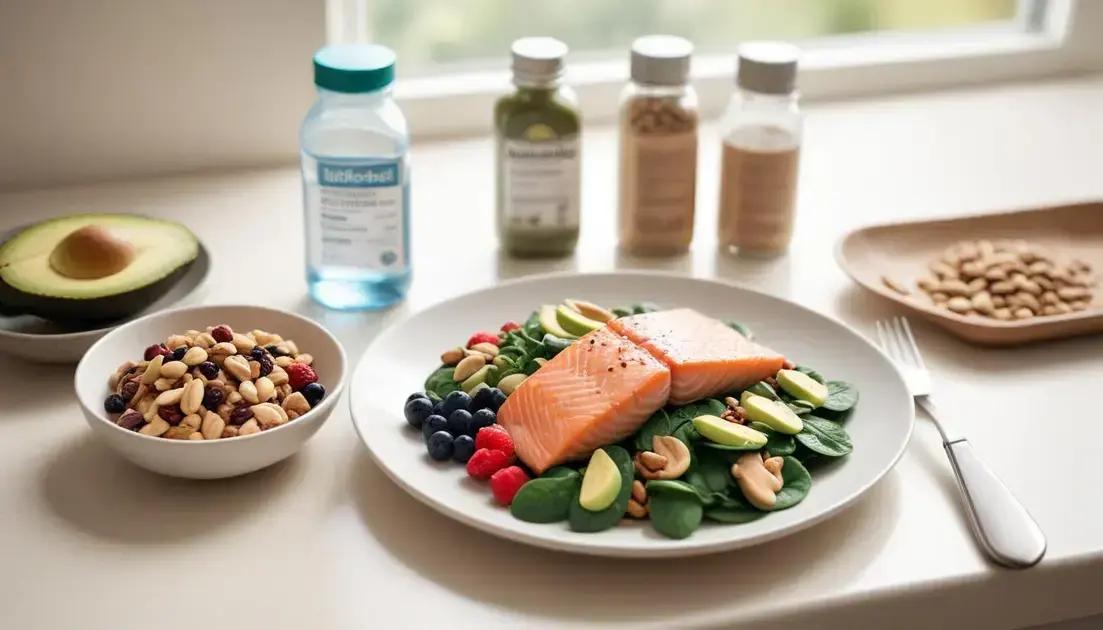
Nutrition Tips for Better Energy show that small nutrient changes can boost alertness. This section highlights vitamins, minerals and safe supplements that support clear thinking.
Knowing what to eat and when to supplement helps you stay focused without extreme measures.
Key vitamins and how they help
B vitamins (B6, B12, folate) help turn food into usable energy and support brain signals. Low levels can feel like brain fog.
- Vitamin B12: found in eggs, dairy and fish; important for focus and mood.
- Folate: leafy greens and beans; supports healthy brain function.
- Vitamin D: linked to mood and energy; get from sun, fatty fish or supplements if low.
Minerals and fats that matter
Iron carries oxygen in the blood; low iron often causes tiredness and trouble concentrating. Combine iron-rich foods with vitamin C to improve absorption.
Magnesium helps relax the nervous system and supports energy pathways. Nuts, seeds and whole grains are good sources.
- Omega-3 fatty acids: fatty fish and flaxseed support brain cells and steady focus.
- Zinc: involved in neurotransmitter activity; found in meat, legumes and seeds.
When meals include these nutrients, you build a steady base for attention and mood.
Supplements that can support alertness
Certain supplements may help when diet alone is not enough. Use them carefully and look for quality brands.
- L-theanine: often paired with caffeine to smooth focus without jitters.
- Caffeine: a short-term alertness aid; best in moderate amounts and timed early in the day.
- Fish oil (EPA/DHA): supports cognitive clarity over time, not an instant fix.
Supplements can assist, but they work best with balanced meals, good sleep and hydration. Avoid high doses unless advised by a clinician.
Simple habits make a difference: eat whole foods, include a protein or healthy fat with carbs, and check nutrient levels if you feel unusually tired or unfocused.
Overall, focus on a mix of vitamins, minerals and sensible supplements to support steady energy and clearer thinking throughout the day.
Meal timing, snacks and caffeine: strategies that work
Nutrition Tips for Better Energy include smart meal timing, snack choices and caffeine habits that keep you alert. Small shifts in when and what you eat can reduce crashes and improve focus.
Try simple routines that fit your day instead of strict rules.
When to eat for steady energy
Aim for a balanced breakfast within an hour of waking. A steady start sets the tone for focus.
- Eat a mix of carbs, protein and fat at each meal to stabilize blood sugar.
- Space meals every 3–4 hours to avoid long energy dips.
- Keep portions moderate to prevent post-meal sleepiness.
Mid-morning and mid-afternoon windows are key times to refuel. A planned snack can stop an energy slide before it starts.
Smart snack choices
Choose snacks that pair protein with fiber or healthy fat. This keeps energy steady and sustains focus.
- Greek yogurt with berries and seeds for protein and antioxidants.
- Apple slices with nut butter for fiber plus healthy fat.
- A small handful of nuts and a piece of fruit for quick, lasting fuel.
Keep snacks portable and portioned. Avoid sugary treats that spike then crash your energy.
Hydration matters too. Drinking water between meals helps concentration and reduces false hunger cues.
Caffeine: timing, dose and pairing
Caffeine can boost alertness but works best when used with care. Time it to match your most demanding tasks.
- Consume caffeine in the morning or early afternoon to avoid sleep disruption.
- Limit servings to a moderate amount to prevent jitters and crashes.
- Pair caffeine with L-theanine or a small protein snack to smooth focus and reduce anxiety.
If you rely on caffeine daily, try one low-caffeine day per week to keep sensitivity in check. Note how caffeine affects your sleep and adjust timing.
Build simple habits: plan meals, pack balanced snacks, and set a caffeine cutoff. These small steps support steady energy and clearer thinking.
Use meal timing, thoughtful snacks and sensible caffeine habits together to reduce slumps and keep productivity consistent.
Practical meal and snack ideas for busy schedules

Nutrition Tips for Better Energy: Foods That Support Focus and Daily Productivity can be simple to apply with a few go-to meals and snacks you prepare ahead. Small habits make busy days less draining.
These ideas focus on quick prep, portable choices and balanced combos to support steady focus.
Quick make-ahead breakfasts
Prep once and grab on the run. Aim for fiber, protein and a bit of healthy fat.
- Overnight jars: oats, chia, milk, a few nuts and frozen berries for morning fuel.
- Mini frittatas or egg muffins with vegetables that reheat fast.
- Smoothie packs: portion fruit, greens and a scoop of protein in freezer bags.
Store portions in clear containers so mornings are fast and consistent.
Mornings set the tone. A ready breakfast helps avoid sugary quick fixes that drop your energy later.
Lunches that travel well
Choose meals that stay fresh without much fuss. Balance is key: grain or veg, protein and a healthy fat.
- Mason jar grain bowls layered with quinoa, roasted veg, beans and a simple dressing.
- Wraps with lean protein, leafy greens and a spread like hummus or avocado.
- Thermos soups or stews with lentils or chicken for warm, lasting energy.
Pack sauces on the side to keep salads crisp. Use airtight containers that fit in a bag or office fridge.
Rotating a few base recipes keeps variety low-effort: swap grains, swap proteins, change the herbs.
Snack boxes and quick combos
Prepare snack packs that pair carbs with protein or fat to avoid spikes and crashes.
- Veg sticks, a small tub of hummus and a hard-boiled egg for a balanced bite.
- Whole-grain crackers, a few slices of cheese and a small fruit for steady fuel.
- Greek-style cottage or ricotta with sliced pear and a sprinkle of seeds for protein and fiber.
Keep single-serve portions ready to reduce overeating and maintain steady blood sugar.
Choose items that do not need refrigeration all day when you commute, like nut packs, energy bites made with oats and dates, or vacuum-sealed tuna for emergencies.
Label containers with days or simple icons to rotate foods and avoid waste. Use frozen veggies and pre-chopped produce to cut prep time.
Simple seasonings—olive oil, lemon, salt, pepper and a spice mix—transform repeat meals without extra work.
With a short weekly prep session, you can build a small menu of breakfasts, lunches and snacks that travel, reheat or eat cold, keeping your energy and productivity steady during busy days.
Small, consistent food choices and timing can change how you feel all day. Use balanced meals, smart snacks, hydration and mindful caffeine to keep steady energy and clear focus.
FAQ – Nutrition tips for better energy
What are the top foods to improve focus and energy?
Choose complex carbs, lean protein and healthy fats like whole grains, fish, eggs, avocado and nuts to steady blood sugar and support focus.
What are quick snack ideas that won’t cause a crash?
Pair protein with fiber or fat: apple with nut butter, Greek yogurt with berries, or a small handful of nuts and seeds for lasting energy.
How should I use caffeine to boost productivity without hurting sleep?
Use moderate caffeine in the morning or early afternoon, avoid late doses, and consider pairing it with L-theanine or a small protein snack to reduce jitters.
Are supplements necessary and which are safe for alertness?
Supplements can help if diet lacks nutrients: consider B vitamins, vitamin D, omega-3s, or L-theanine. Consult a clinician before starting high doses or if you have health issues.