Expert Tips: 8 Hydration Strategies for 2025 Summer Heat
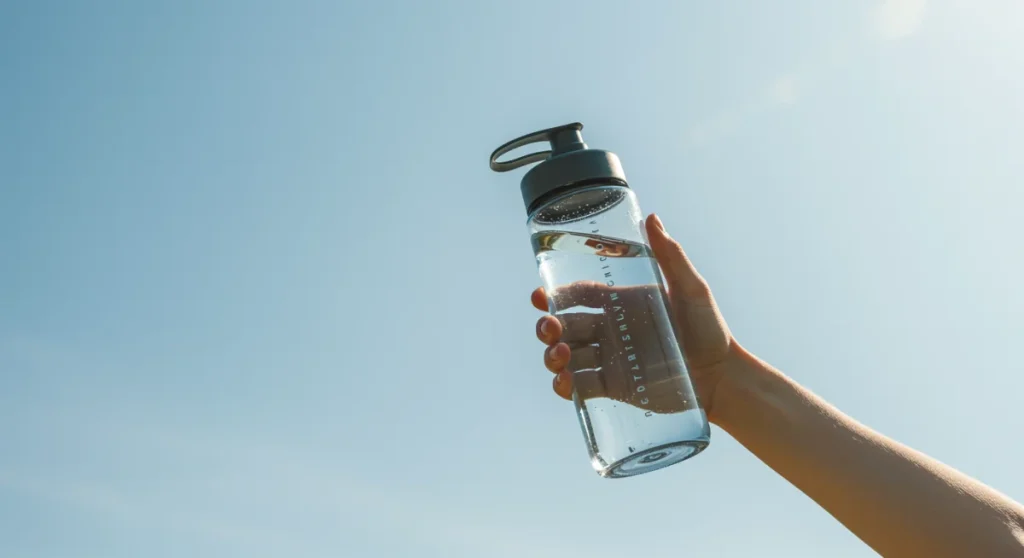
Implementing effective hydration strategies is paramount for maintaining peak performance and safeguarding health during the intense summer heat of 2025, ensuring optimal bodily function.
As temperatures soar and the days lengthen, maintaining optimal hydration becomes more than just a recommendation—it’s a necessity for well-being and performance. This article delves into Expert Tips: 8 Hydration Strategies for Peak Performance During the 2025 Summer Heat, offering practical advice to keep you feeling your best when the mercury rises.
Understanding the critical role of hydration in summer
Hydration is fundamental to virtually every bodily function, and its importance is amplified during periods of intense heat. When summer temperatures climb, our bodies work harder to regulate internal temperature through sweating, a process that can rapidly deplete fluid and electrolyte levels if not properly managed. This section explores why adequate fluid intake is not merely about quenching thirst but about maintaining physiological balance and preventing heat-related illnesses.
Dehydration, even in its mildest forms, can significantly impair cognitive function, reduce physical performance, and lead to fatigue. For those striving for peak performance, whether in athletic endeavors, professional tasks, or simply enjoying summer activities, understanding the mechanisms of fluid loss and replenishment is critical. Proactive hydration strategies are essential to avoid the pitfalls of insufficient intake.
The science behind fluid loss in heat
Our bodies are approximately 60% water, and this delicate balance is constantly challenged by environmental factors. In hot weather, sweat glands become highly active, releasing water and essential minerals like sodium, potassium, and chloride. The rate of sweating can vary dramatically based on activity level, humidity, and individual metabolic rates. Replacing these lost fluids and electrolytes is key to preventing symptoms such as:
- Muscle cramps and weakness
- Dizziness and headache
- Impaired concentration and decision-making
- Increased heart rate and body temperature
Recognizing the early signs of dehydration and having a plan to address them quickly can make a significant difference in preventing more severe conditions like heat exhaustion or heatstroke. Preparing for the heat before it arrives is always better than reacting to its effects.
Ultimately, a comprehensive understanding of hydration’s role empowers us to make informed choices about our fluid intake, supporting overall health and ensuring we can perform optimally throughout the summer. It’s about being prepared and respecting our body’s needs in challenging conditions.
Strategy 1: Proactive fluid intake – don’t wait for thirst
Waiting until you feel thirsty to drink is often too late, especially during the summer months when fluid loss is accelerated. Thirst is a signal that your body is already in a state of mild dehydration. To truly achieve peak performance and maintain optimal health in the heat, a proactive approach to fluid intake is essential. This strategy emphasizes consistent, small sips throughout the day rather than large volumes sporadically.
Establishing a routine for drinking water can be incredibly effective. Integrating fluid intake into daily habits, such as drinking a glass of water upon waking, before meals, and at regular intervals between tasks, helps maintain a steady hydration level. This consistent intake prevents the body from ever reaching a state of significant fluid deficit, ensuring all systems operate efficiently.
Creating a hydration schedule
A personalized hydration schedule can be a powerful tool. Consider your activity level, the intensity of the heat, and your individual sweat rate when planning your intake. For many, aiming for a glass of water every hour or two is a good starting point. Technology can also assist; numerous apps and smart water bottles are designed to remind you to drink throughout the day, transforming a passive habit into an active, managed process.
- Set reminders on your phone or smartwatch.
- Keep a water bottle visible and within easy reach.
- Track your intake to identify patterns and areas for improvement.
- Adjust intake based on physical activity and environmental conditions.
By making hydration a conscious and continuous effort, you effectively safeguard your body against the stresses of summer heat. This proactive stance ensures that your cells, organs, and cognitive functions are adequately supported, allowing you to sustain energy and focus without interruption.
Strategy 2: Electrolyte balance – beyond plain water
While water is the cornerstone of hydration, it’s not always sufficient on its own, especially during prolonged exposure to heat or intense physical activity. Sweating causes a significant loss of electrolytes—essential minerals like sodium, potassium, magnesium, and calcium—which play crucial roles in nerve function, muscle contraction, and maintaining fluid balance. Neglecting electrolyte replenishment can lead to fatigue, muscle cramps, and even more serious health issues.
Understanding when and how to supplement with electrolytes is key. For most daily activities in moderate heat, plain water is perfectly adequate. However, if you’re exercising vigorously for more than an hour, engaging in manual labor outdoors, or experiencing excessive sweating due to high temperatures, incorporating electrolytes becomes vital. This ensures that your body not only rehydrates but also restores its mineral balance, crucial for sustained performance.
Smart electrolyte choices
Not all electrolyte drinks are created equal. Many commercial sports drinks are high in sugar and artificial ingredients, which can be counterproductive. Opt for options that provide a balanced blend of electrolytes without excessive sugars. Natural sources like coconut water, fruit juices (diluted), or homemade electrolyte solutions can be excellent alternatives. You can also find electrolyte tablets or powders to add to water, offering a convenient and customizable way to replenish minerals.
- Choose low-sugar electrolyte beverages.
- Consider natural sources like coconut water.
- Make your own electrolyte drink with water, a pinch of salt, and a squeeze of citrus.
- Balance sodium and potassium intake through diet.
By strategically integrating electrolyte-rich fluids, you can prevent imbalances that might otherwise compromise your performance and well-being. This balanced approach to hydration ensures that every aspect of your body’s fluid and mineral needs is met, supporting resilience against the summer heat.
Strategy 3: Hydrating foods – eating your water
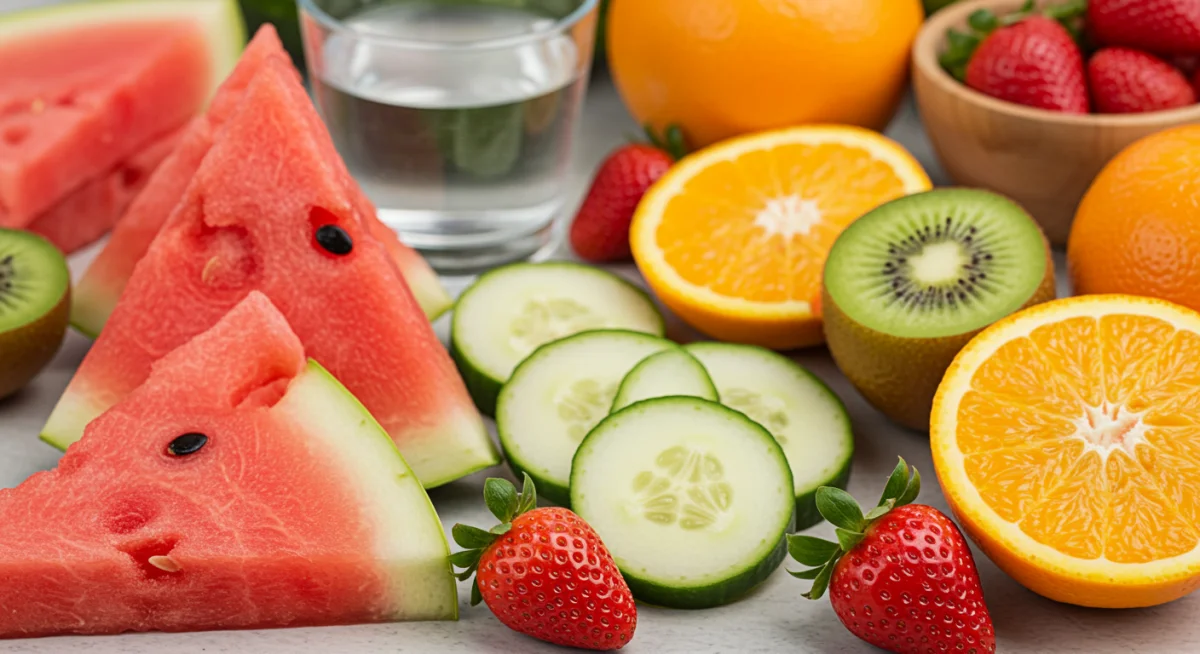
Hydration isn’t solely dependent on what you drink; a significant portion of our daily fluid intake can come from the foods we eat. Incorporating water-rich foods into your diet is a delicious and effective way to boost your overall hydration levels, especially during the summer. These foods not only provide essential fluids but also deliver vitamins, minerals, and fiber, contributing to overall health and well-being.
Many fruits and vegetables boast an impressively high water content, making them ideal choices for summer meals and snacks. Think beyond just a glass of water and consider how your plate can contribute to your hydration goals. This strategy offers a more holistic approach to staying hydrated, integrating fluid intake seamlessly into your dietary habits.
Top hydrating food choices
Some foods are exceptionally rich in water, often exceeding 90% water by weight. Making these staples in your summer diet can significantly impact your hydration status. These foods are also generally low in calories and high in nutrients, offering a double benefit.
- Watermelon: Over 90% water, also rich in antioxidants.
- Cucumber: Nearly 95% water, excellent for salads and snacks.
- Strawberries: About 91% water, packed with vitamin C.
- Oranges: Around 87% water, a good source of potassium.
- Lettuce: Over 95% water, a base for many hydrating meals.
Beyond these, bell peppers, celery, cantaloupe, and spinach are also excellent choices. By prioritizing these hydrating foods, you not only enhance your fluid intake but also enjoy a more varied and nutritious diet, supporting your body’s ability to thrive in the summer heat.
Strategy 4: Avoiding dehydrating beverages
While the focus is often on what to drink for hydration, it’s equally important to be mindful of beverages that can actually contribute to dehydration. Some drinks, despite containing fluid, can have a diuretic effect or lead to increased fluid loss, counteracting your efforts to stay optimally hydrated. Understanding which beverages to limit or avoid, especially during the summer, is a critical component of an effective hydration strategy.
Common culprits include sugary sodas, excessive caffeine, and alcohol. These drinks can interfere with your body’s ability to retain water and can lead to a net fluid loss. During hot weather, when your body is already working hard to regulate temperature, consuming these dehydrating beverages can exacerbate the risk of heat-related issues and diminish your performance.
The impact of certain drinks
Caffeine, found in coffee, tea, and many energy drinks, is a mild diuretic, meaning it can increase urine production and potentially lead to fluid loss. While moderate consumption might not be problematic for everyone, excessive intake, especially without compensatory water intake, can be detrimental. Alcohol also acts as a diuretic, further compounding dehydration risks and impairing judgment, which can be dangerous in extreme heat.
- Sugary sodas: High sugar content can draw water from cells.
- Excessive caffeine: Acts as a diuretic, increasing fluid excretion.
- Alcohol: Known diuretic, leading to significant fluid loss.
- Sweetened fruit juices: Often contain high sugar, similar to sodas.
Opting for water, herbal teas, or naturally flavored seltzers instead of these dehydrating options is a simple yet powerful way to support your hydration goals. Making conscious choices about your beverage consumption can significantly enhance your body’s ability to remain hydrated and perform optimally throughout the summer season.
Strategy 5: Monitoring hydration status effectively
To ensure your hydration strategies are working, it’s crucial to monitor your hydration status effectively. Relying solely on thirst can be misleading, as it’s often an indicator that dehydration has already begun. Several simple yet reliable methods can help you gauge your fluid levels and make necessary adjustments to your intake. This proactive monitoring ensures you stay ahead of dehydration and maintain peak performance.
Regularly checking your hydration status empowers you to fine-tune your fluid intake based on your individual needs, activity levels, and environmental conditions. This personalized approach is far more effective than a one-size-fits-all recommendation and is key to sustained well-being during the summer heat.
Practical monitoring techniques
One of the easiest and most accessible ways to monitor hydration is by observing your urine color. Pale yellow urine, similar to lemonade, generally indicates good hydration. Darker urine, resembling apple juice, suggests you need to increase your fluid intake. This visual cue can be a quick daily check.
- Urine color: Aim for pale yellow; darker indicates dehydration.
- Frequency of urination: Regular bathroom trips (every 2-4 hours) usually signify adequate intake.
- Body weight changes: Significant drops in weight over a short period, especially after exercise, can indicate fluid loss.
- Skin turgor test: Gently pinch the skin on the back of your hand; if it returns quickly, you’re likely hydrated.
By integrating these monitoring techniques into your routine, you gain valuable insights into your body’s fluid needs. This informed approach allows you to make timely adjustments to your hydration plan, ensuring that you remain optimally hydrated and ready to tackle the challenges of the 2025 summer heat.
Strategy 6: Pre- and post-activity hydration protocols
For individuals engaging in physical activity, particularly during the summer, specific hydration protocols before and after exercise are non-negotiable for peak performance and rapid recovery. Merely drinking water during an activity is often insufficient to counteract the significant fluid and electrolyte losses that occur. A structured approach to pre- and post-activity hydration sets the foundation for success and minimizes the risk of heat-related stress.
Pre-hydrating ensures that your body starts the activity in an optimal fluid state, providing a buffer against inevitable fluid loss. Post-activity rehydration focuses on replacing what was lost, facilitating recovery, and preparing the body for subsequent efforts. This two-pronged strategy is essential for athletes and active individuals to maintain consistency and avoid performance plateaus.
Optimizing fluid timing
Before activity, aim to consume 16-20 ounces of water or an electrolyte-rich beverage about 2-3 hours beforehand, followed by another 8-10 ounces 20-30 minutes before starting. This gradual intake allows your body to absorb fluids effectively without causing discomfort. During activity, sip fluids regularly, aiming for 4-8 ounces every 15-20 minutes, adjusting for intensity and heat.
- Pre-activity: Hydrate hours before, then again shortly before starting.
- During activity: Small, frequent sips to maintain fluid levels.
- Post-activity: Replenish 125-150% of fluids lost (based on weight change).
- Electrolyte focus: Emphasize electrolyte-containing drinks for post-activity recovery.
After activity, the goal is to replace all fluids and electrolytes lost. Weighing yourself before and after exercise can give you a clear indication of fluid loss; for every pound lost, aim to drink 16-24 ounces of fluid. Incorporating electrolyte beverages or foods rich in sodium and potassium will further accelerate recovery, ensuring your body is primed for the next challenge.
| Key Hydration Strategy | Brief Description |
|---|---|
| Proactive Intake | Drink consistently throughout the day, don’t wait for thirst to signal dehydration. |
| Electrolyte Balance | Replenish essential minerals lost through sweat, especially during intense activity. |
| Hydrating Foods | Incorporate water-rich fruits and vegetables into your daily diet for added fluid. |
| Monitor Status | Use urine color and other cues to gauge hydration and adjust fluid intake as needed. |
Frequently asked questions about summer hydration
▼
While general recommendations suggest around 8 glasses (64 ounces), individual needs vary significantly based on activity level, body weight, and environmental heat. Aim to drink consistently throughout the day, monitoring urine color as a guide for optimal intake.
▼
No, plain water is sufficient for most people during regular daily activities. Sports drinks become beneficial for prolonged, intense physical activity (over an hour) or heavy sweating, as they help replenish lost electrolytes and glucose for energy.
▼
Yes, water-rich fruits and vegetables like watermelon, cucumber, and strawberries contribute significantly to daily fluid intake. While they complement liquid intake, they generally shouldn’t be your sole source of hydration, but they are excellent boosters.
▼
Severe dehydration signs include extreme thirst, infrequent urination, dizziness, confusion, rapid heartbeat, and lightheadedness. If these symptoms occur, seek immediate medical attention. Mild dehydration often presents as fatigue, headache, and decreased urine output.
▼
Both iced and room temperature water hydrate effectively. Iced water can be more appealing and refreshing in hot weather, potentially encouraging greater intake. Some studies suggest cold water is absorbed slightly faster, but the difference is usually negligible for most.
Conclusion
Mastering hydration is an indispensable component of achieving and sustaining peak performance, especially under the demanding conditions of the 2025 summer heat. By integrating these eight expert strategies—proactive intake, electrolyte balance, water-rich foods, avoidance of dehydrating beverages, effective monitoring, and tailored pre/post-activity protocols—you empower your body to function optimally. These practices not only safeguard against heat-related illnesses but also enhance mental clarity, physical endurance, and overall well-being, ensuring a vibrant and productive summer.