Anúncios
Healthy Recipes for Busy Days: Quick and Nutritious Meals for a Balanced Lifestyle provide simple, 20-minute plans, batch-cook tips, pantry staples and budget swaps to create balanced breakfasts, lunches and dinners that save time while delivering protein, whole grains, vegetables and flavor.
Healthy recipes for busy days can feel out of reach when work, errands and family demands stack up. Want meals that cook fast, boost energy and actually taste good? Here you’ll find hands-on recipes, quick swaps and shopping shortcuts to use all week.
Smart meal-prep strategies for hectic weeks
Healthy recipes for busy days start with a simple plan and small habits you can keep. A little prep once a week makes healthy eating feel easy.
These smart steps cut decision time and help you reach balanced meals without extra stress.
Anúncios
Plan with themes and time blocks
Pick themes like grain bowls, quick stir-fries, or sheet-pan dinners to narrow choices. Block 30–60 minutes on one day for shopping and prep.
Batch cook and portion
Cook staples in bulk, then portion for the week to save morning and evening minutes.
- Batch cooking: make a pot of rice, quinoa, or beans to use in several meals.
- Cook proteins (chicken, tofu, or beans) and cool before storing in clear containers.
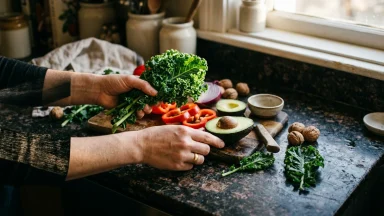
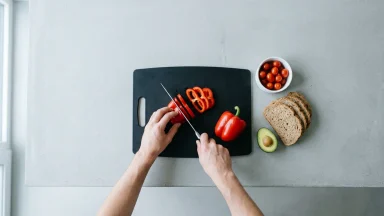
- Prep veggies: chop raw for salads and steam or roast some for warm dishes.
- Use portioned containers for grab-and-go lunches and balanced dinners.
Keep a short list of go-to recipes you can build from those staples. For example, roasted veggies + grain + protein becomes a bowl or a wrap in seconds.
Anúncios
Swap tasks: while the oven roasts, wash and chop salad greens or pre-make a dressing. Small overlaps save time and keep the kitchen tidy.
Use tools and time-saving swaps
Invest in simple tools: a sharp chef’s knife, airtight containers, a rice cooker or pressure cooker. They speed work and cut cleanup.
Choose smart swaps like pre-washed greens, frozen chopped veggies, or canned beans for fast, nutritious meals.
Keep spices and a few sauces on hand to transform base ingredients into varied dishes all week.
Organize the fridge so ready-to-eat items sit at eye level. Use transparent containers so you see what’s available and waste less food.
When reheating, add a splash of water to steamed dishes to keep them moist, or re-crisp roasted items in a hot oven for a few minutes.
For mornings, make overnight oats or smoothie packs that blend quickly. For dinner, keep one-pan recipes that require minimal dishes.
Meal prep is about habits, not perfect planning. Start small: one batch-cooked item or one prepped salad can change your week.
Balanced 20-minute recipes: breakfast, lunch, dinner
Healthy recipes for busy days can be ready in 20 minutes without giving up flavor or nutrition. Small habits and simple combos make quick meals possible.
Use staples, smart swaps, and a short plan to build balanced breakfast, lunch and dinner in minutes.
Quick balanced breakfasts
Aim for protein, whole grains and fruit to start the day strong. A little prep at night saves morning minutes.
- Overnight oats with Greek yogurt, berries and a sprinkle of nuts — mix before bed for an instant breakfast.
- Veggie scramble with spinach and cherry tomatoes — one pan, five minutes, steady protein.
- Smoothie packs of frozen fruit, spinach and a scoop of protein powder — blend and go.
- Toast with mashed avocado and a poached egg makes a balanced plate in under 10 minutes.
Keep toppings like seeds, nut butter and dried fruit on hand to vary flavors. Small swaps keep breakfasts interesting without extra work.
Lunch ideas that come together fast
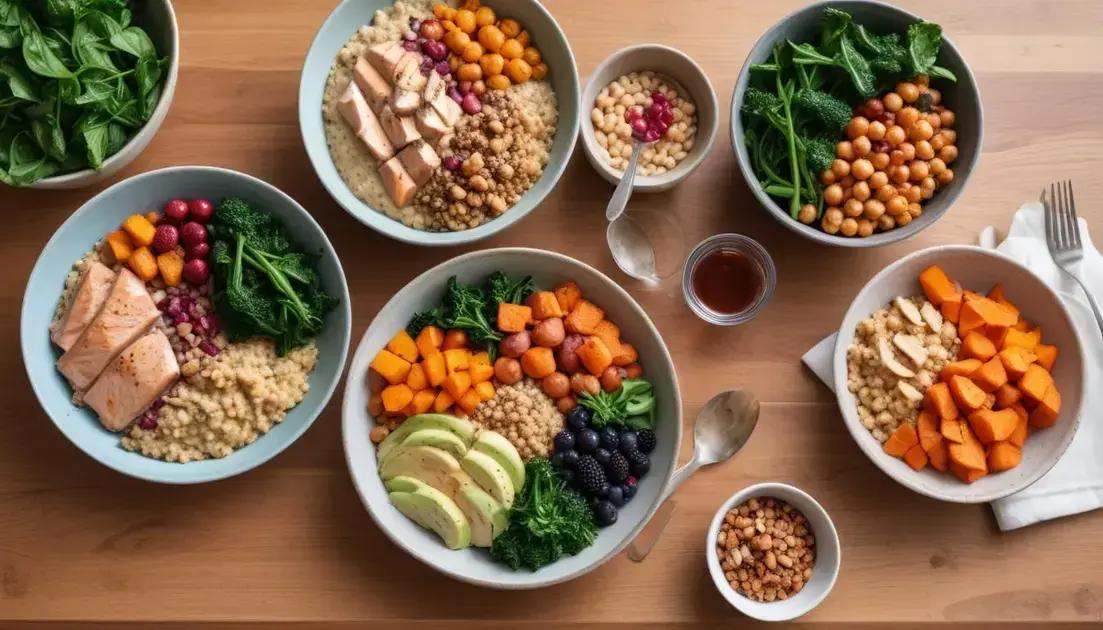
Build lunches around a grain, a lean protein and at least one vegetable. Grain bowls are a flexible template you can change daily.
Use pre-cooked grains, canned beans, or rotisserie chicken to cut time. Mix raw greens with roasted veggies for texture contrast.
- Bowl: quinoa + roasted veggies + chickpeas + tahini drizzle.
- Wrap: whole-wheat tortilla + hummus + salad mix + sliced turkey or tofu.
- Salad jar: layered salad with dressing at the bottom to stay fresh all week.
Prep a simple dressing and keep it in the fridge. A bright dressing turns basic ingredients into a satisfying meal.
Simple 20-minute dinners
One-pan meals and quick sautés minimize dishes and maximize flavor. Use high heat and small pieces to speed cooking.
Focus on a fast-cooking carb, a protein, and a veggie you can stir or roast quickly.
- Veggie stir-fry with tofu or shrimp, snap peas and a soy-ginger sauce.
- Whole-wheat pasta tossed with cherry tomatoes, spinach and white beans for a fiber-rich plate.
- Sheet-pan fish with broccoli and thin-sliced sweet potato — roast at high heat for 15–20 minutes.
Use frozen vegetables and pre-cooked grains if you need to shave minutes. Reheat smart: a hot oven re-crisps roasted items better than a microwave.
Rotate sauces and spices to keep similar ingredients tasting new. A different herb or dressing can change the whole meal.
With a few 20-minute recipes and simple prep habits, eating well on busy days becomes routine. Start with one easy breakfast, lunch and dinner, then expand a personal rotation that saves time and keeps meals balanced.
Grocery lists, pantry staples and time-saving swaps
Healthy recipes for busy days become easier when your pantry and grocery list are set up to help you. A few staples and swaps cut prep time and keep meals balanced.
These tips focus on items that store well and mix into many quick recipes.
Essential pantry staples
Keep versatile ingredients that form the base of many meals. They save time and reduce the number of items you buy each week.
- Whole grains: brown rice, quinoa, and quick-cooking oats for fast bases.
- Canned goods: canned beans, tomatoes, and tuna for quick protein and flavor.
- Healthy fats: olive oil, nut butter, and shelf-stable seeds for dressing and energy.
- Spices and condiments: salt, pepper, garlic powder, soy sauce and a bright vinegar or mustard.
With these staples you can build bowls, sandwiches, soups, and pasta dishes in under 20 minutes. Storing grains and cans in clear jars helps you see stock at a glance.
Time-saving swaps to keep on hand
Small swaps keep meals fast without losing nutrition. Choose items that cut prep or speed cooking.
- Pre-washed salad greens and bagged slaws to skip washing and chopping.
- Frozen vegetables and fruit for quick cooking and no waste.
- Canned beans and rotisserie chicken for instant protein.
- Pre-cooked grains or quick-cook grains to slash cooking time.
These swaps let you toss together a balanced plate: grain, protein and veg, with a simple sauce or dressing.
Make your grocery list by grouping items by store section. That saves walking time and helps you stick to the plan. Note quantities so you avoid extra trips.
Smart shopping and storage habits
Shop with a core list of multi-use items and add two special ingredients for variety. This keeps meals interesting without overbuying.
- Plan 3 base meals and buy ingredients that work across them.
- Buy in bulk for staples you use often, then portion and freeze.
- Label containers with dates to reduce waste and track freshness.
Store prepped items at eye level for quick access. Freeze single-serve portions so you can reheat balanced meals in minutes.
Combine pantry staples with a few time-saving swaps and a clear grocery list to keep weeknight cooking simple. Over time, these small habits make healthy recipes for busy days the easy default.
Eating well on a budget: tips and sample plans
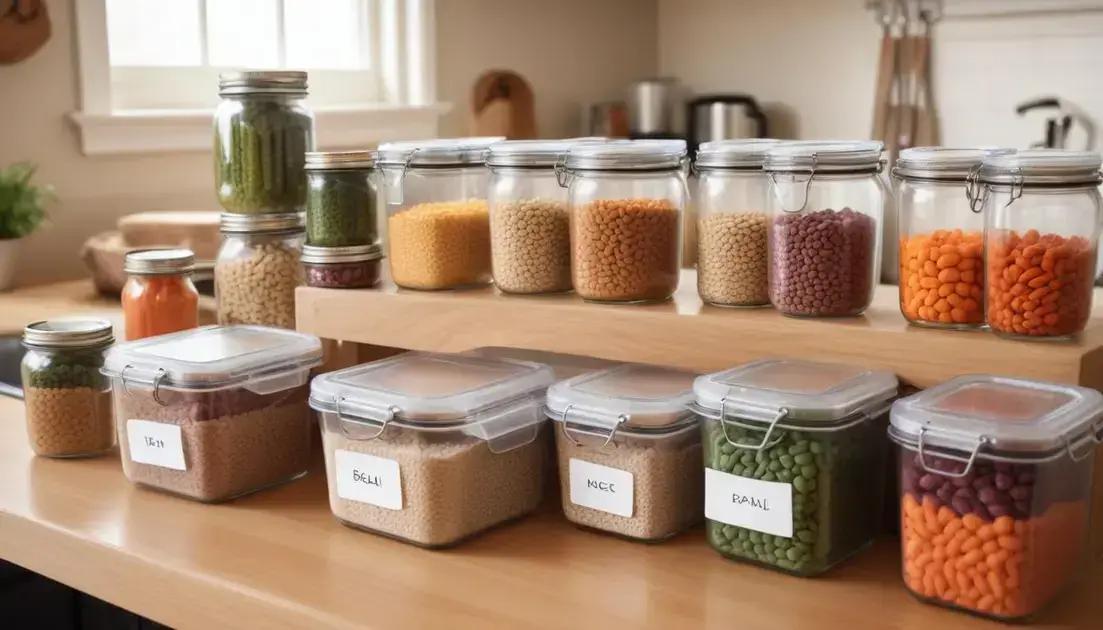
Healthy recipes for busy days can work on a tight budget with a few smart habits. Small changes in shopping and prep save money and time.
Buy what lasts, cook once and eat well all week with simple swaps.
Budget-friendly staples and bulk buys
Choose versatile items that form the base of many meals and cost less per serving.
- Whole grains: oats, brown rice, and pasta bought in bulk stretch across meals.
- Legumes: dried or canned beans and lentils are cheap protein sources.
- Frozen vegetables and fruit: low waste, pre-chopped options speed cooking.
- Canned tomatoes, basic spices, and pantry oils for quick sauces and flavor.
Store bulk items in clear containers and portion them to avoid impulse use. Small upfront work cuts waste.
Cook a large pot of grains or beans once and build many meals from that base. This reduces per-meal cost and prep time.
Sample weekly plan and money-saving swaps
Plan a simple rotation with a few breakfasts, lunches and dinners that reuse ingredients in new ways.
- Breakfasts: overnight oats with frozen berries, yogurt with nuts, or scrambled eggs and toast.
- Lunches: grain bowls with beans and roasted veg, chickpea salad, or a hearty soup made from canned tomatoes and lentils.
- Dinners: one-pan roasted chicken with root vegetables, pasta with spinach and canned tuna, or stir-fry with tofu and frozen veggies.
- Smart swaps: use beans instead of meat, frozen veg instead of fresh, and bulk spices for flavor.
Mix and match the same staples to keep variety without extra cost. A different sauce or herb changes the whole plate.
Shop seasonal produce for lower prices, buy store brands for basics, and compare unit prices to spot the best deals. Keep a short shopping list to avoid impulse buys.
Batch-cook meals and freeze single portions. Reheating a frozen meal is often cheaper and faster than buying takeout on a busy night.
Use leftovers creatively: roast once and turn it into wraps, salads, or grain bowls the next day. This stretches ingredients and keeps meals fresh.
With a few staples, planned swaps and simple batch prep, eating well on a budget becomes practical. These small habits make healthy recipes for busy days affordable and easy to maintain.
Healthy recipes for busy days become simple with small habits: plan themes, batch-cook staples, keep smart pantry items, and use budget swaps. Start with one change this week and build a routine that saves time and keeps meals balanced.
FAQ – Healthy recipes for busy days
How can I start meal prepping with limited time?
Begin with one batch-cooked staple like rice or beans, prep one vegetable, and set aside 30–60 minutes once a week.
Are 20-minute recipes truly balanced?
Yes. Pair a protein, a whole grain and a vegetable in each meal—stir-fries, grain bowls and smoothies can fit this format.
What pantry items should I always have on hand?
Keep whole grains, canned beans, frozen vegetables, olive oil and basic spices to build quick, nutritious meals.
How can I eat healthy on a tight budget?
Buy bulk staples, use frozen produce, plan repeat meals, and freeze portions. Swapping beans for meat lowers costs.