Gluten-Free Cooking: 7 Delicious Recipes for a Healthier 2025
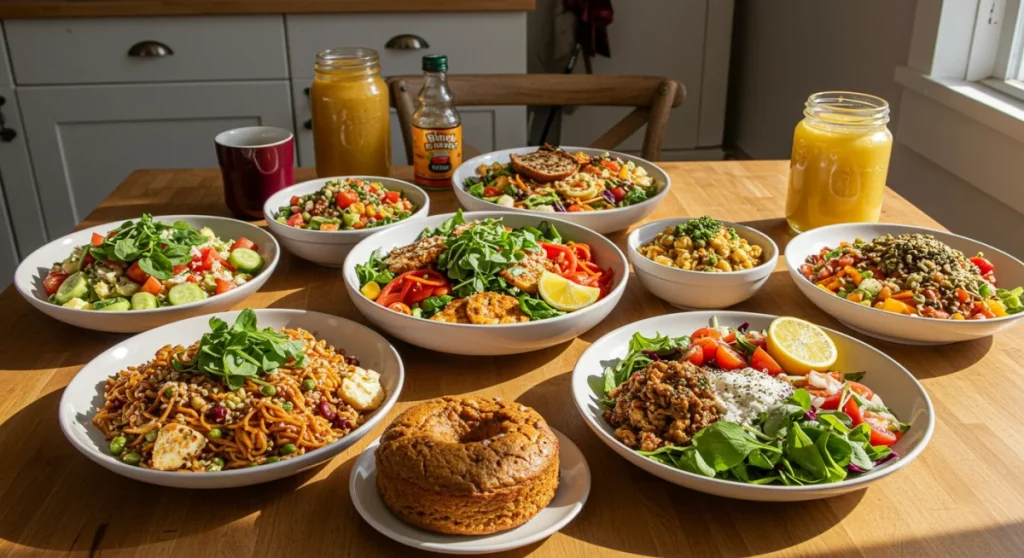
Embracing the latest trends in gluten-free cooking for 2025 involves exploring innovative ingredients and culinary techniques to create delicious, satisfying, and health-conscious meals for a vibrant lifestyle.
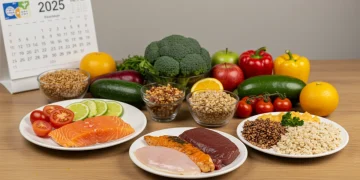
As we step into 2025, the culinary world continues its dynamic evolution, with a spotlight firmly fixed on health, sustainability, and dietary inclusivity. Among these shifts, the latest trends in gluten-free cooking have emerged as a significant force, moving beyond simple allergen avoidance to embrace a diverse and flavorful approach to nutrition. This isn’t just about what’s missing; it’s about what’s gained – a world of innovative ingredients, creative techniques, and incredibly delicious dishes that cater to a healthier lifestyle for everyone, not just those with celiac disease or gluten sensitivity. Prepare to embark on a gastronomic journey that redefines gluten-free cuisine.
The Evolution of Gluten-Free: More Than Just Avoiding Wheat
The perception of gluten-free eating has undergone a remarkable transformation over the past decade. What was once seen as a restrictive and often bland dietary necessity has blossomed into a vibrant culinary movement. In 2025, gluten-free cooking is synonymous with innovation, flavor, and an abundance of nutrient-dense options. This shift is driven by a greater understanding of gut health, increased awareness of food sensitivities, and a growing desire for diverse, plant-forward diets.
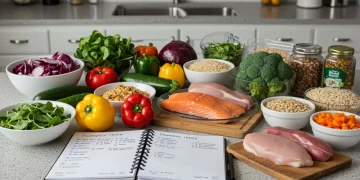
Modern gluten-free approaches emphasize whole, unprocessed ingredients. We’re moving away from highly processed gluten-free substitutes that often lack nutritional value and towards naturally gluten-free grains, legumes, fruits, and vegetables. This focus not only enhances the health benefits of these meals but also unlocks a wider spectrum of flavors and textures, making gluten-free cooking an exciting adventure for home cooks and professional chefs alike.
Beyond the Basics: Innovative Ingredients
The pantry of a gluten-free cook in 2025 looks vastly different from a few years ago. New flours and ancient grains are taking center stage, offering unique nutritional profiles and culinary versatility.
- Cassava Flour: A fantastic grain-free, nut-free, and gluten-free alternative, perfect for tortillas, breads, and thickening sauces.
- Teff: An ancient grain from Ethiopia, rich in iron and calcium, ideal for porridges, flatbreads, and baking.
- Sorghum Flour: A mild-flavored, high-fiber flour that works wonderfully in baked goods, providing a tender crumb.
- Green Banana Flour: Known for its high resistant starch content, which supports gut health, it’s excellent for baking and as a thickener.
These ingredients, alongside classics like quinoa, buckwheat, and millet, provide a robust foundation for creating meals that are both delicious and genuinely nourishing. The emphasis is on utilizing these natural alternatives to build flavor and texture from the ground up, rather than relying on heavily modified ingredients.
The evolution also extends to cooking techniques. Fermentation, once a niche practice, is now integrated into gluten-free kitchens to enhance digestibility and flavor in items like sourdough breads made with gluten-free starters and fermented vegetables. Additionally, creative plant-based protein sources are being seamlessly incorporated, offering complete nutritional profiles without relying on traditional meat products. This holistic approach ensures that gluten-free meals are not just safe, but also incredibly satisfying and beneficial for overall well-being.
Recipe 1: Mediterranean Quinoa Salad with Lemon-Herb Dressing
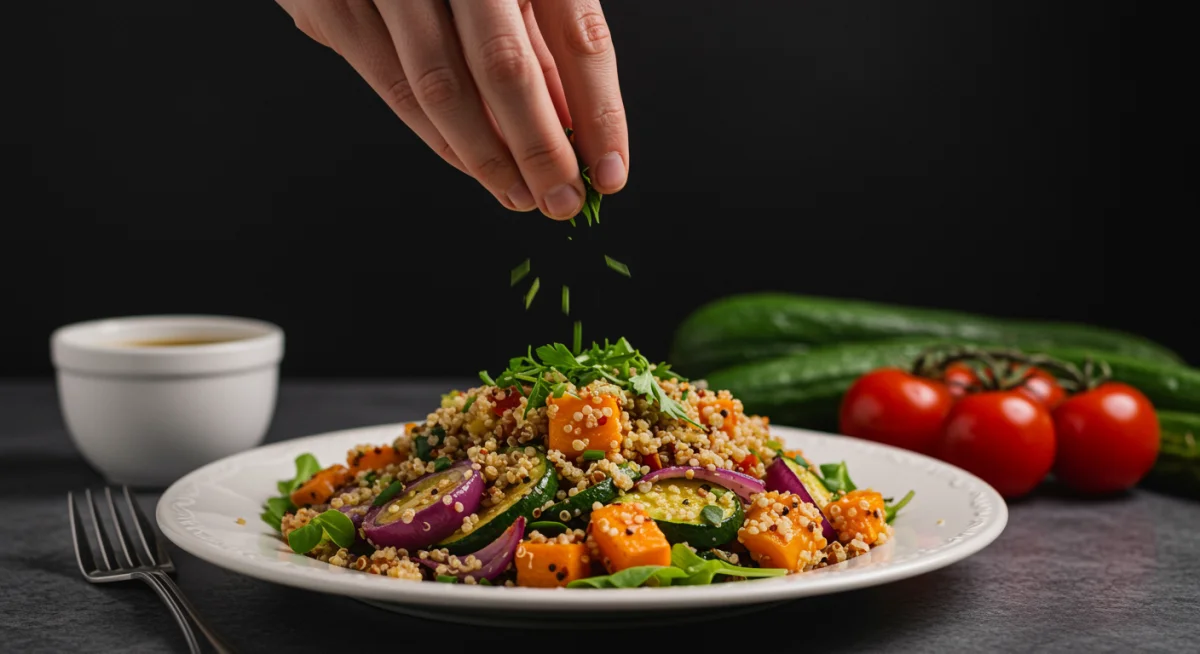
Our first recipe exemplifies the latest trends in gluten-free cooking by combining naturally gluten-free ingredients with vibrant Mediterranean flavors. This salad is not only incredibly healthy but also bursting with freshness and texture, making it perfect for a light lunch or a side dish.
Quinoa, a complete protein, forms the base, providing essential amino acids and fiber. Coupled with an array of colorful vegetables and a zesty dressing, this dish offers a balanced and satisfying meal that’s easy to prepare and highly customizable. It’s an excellent staple for anyone looking to incorporate more plant-based, gluten-free options into their diet.
Ingredients for the Salad:
- 1 cup quinoa, rinsed
- 2 cups vegetable broth or water
- 1 cucumber, diced
- 1 pint cherry tomatoes, halved
- 1/2 red onion, thinly sliced
- 1/2 cup Kalamata olives, pitted and halved
- 1/4 cup fresh parsley, chopped
- 1/4 cup fresh mint, chopped
- 1/2 cup crumbled vegan feta (optional, for dairy-free)
For the Lemon-Herb Dressing:
- 1/4 cup extra virgin olive oil
- 3 tablespoons fresh lemon juice
- 1 clove garlic, minced
- 1 teaspoon dried oregano
- Salt and freshly ground black pepper to taste
Instructions: Cook quinoa according to package directions using vegetable broth. Fluff with a fork and let cool. In a large bowl, combine cooled quinoa with cucumber, cherry tomatoes, red onion, olives, parsley, mint, and vegan feta if using. Whisk together all dressing ingredients in a small bowl. Pour dressing over the salad and toss gently to combine. Serve immediately or chill for flavors to meld. This salad is a testament to how simple, fresh ingredients can create a truly memorable gluten-free experience.
Recipe 2: Spicy Black Bean Burgers with Avocado Cream
Embracing plant-based proteins is a cornerstone of the latest trends in gluten-free cooking, and these spicy black bean burgers are a perfect example. They are hearty, flavorful, and incredibly satisfying, proving that gluten-free can be far from restrictive. The avocado cream adds a cooling, creamy contrast to the burger’s spice.
These burgers are not only gluten-free but also packed with fiber and plant-based protein, making them an excellent choice for a healthy and fulfilling meal. They can be served on gluten-free buns, lettuce wraps, or even crumbled over a salad for a versatile dining experience.
Making the Burgers:
- 1 (15-ounce) can black beans, rinsed and drained
- 1/2 cup gluten-free breadcrumbs (or oat flour for a grain-free option)
- 1/4 cup finely chopped red bell pepper
- 1/4 cup finely chopped onion
- 1 clove garlic, minced
- 1 tablespoon chili powder
- 1 teaspoon cumin
- 1/2 teaspoon smoked paprika
- Pinch of cayenne pepper (adjust to taste)
- 1 flax egg (1 tbsp ground flaxseed + 3 tbsp water, let sit 5 mins)
- Salt and pepper to taste
For the Avocado Cream:
- 1 ripe avocado
- 2 tablespoons lime juice
- 1/4 cup fresh cilantro, chopped
- Pinch of salt
Instructions: In a large bowl, mash the black beans until mostly smooth but still a bit chunky. Stir in gluten-free breadcrumbs, bell pepper, onion, garlic, chili powder, cumin, smoked paprika, cayenne, flax egg, salt, and pepper. Mix well. Form into four patties. Heat a lightly oiled skillet over medium heat and cook burgers for 5-7 minutes per side, until browned and heated through. For the avocado cream, combine all ingredients in a food processor or blender and blend until smooth. Serve burgers with avocado cream and your favorite gluten-free toppings. These burgers are a testament to how flavorful and exciting gluten-free, plant-based meals can be.
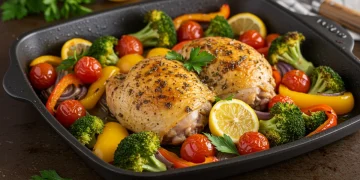
Recipe 3: Sheet Pan Lemon Herb Chicken and Roasted Vegetables
Convenience and minimal cleanup are key elements in the latest trends in gluten-free cooking for busy lifestyles. This sheet pan recipe delivers on both, offering a complete, delicious, and naturally gluten-free meal with minimal effort. The chicken remains juicy while the vegetables caramelize beautifully, creating a symphony of flavors.
This recipe is incredibly versatile; feel free to swap out vegetables based on seasonal availability or personal preference. It’s a fantastic way to ensure a nutritious, home-cooked meal even on the busiest weeknights, proving that healthy eating doesn’t have to be complicated.
Ingredients:
- 1.5 lbs boneless, skinless chicken thighs or breasts, cut into 1-inch pieces
- 1 lb small potatoes, quartered
- 2 cups broccoli florets
- 1 red bell pepper, chopped
- 1 zucchini, chopped
- 3 tablespoons olive oil
- Juice of 1 lemon
- 2 cloves garlic, minced
- 1 tablespoon dried Italian herbs
- Salt and freshly ground black pepper to taste
Instructions: Preheat oven to 400°F (200°C). In a large bowl, combine chicken and all vegetables. In a small bowl, whisk together olive oil, lemon juice, minced garlic, Italian herbs, salt, and pepper. Pour the dressing over the chicken and vegetables, tossing to ensure everything is evenly coated. Spread the mixture in a single layer on a large baking sheet. Roast for 25-30 minutes, or until chicken is cooked through and vegetables are tender and slightly caramelized, flipping halfway through. Serve hot. This dish perfectly illustrates how simple preparations can yield profoundly flavorful and healthy gluten-free results.
Recipe 4: Creamy Tomato and Spinach Pasta with Gluten-Free Penne
Pasta remains a beloved comfort food, and the latest trends in gluten-free cooking ensure that those avoiding gluten don’t have to miss out. This creamy tomato and spinach pasta dish utilizes high-quality gluten-free pasta, delivering a satisfying and flavorful meal that rivals its traditional counterpart.
The key to a great gluten-free pasta dish lies in choosing a good quality pasta that holds its texture, and cooking it just right. This recipe focuses on a rich, dairy-free (if desired) creamy sauce that coats the pasta beautifully, making for a truly indulgent yet healthy experience.
Ingredients:
- 1 lb gluten-free penne or fusilli
- 2 tablespoons olive oil
- 1 small onion, finely chopped
- 3 cloves garlic, minced
- 1 (28-ounce) can crushed tomatoes
- 1/2 cup vegetable broth
- 1/2 cup unsweetened dairy-free milk (almond or cashew work well) or heavy cream
- 4 cups fresh spinach
- 1/4 cup fresh basil, chopped
- Salt and black pepper to taste
- Red pepper flakes (optional, for a kick)
Instructions: Cook gluten-free pasta according to package directions until al dente. Drain and set aside. In a large skillet or pot, heat olive oil over medium heat. Add onion and cook until softened, about 5 minutes. Add garlic and cook for another minute until fragrant. Stir in crushed tomatoes, vegetable broth, and dairy-free milk/cream. Bring to a simmer and cook for 10-15 minutes, allowing the sauce to thicken slightly. Stir in fresh spinach and cook until wilted. Add chopped basil, salt, pepper, and red pepper flakes if using. Toss the cooked gluten-free pasta with the creamy tomato sauce until well coated. Serve immediately. This dish is a perfect example of how gluten-free comfort food can be both delicious and easy to prepare, making it a staple in any healthy kitchen.
Recipe 5: Berry Chia Seed Pudding with Almond Butter Drizzle
Breakfast and snacks are equally important in the exploration of the latest trends in gluten-free cooking. This berry chia seed pudding is a fantastic, make-ahead option that is naturally gluten-free, packed with fiber, omega-3s, and antioxidants. It’s a nourishing and delicious way to start your day or refuel midday.
Chia seeds are a powerhouse ingredient, absorbing liquid to create a pudding-like consistency while delivering a wealth of nutrients. This recipe is easily adaptable with different fruits and toppings, making it a versatile addition to your gluten-free repertoire.
Ingredients:
- 1/4 cup chia seeds
- 1 cup unsweetened almond milk (or other dairy-free milk)
- 1 tablespoon maple syrup or honey (adjust to sweetness preference)
- 1/2 teaspoon vanilla extract
- 1/2 cup mixed berries (fresh or frozen)
- 2 tablespoons almond butter, for drizzling
Instructions: In a jar or container with a lid, combine chia seeds, almond milk, maple syrup/honey, and vanilla extract. Stir well to ensure there are no clumps. Cover and refrigerate for at least 4 hours, or preferably overnight, until the pudding has thickened. Before serving, stir the pudding again. Layer with mixed berries and drizzle generously with almond butter. This simple yet incredibly nutritious pudding highlights how naturally gluten-free ingredients can create satisfying and health-boosting meals, perfectly aligning with the modern approach to gluten-free eating.
Recipe 6: Gluten-Free & Dairy-Free Chocolate Avocado Mousse
Indulging in desserts while adhering to gluten-free guidelines has become easier and tastier with the latest trends in gluten-free cooking. This chocolate avocado mousse is a prime example: rich, creamy, and decadent, yet entirely gluten-free and dairy-free. Avocado provides an incredible texture and healthy fats, making it a guilt-free treat.
This mousse is surprisingly easy to make and requires no baking, making it a quick solution for a sophisticated dessert. It’s perfect for impressing guests or simply treating yourself to something sweet and satisfying, while still maintaining a healthy, gluten-free lifestyle.
Ingredients:
- 2 ripe avocados, pitted and scooped
- 1/2 cup unsweetened cocoa powder
- 1/4 cup maple syrup or agave nectar (adjust to taste)
- 1/4 cup unsweetened dairy-free milk (almond or coconut milk)
- 1 teaspoon vanilla extract
- Pinch of salt
- Optional: fresh berries, shredded coconut, or chopped nuts for garnish
Instructions: In a food processor or high-speed blender, combine the scooped avocado flesh, cocoa powder, maple syrup/agave, dairy-free milk, vanilla extract, and salt. Blend until completely smooth and creamy, scraping down the sides as needed. This may take a few minutes to achieve a perfectly silky texture. Taste and adjust sweetness if desired. Spoon the mousse into individual serving dishes. Chill for at least 30 minutes before serving. Garnish with fresh berries, shredded coconut, or chopped nuts if desired. This dessert truly showcases how innovative gluten-free cooking uses whole, natural ingredients to create surprisingly luxurious results.
Recipe 7: Vibrant Turmeric & Ginger Immune-Boosting Smoothie
Beyond meals, the latest trends in gluten-free cooking also encompass beverages that support overall wellness. This immune-boosting smoothie is packed with anti-inflammatory ingredients and antioxidants, making it a perfect way to nourish your body and stay healthy, especially during colder months or when you need an extra boost.
Turmeric and ginger are renowned for their medicinal properties, and when combined with fruits and a healthy fat source like coconut milk, they create a delicious and potent elixir. This smoothie is naturally gluten-free and dairy-free, catering to a wide range of dietary preferences while delivering maximum nutritional impact.
Ingredients:
- 1 cup unsweetened coconut milk (from a carton)
- 1 banana, fresh or frozen
- 1/2 inch fresh ginger, peeled
- 1/2 inch fresh turmeric, peeled (or 1/2 tsp ground turmeric)
- 1/2 cup frozen mango chunks
- 1 tablespoon chia seeds or flax seeds
- Squeeze of fresh orange or lemon juice (optional, for brightness)
- Pinch of black pepper (enhances turmeric absorption)
Instructions: Combine all ingredients in a high-speed blender. Blend until completely smooth and creamy. If the smoothie is too thick, add a little more coconut milk until desired consistency is reached. Taste and adjust ginger/turmeric levels if desired. Pour into a glass and enjoy immediately. This vibrant smoothie is a testament to the power of naturally gluten-free ingredients to create functional and delicious drinks that actively contribute to a healthier, more vibrant lifestyle, embodying the forward-thinking approach of gluten-free cooking in 2025.
| Key Trend | Brief Description |
|---|---|
| Innovative Ingredients | Utilizing diverse naturally gluten-free flours and ancient grains like cassava, teff, and sorghum. |
| Plant-Forward Focus | Emphasis on vegetables, legumes, and plant-based proteins for nutrition and flavor. |
| Convenience & Simplicity | Recipes designed for easy preparation and minimal cleanup, fitting busy modern lifestyles. |
| Functional Foods | Incorporating ingredients known for health benefits, such as turmeric, ginger, and chia seeds. |
Frequently Asked Questions About Gluten-Free Cooking
Adopting a gluten-free lifestyle primarily benefits individuals with celiac disease or gluten sensitivity by alleviating digestive issues and inflammation. For others, it can lead to increased consumption of whole, unprocessed foods, potentially improving energy levels, gut health, and overall well-being by reducing reliance on refined grains.
To ensure nutritional balance in gluten-free meals, focus on incorporating a wide variety of naturally gluten-free whole foods. This includes diverse fruits, vegetables, lean proteins, healthy fats, and ancient grains like quinoa, buckwheat, and millet. Pay attention to essential nutrients often found in fortified wheat products, such as B vitamins and iron, and seek them from other sources.
A common misconception is that gluten-free automatically means healthy or aids weight loss. While it can be healthier, many processed gluten-free products are high in sugar, fat, and calories, and low in fiber. Another misconception is that everyone benefits from going gluten-free; for those without sensitivity, it may not offer additional health advantages.
Many recipes can be adapted to be gluten-free with simple substitutions. For baking, use a high-quality gluten-free all-purpose flour blend. For thickening sauces, cornstarch or arrowroot powder are excellent alternatives. For pasta dishes, choose gluten-free pasta varieties. Experiment with naturally gluten-free ingredients to maintain flavor and texture.
Reliable gluten-free ingredients and products are widely available in most major supermarkets, health food stores, and online retailers. Look for products clearly labeled ‘gluten-free’ and consider brands specializing in allergen-friendly foods. Farmer’s markets are also great for naturally gluten-free fresh produce and local meats.
Conclusion
The journey through the latest trends in gluten-free cooking for 2025 reveals a culinary landscape rich with innovation, flavor, and health-conscious choices. Far from being a diet of limitations, gluten-free eating has evolved into an exciting exploration of diverse ingredients and creative techniques. The seven recipes presented here are just a glimpse into the delicious possibilities, showcasing how naturally gluten-free components can be transformed into satisfying, nutritious, and incredibly tasty meals. Embracing these trends means not only catering to dietary needs but also elevating your overall lifestyle with vibrant, wholesome food that nourishes both body and soul. As we move forward, the future of gluten-free cooking promises even more exciting developments, making healthy eating accessible and enjoyable for everyone.