Anúncios
Fitness Routine Ideas for Busy Professionals With Limited Free Time: prioritize 10 to 15‑minute micro-workouts, schedule movement into daily routines, use high-impact low-equipment circuits, track short wins and recovery habits to build consistent fitness without lengthy gym sessions.
Fitness routine ideas for busy professionals with limited free time show how tiny, focused sessions can keep you moving even on the craziest days. Curious which mini-workout fits your schedule? Here you’ll find simple routines, realistic scheduling tricks and recovery tips you can try this week.
Micro workouts for 10–15 minute breaks
Fitness Routine Ideas for Busy Professionals With Limited Free Time include short, effective sessions you can do anywhere. Ten to fifteen minutes can boost energy and keep you consistent.
Why micro workouts work
Short sessions cut resistance to starting. They fit between meetings, on a commute break, or during a lunch window. Small wins add up over a week.
Anúncios
Quick routines to try
Choose one routine, set a timer, and focus on quality. Each plan below targets strength, cardio, or mobility in under 15 minutes.
- Full-body circuit (12 minutes): 3 rounds of 40s work / 20s rest — squats, push-ups, plank, jump rope or high knees.
- Tabata boost (8 minutes): 20s hard / 10s rest, 8 rounds — alternating burpees and mountain climbers for max effort.
- Desk-friendly mobility (10 minutes): neck rolls, shoulder openers, hip swings, standing hamstring stretches — move slowly and breathe.
- Strength EMOM (15 minutes): every minute on the minute — 8 kettlebell swings, then 8 reverse lunges on the next minute, repeat.
Keep moves simple. Use bodyweight or one small tool like a kettlebell or resistance band. Focus on form, not speed, to avoid injury.
Fit workouts into a tight schedule
Block specific times in your calendar as non-negotiable breaks. Treat them like short meetings. A consistent slot makes it easier to stick with the plan.
Anúncios
Pair movement with routine tasks: do squats during email checks or calf raises while on calls. Use alarms or apps that prompt movement when you sit too long.
Recovery and progression
- Start with easy versions; add reps or rounds each week.
- Prioritize sleep and quick mobility after sessions to reduce soreness.
- Track short wins: number of sessions per week or total minutes moved.
Small, steady steps build fitness without breaking your day. Micro workouts help you keep energy high and stress low while working long hours.
Key takeaway: consistent 10–15 minute breaks with focused effort are a practical way for busy professionals to stay fit and maintain momentum over time.
Smart scheduling: how to stack movement into your day
Fitness Routine Ideas for Busy Professionals With Limited Free Time start with tiny, planned moves you can trust to happen. Small actions placed in your day add up to real progress.
These tips show how to stack movement into existing tasks and make active breaks part of your routine without wasting time.
Block short sessions like meetings
Put 10–15 minute slots in your calendar labeled as “movement.” Treat them as real appointments you won’t skip. A short block is easier to protect than a vague goal.
Set a specific trigger: right after your morning emails, before lunch, or at the end of the workday. Repeating the same time helps build habit fast.
Use task pairing to stack movement
Pair a movement with a routine task you already do. For example, do calf raises while on a phone call or walk for five minutes after each meeting.
- Morning stack: 5-minute stretch after getting coffee.
- Work block stack: 10-minute walk after every two hours of focused work.
- Evening stack: 15-minute bodyweight circuit before dinner.
Keep the moves simple and repeatable. Choose three go-to exercises and rotate them so you don’t overthink what to do.
Use tools and cues to stay consistent
Set phone reminders, use calendar colors, or place a small exercise tool in sight. Visual cues cut decision fatigue and nudge you into action.
Micro-habits feel easy and build confidence. Start with low effort and increase reps or time as the habit sticks.
Design for real work days
Not every day will be perfect. Aim for consistency, not perfection. If a planned block is missed, add a short movement between the next two tasks.
- Keep workouts under 15 minutes to avoid resistance.
- Swap sitting for standing or pacing during calls.
- Use commute time for extra steps or stair climbs.
Make a one-week experiment: schedule three micro-sessions and track how you feel. Tiny wins build momentum and make movement part of your busy life.
Key idea: stacking movement into existing routines with clear triggers and tiny time blocks makes staying active realistic for busy professionals.
High-impact, low-equipment routines for maximum efficiency
Fitness Routine Ideas for Busy Professionals With Limited Free Time can include short, intense moves that need almost no gear. These routines deliver big results in small windows.
Use focused combos and steady progress to get stronger and fitter without long gym sessions.
Efficient full-body combos
Pick moves that work multiple muscles at once. Compound patterns save time and raise heart rate fast.
Try circuits that mix a pushing move, a pulling or hinge, and a lower-body drive. Keep rest short to boost calorie burn.
Minimal gear, maximum effect
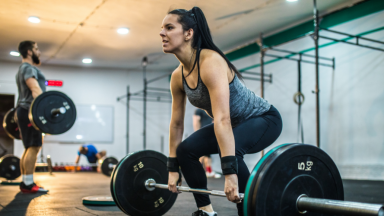
With one kettlebell, a dumbbell, or a resistance band you can do powerful routines. Bodyweight alone also works very well.
- Kettlebell swings — 30–45 seconds work for hip power and cardio.
- Jump squats or split squats — 8–12 reps to target legs and explosiveness.
- Push-up variations — standard, incline, or decline for chest and core.
- Resistance band rows — 12–15 reps for upper-back strength.
Structure sessions in short circuits: 3–4 rounds of 40–50 seconds on, 15–20 seconds off, or an EMOM (every minute on the minute) for 12–16 minutes.
Intensity matters more than fancy moves. Keep form tight and scale reps to maintain quality. If a move is hard, drop to an easier variation rather than rushing.
Sample timed blast
Try a 15-minute plan: 45s swing, 15s rest; 45s push-up, 15s rest; 45s jump squat, 15s rest — repeat 3 times. This hits strength and cardio in a short block.
Adapt tempo: beginners start with 30s work; progress by adding rounds or increasing work time week to week.
Warm up with 3–5 minutes of light movement—walking, leg swings, shoulder circles—then begin. Quick mobility after helps recovery and reduces soreness.
Track progress with simple metrics: rounds completed, total work minutes, or perceived effort (RPE). Small gains each week add up fast.
Key point: choose high-impact, low-equipment moves and short formats (circuits, Tabata, EMOM) to get efficient workouts that fit a busy day.
Consistency hacks: tracking progress, recovery and realistic goals
Fitness Routine Ideas for Busy Professionals With Limited Free Time rely on steady habits, not bursts of effort. Small tracking steps and smart recovery keep you moving week after week.
These consistency hacks make it easier to stick with short workouts and see real progress without extra time stress.
Simple tracking methods
Keep tracking low-effort and focused. Pick one or two simple metrics and record them each day.
- Session count: mark each 10–15 minute workout on a calendar.
- Total minutes: add up active minutes at the end of the day.
- Easy metrics: steps, sets completed, or RPE (rate of perceived exertion).
- Weekly check-ins: note one short win and one area to improve.
Use apps, a paper planner, or a sticky note—choose what you will actually use. Consistent logging helps maintain momentum and shows small gains over time.
Recovery habits that fit busy schedules
Recovery is part of training. Short habits help you recover faster and stay consistent with workouts.
Prioritize sleep first; even one extra hour can reduce soreness and improve focus. Add brief mobility sessions after work or between meetings to loosen tight muscles.
- Five-minute stretch routine after a workout or long meeting.
- Foam rolling or self-massage for tight spots, two to three times weekly.
- Hydration cue: drink a glass of water after each session.
Light activity on rest days, like a short walk, speeds recovery without draining energy. Small recovery moves add up and keep you ready for the next micro-workout.
Set realistic, flexible goals
Goals should match your time and energy. Aim for consistency, not perfection.
- Specific: target 3 micro-sessions per week, each 10–15 minutes.
- Measurable: track minutes or sessions completed.
- Adjustable: lower time or reps on busy days instead of skipping.
Break big goals into weekly micro-goals. Celebrate small wins like hitting four sessions in a week. Then slightly raise the bar the next week.
Use accountability to stay on track: share goals with a colleague, use a short challenge with a friend, or set calendar reminders. Small social checks make you more likely to follow through.
Key summary: pick simple tracking rules, build quick recovery habits, and set realistic, flexible goals. These consistency hacks help busy professionals keep steady progress with minimal time.
Short, focused sessions beat rare long workouts. By stacking movement into your day, choosing high-impact, low-equipment moves, and tracking small wins while prioritizing quick recovery, you build steady progress without more time. Start small, stay consistent, and celebrate weekly wins to keep momentum.
FAQ – Fitness routine ideas for busy professionals with limited free time
How long should a micro workout be?
Aim for 10–15 minutes; short, focused sessions done regularly build fitness without taking much time.
What equipment do I need for effective short sessions?
Very little: bodyweight is enough, or add one tool like a kettlebell, dumbbell, or resistance band for variety.
How can I reliably fit movement into a busy day?
Stack movement onto existing routines—after coffee, between meetings, or as 10–15 minute calendar blocks you protect like appointments.
What’s the easiest way to track progress and stay consistent?
Keep tracking simple: count sessions, total minutes, or steps. Log weekly wins and adjust goals gradually to stay motivated.