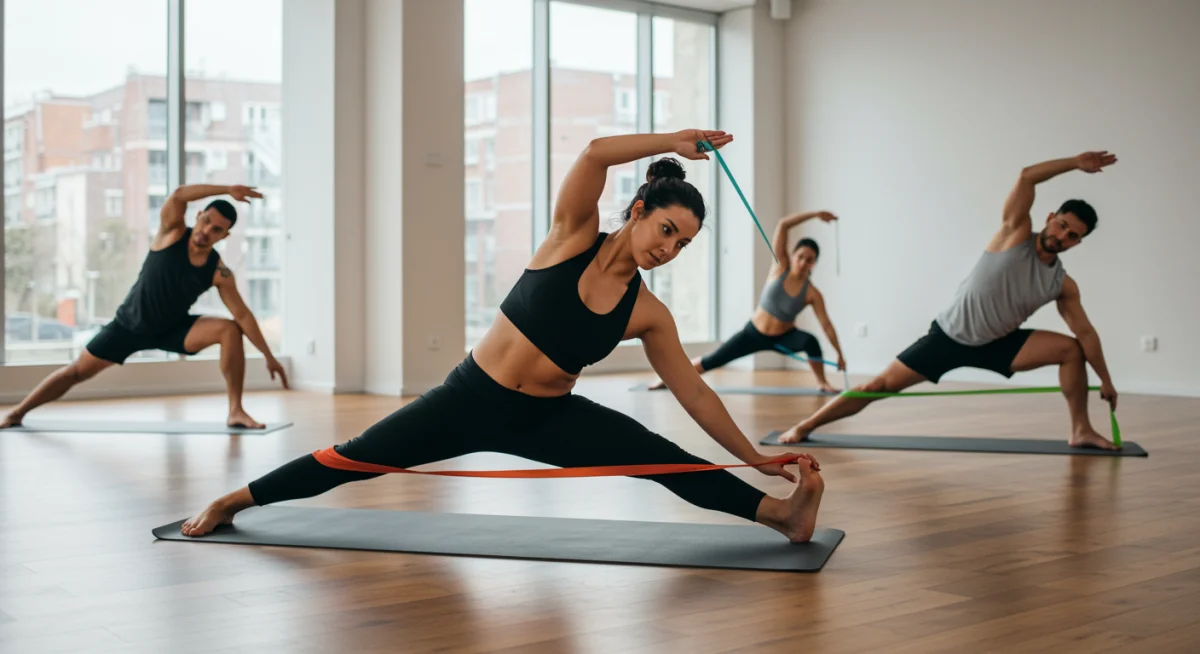
Fitness Guides for Beginners: How to Start Exercising and Stay Consistent in 2026 offers a clear plan with realistic goals, short equipment-free workouts, habit cues, tracking tips and recovery rules, helping beginners build steady progress, avoid injury and maintain long-term consistency.
Fitness Guides for Beginners: How to Start Exercising and Stay Consistent in 2026 offers clear, practical steps to begin moving without overwhelm. Curious how short routines, simple habits and small wins can keep you active week after week?
How to set realistic goals and choose a starter plan
Fitness Guides for Beginners show how to set simple, realistic goals so you actually stick with exercise. Small, clear steps make progress steady and visible.
Use short targets and a plan that fits your schedule, energy, and available equipment to avoid early burnout.
Set goals that are specific and doable
Start with one clear aim: move more, gain strength, or improve energy. Make it measurable and tied to time. For example, walk 20 minutes three times a week.
Keep goals short-term at first. Weekly or monthly targets help you celebrate wins and stay motivated.
Choose a starter plan that fits your life
Select a routine that matches your time, space, and interests.
- Time: pick sessions you can commit to (10–30 minutes).
- Space and gear: bodyweight or one resistance band if space is tight.
- Preference: pick activities you enjoy to boost consistency.
- Progression: plan small increases each week.
Begin with simple habits: a consistent time, a short warm-up, and a clear end point. This reduces decision fatigue and makes the routine repeatable.
Sample 3-day starter plan
Day 1: full-body bodyweight circuit — squats, push-ups on knees, planks. 2–3 rounds of 8–12 reps.
Day 2: active recovery — brisk walk or gentle yoga for 20–30 minutes.
Day 3: mixed cardio and strength — 15 minutes of intervals (walk/jog or fast step) plus resistance-band rows and glute bridges.
Space sessions across the week and keep intensity moderate so you can recover and keep showing up.
Track progress and adjust
- Log sessions and note how you feel after workouts.
- Increase duration or reps slowly each week (5–10%).
- Swap exercises if something hurts or feels boring.
Regular tracking helps you see gains and spot plateaus early. If you miss a week, cut the next week’s load slightly and rebuild.
By setting realistic goals and choosing a simple starter plan you build consistency without overwhelm. Small, steady steps lead to lasting habits and clearer progress over time.
Simple, equipment-free workouts for cardio, strength and mobility
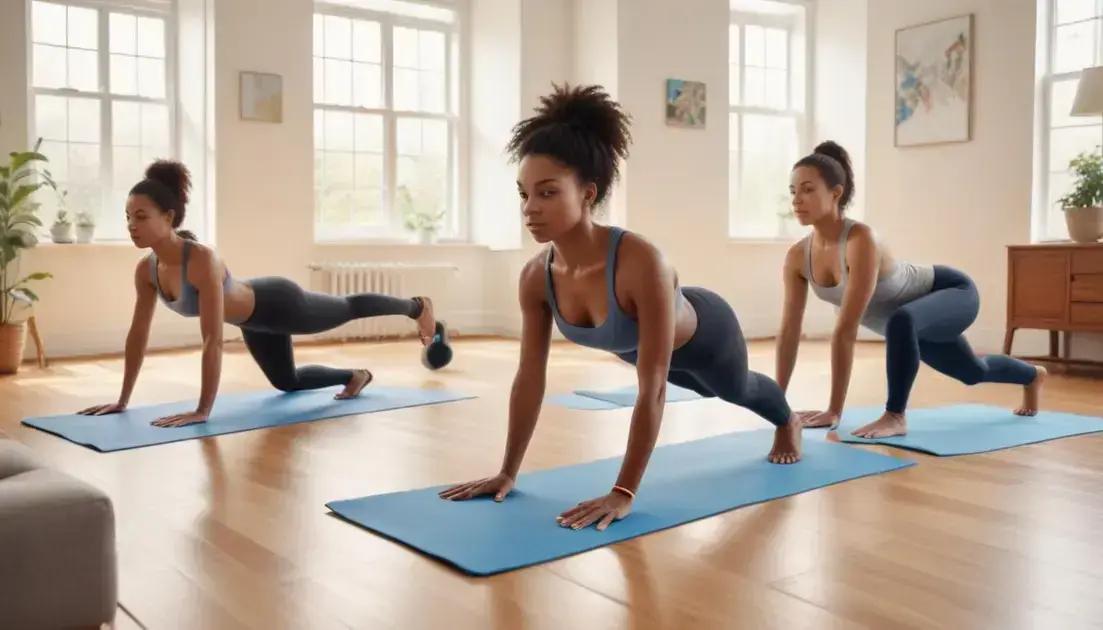
Fitness Guides for Beginners show how simple, equipment-free workouts can boost cardio, strength, and mobility. Small routines fit busy days and build confidence.
These moves need no gym. You can do them at home, in a park, or during a break. Consistency matters more than complexity.
Easy cardio moves to raise your heart rate
Start with low-impact options that protect joints. Aim for short bursts of steady effort to make it doable.
- Marching in place for 2 minutes to warm up.
- Low-impact jumping jacks or side steps for 30–60 seconds.
- Brisk walking or stair stepping for 10–20 minutes.
Bodyweight strength exercises
Use your own body to build muscle. Focus on form and a steady pace. Do fewer reps well rather than many with poor form.
- Squats or chair sits: 8–12 reps to work legs and glutes.
- Push-ups on knees or incline: 6–10 reps for chest and shoulders.
- Glute bridges: 10–15 reps to strengthen hips and lower back.
- Plank holds: 20–40 seconds to improve core strength.
Mix strength moves into short circuits. Example: 2 rounds of 8 squats, 8 push-ups, and a 30-second plank. Rest 60 seconds between rounds.
Keep repetitions and time short at first. Add one extra rep or five more seconds each week to progress safely.
Mobility drills to feel better and move freely
Mobility keeps joints healthy and reduces soreness. Do these after warm-up or at the end of a session.
- Cat-cow stretches for the spine: 6–8 slow reps.
- Hip circles or leg swings to loosen hips.
- World’s greatest stretch for full-body mobility: 5–8 breaths each side.
Short mobility work helps recovery and makes strength moves feel easier. Aim for 5–10 minutes most days.
Sample 15-minute equipment-free routine
Warm-up: march in place 2 minutes, arm circles 30 seconds.
Main set: 3 rounds — 30 seconds squats, 30 seconds incline push-ups, 30 seconds brisk step, 30 seconds rest.
Cooldown: 5 minutes of mobility stretches focusing on hips and spine.
Adjust pace to your level. If a move feels too hard, reduce time or switch to an easier variation.
Track simple wins: total minutes, reps, or how you feel after workouts. Small, steady progress builds confidence and helps you stick with the plan.
By choosing short cardio bursts, basic bodyweight strength, and quick mobility drills, you create a balanced, equipment-free routine that supports lasting habit change.
Build consistency: routines, habit cues and dealing with setbacks
Fitness Guides for Beginners: How to Start Exercising and Stay Consistent in 2026 focuses on small habits that make exercise a regular part of life. Simple routines and clear cues help you keep going.
Build a short, repeatable plan that fits your day and energy, so effort feels normal, not forced.
Design a routine that sticks
Pick a fixed time and a short set of moves you enjoy. Consistency beats intensity at first.
- Choose a daily cue: after breakfast, before work, or right after a walk.
- Commit to a tiny session: 10–20 minutes to start.
- Pair exercise with an existing habit to reduce decision fatigue.
Routines become automatic when they are simple and tied to something you already do. Keep sessions short so skipping feels like the bigger effort.
Use clear habit cues
Visual or physical cues trigger action. Place workout clothes where you see them, set a phone alarm, or lay out a mat the night before.
Reward small wins to reinforce the habit. A quick note in a planner or a 30-second cool-down that feels good can work as a reward.
Practical ways to handle setbacks
- Plan for missed days: do a 5-minute reset instead of quitting completely.
- Reduce guilt: view setbacks as data, not failure.
- Have a fallback: a short walk or mobility set you can do anywhere.
If illness or travel interrupts you, scale down rather than stop. Small, consistent efforts rebuild momentum faster than long breaks.
Track your progress with simple measures: minutes moved, sessions completed, or how you feel after workouts. Seeing small gains fuels motivation and helps you adjust plans.
Use social cues: a workout buddy, a class, or a friendly check-in can boost accountability. But keep personal goals flexible—your routine should support your life, not compete with it.
In short, build consistency by creating a tiny, repeatable routine, using clear cues and rewards, and planning simple responses to setbacks. These steps make sticking with exercise far more likely over time.
Track progress, recovery strategies and basic injury prevention
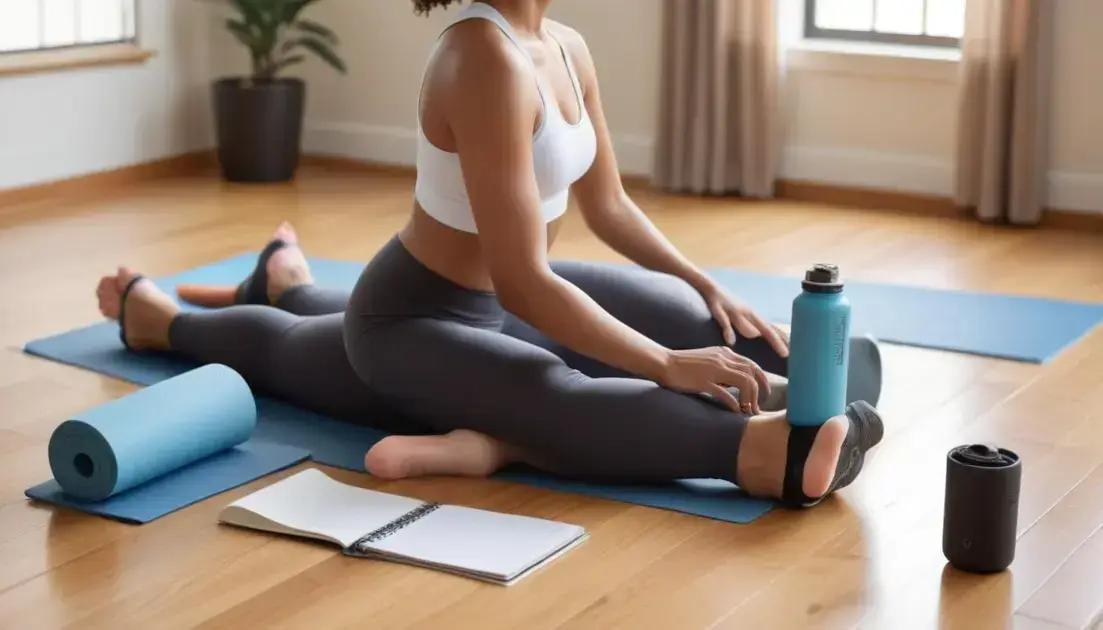
Keep simple records to notice gains and catch issues early. Small logs help you adapt workouts without guesswork.
Track progress with easy metrics
Focus on a few clear numbers: session minutes, perceived effort, and one performance metric like reps or distance.
- Minutes moved per session or week.
- Reps or sets for a key exercise (squat, push-up).
- How you feel after workouts (energy, soreness).
Use a notebook, app, or a calendar check mark. Photo evidence or a few timed tests every month shows real change.
Make tracking a habit
Log right after the session when memory is fresh. A single line note is enough: time, one number, and one feeling word.
Review entries weekly to spot trends: increasing load, more energy, or persistent tightness. Adjust volume or rest when progress stalls.
Recovery strategies that work
Recovery is part of training. Good sleep, daily movement, and simple tools cut soreness and improve gains.
- Prioritize 7–9 hours of sleep most nights.
- Hydrate and eat a mix of protein and carbs after workouts.
- Use active recovery: walking, gentle yoga, or light mobility for 10–20 minutes.
Short sessions of foam rolling or gentle stretching after a workout can ease tight muscles. Keep these routines brief and regular.
Plan rest days. A lighter day helps muscles rebuild and prevents burnout. If you feel unusually tired, reduce intensity instead of pushing harder.
Basic injury prevention tips
Most injuries come from sudden increases in load, poor form, or skipping warm-ups.
- Warm up five minutes with light movement before strenuous sets.
- Increase volume or intensity by no more than about 10% each week.
- Prioritize form: do fewer reps well rather than many with bad technique.
- Stop for sharp pain and seek advice if pain persists more than a few days.
Mix activities to avoid repetitive strain: combine walking, strength moves, and mobility work across the week. When in doubt, consult a professional for targeted guidance.
Track small wins, rest well, and practice safe progress to keep exercise sustainable and reduce the chance of setbacks.
Start small and keep it steady. Set clear, realistic goals and pick short, equipment-free sessions you enjoy. Track simple wins, rest well, and listen to your body to stay consistent and avoid injury.
FAQ – Fitness Guides for Beginners: common questions
How do I start exercising if I’ve never trained before?
Begin with a tiny, consistent routine—10–20 minutes, 3 times a week. Pick simple moves you enjoy and set one clear goal, like walking or doing bodyweight squats.
How much time will it take to notice results?
You may feel more energy in 2–3 weeks. Noticeable strength or endurance gains often appear in 4–8 weeks with regular, progressive sessions.
Do I need equipment or a gym to begin?
No. You can build cardio, strength, and mobility with bodyweight exercises, walking, and short mobility drills. A resistance band is optional and compact.
What should I do when I miss sessions or face setbacks?
Don’t quit—do a short 5–10 minute reset or active recovery. Treat setbacks as data, scale down intensity, and get back to your routine the next possible day.