
Anúncios
As we approach 2026, the anticipation for the release of the updated Dietary Guidelines for Americans is palpable, especially within the sports nutrition community. These guidelines, jointly issued by the U.S. Department of Agriculture (USDA) and the U.S. Department of Health and Human Services (HHS) every five years, serve as the cornerstone of federal nutrition policy and education. They profoundly influence everything from school lunch programs to clinical dietary advice. For athletes and those involved in sports nutrition, these updates are not merely academic; they dictate the very strategies used to fuel performance, enhance recovery, and promote long-term health.
The current guidelines, released in 2020-2025, laid a foundation, but the evolving landscape of nutritional science, coupled with new insights into the specific demands of athletic populations, necessitates a fresh perspective. The upcoming Dietary Guidelines 2026 are expected to incorporate the latest research on diet-related chronic diseases, sustainable eating patterns, and, crucially, the unique needs of active individuals. Understanding these potential shifts is paramount for coaches, trainers, sports dietitians, and athletes themselves to adapt their nutritional approaches effectively.
This comprehensive article will delve into six anticipated key changes in the Dietary Guidelines 2026 and meticulously analyze their potential impact on sports nutrition for Americans. From refined macronutrient recommendations to a greater emphasis on personalized nutrition and sustainable practices, we will explore how these updates could revolutionize the way athletes eat, train, and recover. Prepare to gain a forward-looking perspective that will empower you to navigate the future of sports nutrition with confidence.
1. Enhanced Focus on Individualized Nutrition for Athletes
One of the most significant shifts we anticipate in the Dietary Guidelines 2026 is a stronger emphasis on individualized nutrition. While general guidelines are useful, athletes often have highly specific caloric and macronutrient needs that vary based on their sport, training intensity, body composition goals, and even genetic predispositions. The current guidelines offer broad recommendations, but the future is likely to lean towards a more nuanced approach, acknowledging that a ‘one-size-fits-all’ diet is rarely optimal for peak athletic performance.
Anúncios
This enhanced focus could manifest in several ways. We might see explicit recognition of the increased energy and nutrient demands of highly active individuals, moving beyond the general population’s recommendations. There could be guidance on how to adjust macronutrient ratios (carbohydrates, proteins, fats) based on different phases of training (e.g., endurance training vs. strength training, off-season vs. competition season). For example, endurance athletes often require higher carbohydrate intake to fuel prolonged activity and replenish glycogen stores, while strength athletes prioritize protein for muscle repair and growth. The Dietary Guidelines 2026 could provide frameworks for these adjustments, rather than just suggesting general percentages.
Furthermore, individualized nutrition could also extend to micronutrient considerations. Athletes can be at higher risk for certain nutrient deficiencies due to increased losses through sweat or higher metabolic demands. The new guidelines might highlight the importance of assessing individual micronutrient status and tailoring food choices accordingly, perhaps even suggesting functional foods or supplements for specific athletic populations where deficiencies are common and impact performance.
For sports dietitians and coaches, this change would underscore the importance of comprehensive individual assessments and the development of highly personalized meal plans. Athletes, in turn, would benefit from more precise guidance, allowing them to optimize their dietary intake for their unique physiological requirements and performance goals. This move towards personalization reflects a growing understanding that optimal nutrition is not just about eating ‘healthy’ but eating ‘right’ for one’s specific circumstances.
Anúncios
2. Refined Carbohydrate Recommendations for Performance and Recovery
Carbohydrates have long been the primary fuel source for athletes, but the debate around the type and timing of carbohydrate intake continues to evolve. The Dietary Guidelines 2026 are expected to offer more refined recommendations, moving beyond simply advocating for ‘complex carbohydrates’ to providing more specific guidance tailored to athletic demands.
We might see a clearer distinction between carbohydrates needed for daily energy and those specifically required for pre-exercise fueling, during-exercise sustenance, and post-exercise recovery. For instance, while whole grains and fiber-rich carbohydrates are excellent for general health and sustained energy, faster-acting carbohydrates might be emphasized for immediate pre-workout fuel or rapid glycogen replenishment post-exercise. The guidelines could provide quantitative recommendations, such as grams of carbohydrate per kilogram of body weight, which are more practical for athletes than percentage-based recommendations.
There’s also a growing body of research on the role of specific types of carbohydrates, such as resistant starch or certain oligosaccharides, in gut health, which can indirectly impact athletic performance through improved nutrient absorption and reduced inflammation. The Dietary Guidelines 2026 might touch upon these nuances, encouraging a diverse intake of carbohydrate sources to support not just energy needs but also gut microbiome health.
Moreover, the guidelines could address the ongoing discussion around low-carbohydrate or ketogenic diets in athletic populations. While these diets have gained popularity, their efficacy and potential drawbacks for different types of athletes are still being evaluated. The Dietary Guidelines 2026 might offer a balanced perspective, outlining scenarios where such diets might be considered, if at all, and emphasizing the potential risks, especially for high-intensity or endurance athletes who rely heavily on carbohydrate stores.
Ultimately, these refined carbohydrate recommendations will empower athletes to make more informed choices about their fuel sources, optimizing their intake for sustained energy, peak performance, and efficient recovery, ensuring they are adequately prepared for the physiological stresses of training and competition.
3. Updated Protein Intake Guidelines for Muscle Synthesis and Repair
Protein is critical for muscle repair, growth, and overall bodily function, especially for athletes. The Dietary Guidelines 2026 are likely to update protein recommendations, potentially increasing the suggested intake for active individuals and offering more precise advice on protein timing and source quality.
Current general population guidelines often suggest protein intakes that are insufficient for athletes who have higher protein turnover rates due to intense training. We anticipate the new guidelines will explicitly recommend higher protein intakes for athletes, perhaps in the range of 1.2 to 2.0 grams of protein per kilogram of body weight, depending on the type and intensity of training. This acknowledges the increased demand for amino acids to repair muscle damage, synthesize new muscle proteins, and support other metabolic processes.
Beyond quantity, the Dietary Guidelines 2026 may also emphasize the importance of protein distribution throughout the day, suggesting that athletes aim for consistent protein intake across meals rather than consuming the majority in one sitting. This strategy has been shown to optimize muscle protein synthesis. Furthermore, the guidelines could provide more specific advice on post-exercise protein intake, highlighting the ‘anabolic window’ and the benefits of consuming high-quality protein shortly after training to maximize recovery and adaptation.
The quality of protein sources is another area likely to be addressed. The guidelines might differentiate between animal-based proteins (which are typically complete, containing all essential amino acids) and plant-based proteins, offering guidance on how plant-based athletes can ensure adequate intake of all essential amino acids through complementary protein sources. This would be particularly relevant given the growing trend towards plant-based diets for both health and environmental reasons.
For athletes, these updated protein guidelines will provide clearer targets for optimizing muscle health, accelerating recovery, and enhancing adaptive responses to training, ultimately contributing to improved performance and reduced risk of injury.
4. Greater Emphasis on Plant-Based Eating Patterns and Sustainability
The intersection of nutrition, health, and environmental sustainability is a rapidly growing area of focus. The Dietary Guidelines 2026 are expected to place a greater emphasis on plant-based eating patterns, not only for their health benefits but also for their reduced environmental footprint. This shift will have significant implications for sports nutrition.
While not necessarily advocating for strict vegetarianism or veganism, the guidelines are likely to encourage increased consumption of plant-based foods such as fruits, vegetables, legumes, nuts, and seeds, while potentially recommending a reduction in red and processed meats. For athletes, this means exploring how to meet their high caloric and protein demands through predominantly plant-based sources without compromising performance or recovery.
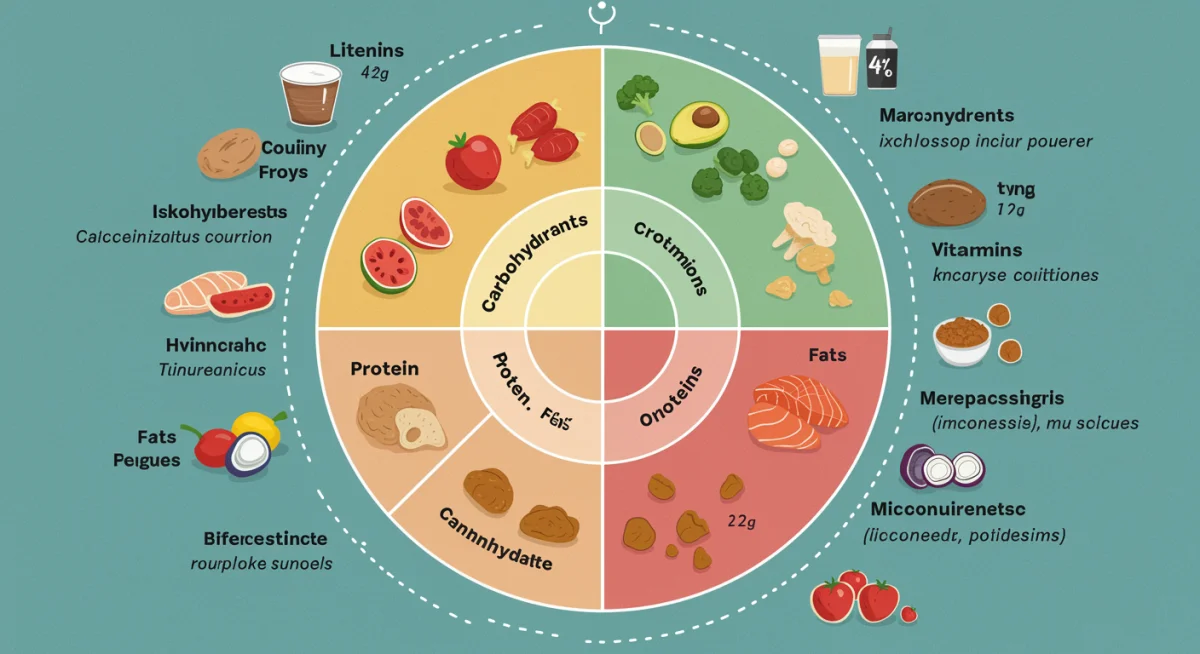
The guidelines might provide practical strategies for athletes adopting plant-based diets, such as advice on combining plant proteins to ensure complete amino acid profiles, identifying good sources of iron, zinc, calcium, and vitamin B12 (nutrients that can be challenging to obtain in purely plant-based diets), and ensuring adequate energy intake. This would be invaluable for the increasing number of athletes choosing plant-forward lifestyles.
Furthermore, the emphasis on sustainability could extend to food sourcing, encouraging consumption of locally grown, seasonal produce and minimizing food waste. While this might seem less directly related to immediate athletic performance, long-term environmental health impacts food security and quality, which in turn affect the availability of nutrient-dense foods for athletes.
For sports nutrition professionals, this means developing expertise in plant-based meal planning for athletes, understanding potential nutrient gaps, and advising on appropriate supplementation when necessary. Athletes will be encouraged to diversify their food choices, explore new plant-based protein sources, and consider the broader impact of their dietary choices on both their health and the planet.
5. Redefined Role of Dietary Supplements and Functional Foods
Dietary supplements and functional foods are ubiquitous in the athletic world, yet their role within official dietary guidelines has often been cautiously approached. The Dietary Guidelines 2026 might offer a more nuanced and perhaps more explicit stance on their use, especially for athletes.
Instead of a blanket ‘food first’ approach, we might see recognition of specific scenarios where certain supplements could be beneficial for athletes, particularly those with increased needs or dietary restrictions. For instance, the guidelines could acknowledge the utility of vitamin D supplementation in athletes with insufficient sun exposure, or iron supplementation for female athletes at risk of deficiency. The role of creatine for strength and power athletes, or caffeine for endurance performance, could also be addressed with more specific, evidence-based recommendations.
However, this increased acceptance would likely come with strong caveats regarding safety, purity, and efficacy. The guidelines would undoubtedly stress the importance of third-party tested supplements to avoid contamination and ensure product integrity. They might also emphasize that supplements should complement, not replace, a nutrient-dense diet, and that their use should ideally be guided by a qualified healthcare professional or sports dietitian.
Functional foods, which offer health benefits beyond basic nutrition (e.g., probiotics for gut health, omega-3 enriched foods for inflammation), could also receive more attention. The Dietary Guidelines 2026 might suggest incorporating these foods into an athlete’s diet to support specific physiological functions that enhance performance or recovery, such as improved digestion or reduced muscle soreness.
This redefined role would provide athletes and coaches with clearer, evidence-based guidance on when and how to appropriately use supplements and functional foods, moving beyond anecdotal evidence and towards a more scientific approach to their integration into a comprehensive sports nutrition strategy.
6. Emphasis on Gut Health and its Impact on Athletic Performance
The burgeoning field of gut microbiome research has revealed its profound influence on overall health, immunity, and even athletic performance. The Dietary Guidelines 2026 are expected to incorporate these findings, placing a greater emphasis on gut health as a critical component of an athlete’s nutritional strategy.
A healthy gut microbiome is linked to improved nutrient absorption, enhanced immune function (crucial for athletes who often experience immune suppression during intense training), reduced inflammation, and even mental well-being. The guidelines might recommend specific dietary strategies to promote a diverse and robust gut microbiome, such as increased intake of fiber-rich foods (prebiotics) from various plant sources, and potentially fermented foods (probiotics) like yogurt, kefir, and kimchi.
For athletes, optimizing gut health can translate to several performance benefits. Improved nutrient absorption means more efficient uptake of carbohydrates, proteins, and micronutrients essential for energy production and recovery. A stronger immune system can help athletes ward off illnesses that sideline them from training and competition. Reduced inflammation can aid in faster recovery from intense workouts and reduce the risk of chronic issues.

The Dietary Guidelines 2026 could also touch upon the impact of certain dietary patterns or stressors on gut health, providing advice on how athletes can mitigate negative effects. For example, high-intensity training can sometimes disrupt gut integrity, and the guidelines might offer dietary interventions to support gut barrier function. Similarly, the use of certain medications (like NSAIDs) or dietary supplements might be discussed in relation to their potential effects on the gut microbiome.
This emphasis on gut health represents a holistic approach to sports nutrition, recognizing that what happens in the gut can profoundly influence an athlete’s ability to train, perform, and recover at their best. It will encourage athletes to consider their digestive health as an integral part of their overall performance strategy.
Conclusion: Preparing for the Future of Sports Nutrition with the Dietary Guidelines 2026
The upcoming Dietary Guidelines 2026 are poised to bring important advancements to federal nutrition policy, with significant ramifications for sports nutrition in America. The anticipated shifts—from a greater focus on individualized nutrition and refined macronutrient recommendations to an increased emphasis on plant-based eating, a redefined role for supplements, and the critical importance of gut health—reflect a dynamic and evolving understanding of how diet impacts athletic performance and overall well-being.
For athletes, coaches, sports dietitians, and anyone involved in the health and fitness industry, staying informed about these changes is not just beneficial, but essential. These guidelines will shape the nutritional advice provided across various platforms, influence food product development, and ultimately guide the dietary choices that fuel athletic aspirations.
By proactively understanding and integrating these potential updates, the sports nutrition community can better serve athletes, helping them optimize their diets for peak performance, accelerated recovery, and long-term health. The future of sports nutrition is not static; it is a field continually refined by scientific discovery and evolving public health needs. The Dietary Guidelines 2026 will undoubtedly mark a pivotal moment in this ongoing journey, providing a clearer, more precise, and more holistic roadmap for nourishing the American athlete.
Embrace these changes, engage with the new recommendations, and continue to prioritize evidence-based nutrition strategies to empower athletes to reach their full potential. The journey to 2026 is an opportunity for growth, learning, and adaptation, ensuring that sports nutrition remains at the forefront of supporting health and performance for all active Americans.