Unlocking Peak Performance: Hydration Strategies for US Athletes in 2026
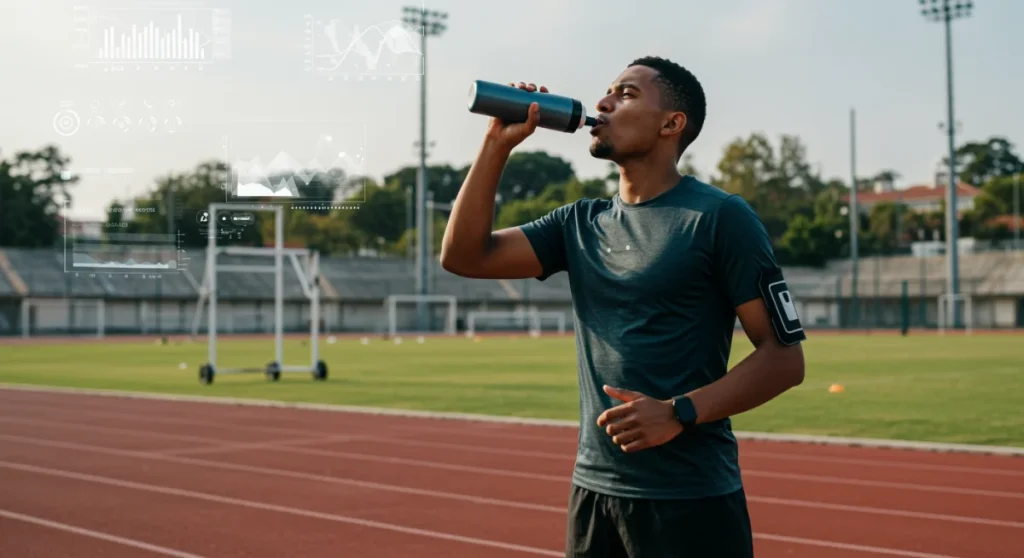
Hydration strategies for US athletes are evolving significantly by 2026, focusing on personalized protocols, advanced smart monitoring, and precision electrolyte replenishment to optimize performance and prevent fatigue.
For US athletes striving for excellence, understanding and implementing the latest hydration strategies is not just beneficial; it’s absolutely crucial. Athlete hydration strategies are undergoing significant advancements, moving beyond generic advice to highly personalized and technologically integrated approaches designed to optimize performance and safeguard health.
The Evolution of Personalized Hydration Protocols
Gone are the days of a one-size-fits-all approach to fluid intake. By 2026, the landscape of athlete hydration has shifted dramatically towards highly individualized protocols, recognizing that each athlete’s physiological needs are unique. This evolution is driven by a deeper understanding of metabolic rates, environmental factors, and individual sweat profiles.
Personalized hydration protocols now integrate various data points to create a precise fluid and electrolyte replenishment plan. This moves beyond simply drinking when thirsty, aiming for proactive and predictive hydration to maintain optimal physiological function throughout training and competition.
Advanced Sweat Rate Analysis
One of the most significant advancements lies in sophisticated sweat rate analysis. Athletes can now undergo detailed testing to determine their individual sweat composition and volume, which varies considerably among individuals.
- Wearable Sensors: Smart patches and wearables are increasingly common, providing real-time data on sweat loss and electrolyte concentration during activity.
- Precision Measurement: Labs offer comprehensive sweat tests that analyze sodium, potassium, and chloride levels, informing customized electrolyte formulations.
- Environmental Adaptation: Protocols are adjusted based on ambient temperature, humidity, and altitude, factors that profoundly influence fluid requirements.
Understanding an athlete’s unique sweat profile allows for the creation of bespoke hydration solutions, ensuring they consume not just enough fluid, but also the correct balance of electrolytes to prevent imbalances that can impair performance and lead to cramping or more severe heat-related illnesses.
The goal of personalized hydration is to prevent even minor dehydration, which can significantly impact cognitive function, endurance, and strength. By knowing precisely what an athlete loses, and at what rate, practitioners can prescribe exact volumes and compositions of fluids, making hydration a true performance enhancer rather than just a recovery measure.
Smart Technology Integration for Real-Time Monitoring
The year 2026 sees smart technology playing an indispensable role in monitoring and managing athlete hydration. These innovations offer real-time feedback, enabling athletes and their support teams to make immediate, informed decisions about fluid intake. This proactive approach minimizes the risks associated with dehydration and optimizes performance during critical moments.
These technological advancements are transforming how athletes interact with their hydration needs, making the process more intuitive and data-driven. The integration of AI and machine learning further refines these systems, providing predictive insights based on historical data and current physiological responses.
Wearable Hydration Sensors and Apps
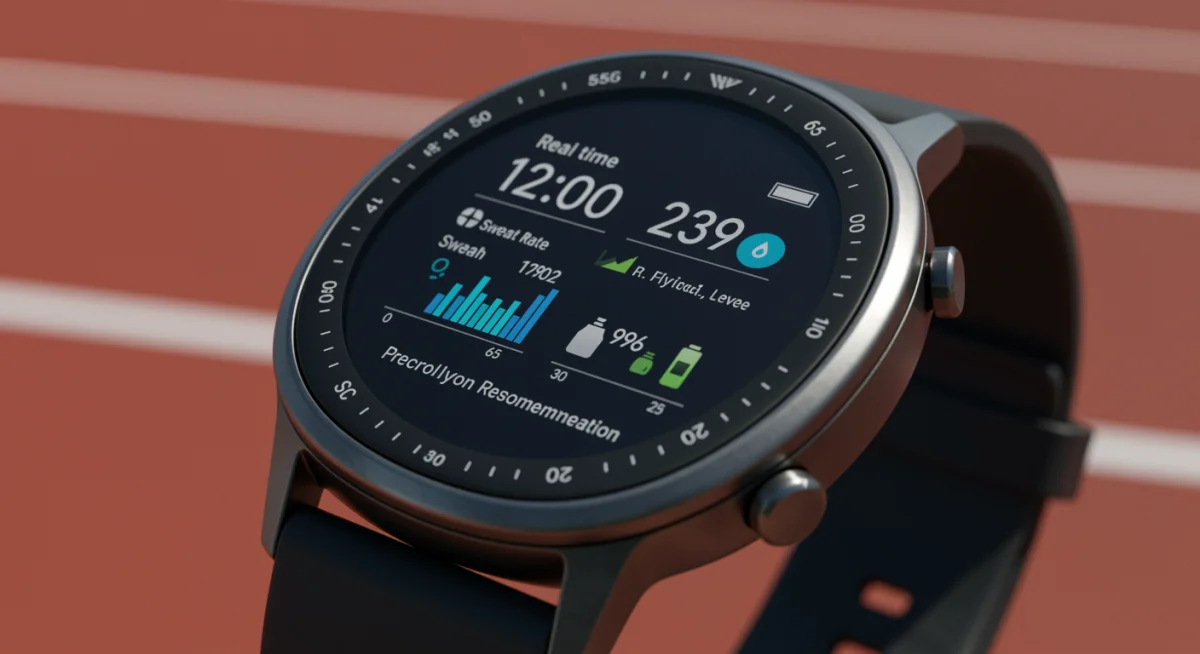
Wearable devices have evolved beyond simple step counters to sophisticated hydration monitors. These devices provide continuous data, alerting athletes when their hydration levels begin to dip or when their electrolyte balance is at risk.
- Continuous Glucose Monitoring (CGM) Integration: While primarily for glucose, some advanced CGMs are being explored for their potential in indirectly indicating hydration status through blood osmolarity changes.
- Smart Water Bottles: These bottles track fluid intake, remind athletes to drink, and often sync with apps to provide personalized recommendations based on activity levels and environmental data.
- Bio-impedance Analysis: Handheld or integrated devices can estimate body water content, offering a quick snapshot of hydration status before and after exercise.
The data collected from these smart devices is invaluable. It allows coaches and sports scientists to identify patterns, understand individual responses to different training loads and environments, and fine-tune hydration strategies on the fly. This real-time feedback loop ensures athletes are always operating within their optimal hydration zone.
The ability to monitor hydration status in real-time has revolutionized preventative measures against dehydration-related performance decrements. Athletes can now receive immediate alerts and guidance, allowing for timely intervention and maintaining peak physical and mental capabilities throughout their demanding schedules.
Advanced Electrolyte Balance and Micronutrient Delivery
Beyond simply consuming water, the focus in 2026 for US athletes is heavily on maintaining a precise electrolyte balance and ensuring efficient micronutrient delivery. This goes hand-in-hand with personalized hydration, recognizing that plain water often isn’t enough to replenish what’s lost through intense physical exertion, especially in varied environmental conditions.
Optimizing electrolyte balance is critical for nerve function, muscle contraction, and preventing cramping. The latest strategies delve into the specific ratios and types of electrolytes needed, moving beyond generic sports drinks to highly customized formulations that cater to an athlete’s unique physiological demands.
Targeted Electrolyte Formulations
The science of electrolyte replenishment has advanced significantly. Instead of a standard electrolyte blend, athletes are now benefiting from formulations tailored to their specific sweat losses and activity types.
- Sodium and Potassium Ratios: Customized drinks are designed with precise sodium and potassium levels to match individual sweat profiles, preventing hyponatremia or hyperkalemia.
- Magnesium and Calcium Inclusion: Beyond the primary electrolytes, magnesium and calcium are being incorporated into hydration plans to support muscle function and bone health, particularly for endurance athletes.
- Bioavailable Forms: Research focuses on delivering electrolytes in forms that are most readily absorbed by the body, ensuring maximum efficacy without gastrointestinal distress.
These targeted formulations are a game-changer, allowing athletes to recover faster, reduce muscle fatigue, and maintain peak performance for longer durations. The days of generic sports drinks are being replaced by scientifically crafted solutions, often developed in conjunction with an athlete’s personal sports dietitian.
Furthermore, the delivery mechanisms for these electrolytes are also evolving. From dissolvable tablets to highly concentrated powders, the emphasis is on convenience and rapid absorption, ensuring athletes can easily integrate these essential components into their training and competition routines, ultimately supporting overall well-being and competitive edge.
Nutrient-Enhanced Hydration for Recovery and Performance
Hydration in 2026 extends beyond just water and electrolytes; it now actively incorporates micronutrients and other beneficial compounds to aid in recovery and enhance performance. This holistic approach ensures that fluids consumed contribute to overall physiological well-being, not just fluid balance. The integration of these elements turns hydration into a comprehensive nutritional strategy.
The goal is to leverage the medium of hydration for efficient delivery of critical nutrients that support muscle repair, reduce inflammation, and boost energy production. This advanced perspective treats hydration as an opportunity for continuous physiological support, especially during high-demand periods.
Incorporating Branched-Chain Amino Acids (BCAAs) and Antioxidants
Athletes are increasingly using hydration fluids as a vehicle for delivering performance-enhancing and recovery-aiding nutrients. This strategic inclusion helps mitigate muscle breakdown and oxidative stress.
- BCAA-Infused Hydration: Drinks containing BCAAs (leucine, isoleucine, valine) are consumed during or after intense exercise to support muscle protein synthesis and reduce muscle soreness.
- Antioxidant Power: Electrolyte solutions are often fortified with antioxidants like Vitamin C and E, or natural extracts such as tart cherry, to combat exercise-induced oxidative stress and inflammation.
- Carbohydrate Integration: For prolonged activities, specific carbohydrate concentrations are added to maintain energy levels and prevent glycogen depletion, ensuring sustained performance.
This approach transforms a simple hydration break into a strategic nutritional intervention. By delivering these vital compounds efficiently, athletes can experience faster recovery times, improved immune function, and a reduced risk of injury, all contributing to consistent peak performance. The precision in dosing and timing further amplifies their benefits.
The synergy between hydration and targeted nutrient delivery is a cornerstone of modern sports nutrition. It ensures that every fluid intake contributes purposefully to an athlete’s physiological demands, optimizing not just immediate performance but also long-term athletic health and career longevity.
Environmental and Performance Contextualization
Understanding that hydration needs are not static, 2026 strategies heavily emphasize contextualizing fluid intake based on environmental conditions and specific performance demands. This dynamic approach allows for real-time adjustments, ensuring athletes are optimally hydrated regardless of external factors or the intensity of their activity.
This contextualization is crucial for athletes competing across various climates and facing diverse athletic challenges. It moves beyond a fixed daily intake recommendation to a flexible, responsive hydration plan that adapts to the moment-to-moment needs of the athlete.
Adapting to Climate and Altitude
Environmental factors significantly influence sweat rates and overall fluid loss. Modern hydration protocols are meticulously designed to account for these variables.
- Heat and Humidity: In hot and humid conditions, athletes are provided with increased fluid volumes and higher electrolyte concentrations to compensate for accelerated sweat rates and elevated sodium losses.
- Cold Environments: While often overlooked, cold weather can still lead to significant fluid loss through respiration. Protocols address this with appropriate warm fluid intake and mindful electrolyte replenishment.
- Altitude Acclimatization: At higher altitudes, increased respiratory rates and diuresis necessitate greater fluid intake. Hydration plans are adjusted to prevent dehydration and support acclimatization processes.
Beyond climate, the specific demands of a sport or event also dictate hydration strategies. A marathon runner will have different needs than a weightlifter or a basketball player. Protocols are tailored to match the duration, intensity, and metabolic demands of each activity, ensuring optimal fuel and fluid delivery.
This highly contextualized approach to hydration underscores the complexity and sophistication of current sports nutrition. It’s about more than just drinking water; it’s about strategically managing fluid and electrolyte balance to match the unique challenges presented by both the environment and the athletic endeavor itself, thereby maximizing safety and performance.
The Role of Gut Health in Hydration Absorption
An often-underestimated aspect of effective hydration in 2026 is the critical role of gut health in fluid and nutrient absorption. A healthy gut microbiome and intestinal lining are essential for the efficient uptake of water, electrolytes, and other beneficial compounds from the digestive tract into the bloodstream. Disruptions in gut health can severely impair hydration efforts, leading to suboptimal performance and even gastrointestinal distress during exercise.
Recognizing this intricate connection, modern athlete hydration strategies now incorporate practices aimed at supporting and optimizing gut health. This holistic view acknowledges that the body functions as an interconnected system, where one component significantly influences another.
Probiotics and Prebiotics for Enhanced Absorption
To ensure maximum absorption of fluids and electrolytes, athletes are increasingly focusing on maintaining a robust and balanced gut microbiome. Dietary interventions and supplementation play a key role in this strategy.
- Probiotic Supplementation: Specific strains of probiotics are being investigated for their ability to improve gut barrier function and enhance nutrient absorption, including water and electrolytes.
- Prebiotic Fiber Intake: Consuming adequate prebiotic fibers, found in foods like oats, bananas, and garlic, feeds beneficial gut bacteria, promoting a healthy digestive environment.
- Minimizing Gut Irritants: Athletes are advised to reduce intake of highly processed foods, excessive artificial sweeteners, and certain medications that can negatively impact gut integrity and lead to malabsorption.
By fostering a healthy gut, athletes can ensure that the advanced hydration solutions they consume are effectively utilized by the body. This translates to more efficient fluid retention, better electrolyte balance, and reduced risk of exercise-induced gastrointestinal issues, which can be debilitating during competition.
The emphasis on gut health represents a significant paradigm shift in hydration research. It highlights that even the most meticulously planned fluid and electrolyte intake can be compromised if the body’s internal absorption mechanisms are not functioning optimally. Therefore, supporting gut integrity is now an integral part of comprehensive athlete hydration. This ensures that every drop of fluid and every dissolved nutrient contributes maximally to an athlete’s performance and recovery.
| Key Aspect | Description of Update |
|---|---|
| Personalized Protocols | Tailored hydration plans based on individual sweat rates, composition, and specific physiological needs. |
| Smart Technology | Real-time monitoring via wearables and apps for immediate feedback and proactive hydration management. |
| Advanced Electrolytes | Customized electrolyte formulations and micronutrient delivery for optimal balance and recovery. |
| Gut Health Focus | Emphasis on optimizing gut health to enhance fluid and nutrient absorption efficiency for better hydration outcomes. |
Frequently Asked Questions About Athlete Hydration
Personalized hydration is crucial because each athlete has unique sweat rates, electrolyte losses, and physiological responses to exercise and environment. Generic advice falls short; tailored protocols optimize performance, prevent dehydration, and minimize health risks by matching individual needs precisely.
Smart technologies, such as wearables and smart bottles, provide real-time data on sweat loss, electrolyte levels, and fluid intake. This immediate feedback allows athletes and coaches to make proactive adjustments to hydration strategies, ensuring optimal fluid balance throughout training and competition.
Advanced electrolyte strategies involve customized formulations based on an athlete’s specific sweat composition. These go beyond basic sodium and potassium, incorporating magnesium, calcium, and other micronutrients in bioavailable forms to support muscle function, nerve transmission, and overall recovery.
Absolutely. A healthy gut microbiome and intestinal lining are vital for efficient absorption of water, electrolytes, and nutrients. Poor gut health can impair this absorption, making even well-planned hydration efforts less effective and potentially leading to gastrointestinal issues during exercise.
Environmental factors like temperature, humidity, and altitude significantly alter sweat rates and fluid needs. Hydration strategies must be dynamic, adjusting fluid volumes and electrolyte concentrations to compensate for increased losses in hot conditions or higher fluid requirements at altitude, ensuring optimal performance.
Conclusion
The landscape of athlete hydration has undeniably transformed by 2026, shifting from generalized recommendations to highly sophisticated, personalized, and technologically driven strategies. For US athletes, this means a new era of precision in managing fluid and electrolyte balance, which is paramount for unlocking peak performance and ensuring sustained health. The integration of advanced sweat analysis, real-time smart monitoring, customized electrolyte formulations, and a keen focus on gut health collectively represents a holistic approach to hydration. These innovations empower athletes to not only meet but exceed their physiological demands, providing a critical competitive edge in the demanding world of professional sports. Embracing these updates is no longer optional; it is essential for anyone serious about achieving and maintaining optimal athletic prowess.