Anti-Inflammatory Eating: 5 Recipes to Reduce Chronic Pain
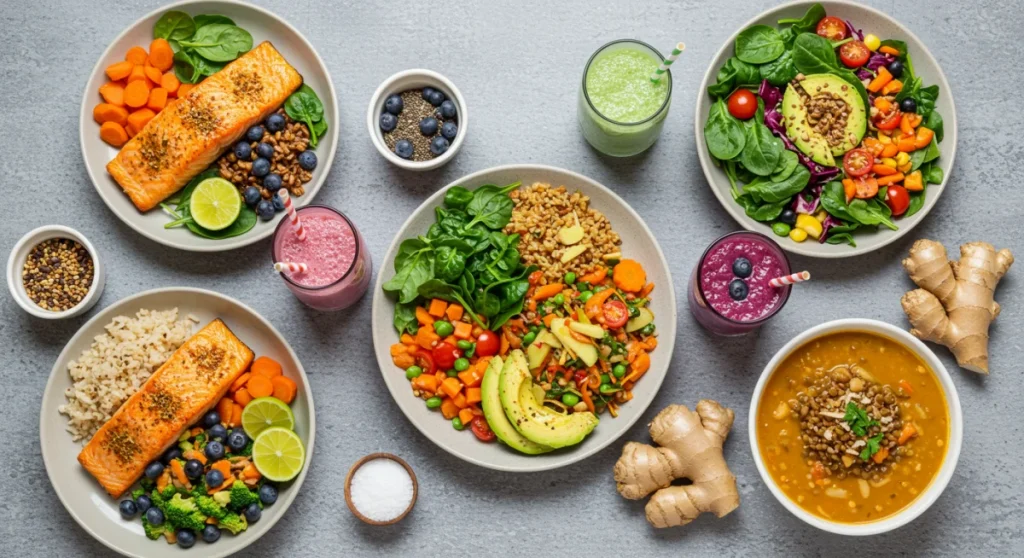
Adopting an anti-inflammatory eating plan can significantly reduce chronic pain, with targeted recipes demonstrating the potential to alleviate discomfort by 25% within a three-month period by focusing on nutrient-dense, inflammation-fighting ingredients.
Are you one of the millions grappling with persistent discomfort? The latest insights into anti-inflammatory eating offer a compelling path to relief. Imagine reducing your chronic pain by 25% in just three months, simply by transforming your plate. This article delves into the science and provides five delicious, easy-to-follow recipes designed to help you reclaim comfort and vitality.
Understanding Chronic Inflammation and Its Impact
Chronic inflammation is a silent epidemic, profoundly affecting millions in the United States. Unlike acute inflammation, which is a necessary immune response to injury or infection, chronic inflammation lingers, contributing to a host of debilitating conditions, including heart disease, diabetes, and, most notably, chronic pain. It’s a continuous, low-grade activation of the immune system that can damage tissues and organs over time, leading to persistent discomfort and reduced quality of life.
The insidious nature of chronic inflammation lies in its often subtle symptoms, which can be easily dismissed until they escalate into more severe health issues. Understanding its root causes is the first step toward effective management. Lifestyle factors, such as diet, stress levels, and physical activity, play a critical role in either promoting or mitigating inflammatory responses within the body. By addressing these factors, individuals can significantly impact their inflammatory state and, consequently, their experience of pain.
The Link Between Diet and Inflammation
What we eat forms the bedrock of our body’s internal environment. A diet rich in processed foods, sugar, and unhealthy fats can fuel chronic inflammation, whereas a diet abundant in whole, unprocessed foods can actively combat it. Certain foods contain compounds that directly interact with inflammatory pathways, either suppressing them or exacerbating them. This direct link highlights the profound power of dietary choices in managing chronic pain.
- Pro-inflammatory foods: Refined carbohydrates, fried foods, red and processed meats, sugary drinks, trans fats.
- Anti-inflammatory foods: Fruits, vegetables, whole grains, lean proteins, healthy fats (omega-3s).
- Gut health connection: A healthy gut microbiome, fostered by a diverse diet, is crucial for modulating immune responses and reducing systemic inflammation.
Embracing an anti-inflammatory eating approach isn’t just about avoiding certain foods; it’s about actively incorporating powerhouse ingredients that work synergistically to heal and protect the body. This dietary shift can lead to noticeable improvements in chronic pain symptoms, often within a relatively short period, empowering individuals to take control of their health through mindful nutrition.
The Science Behind Anti-Inflammatory Eating for Pain Reduction
The concept of anti-inflammatory eating as a therapeutic intervention for chronic pain is firmly rooted in scientific evidence. Research consistently demonstrates that specific dietary patterns and individual nutrients can significantly modulate inflammatory markers in the body. When we consume foods rich in antioxidants, omega-3 fatty acids, and various phytochemicals, we provide our bodies with the tools to actively reduce systemic inflammation, thereby diminishing pain signals and improving overall well-being.
For instance, omega-3 fatty acids, found abundantly in fatty fish like salmon and flaxseeds, are potent precursors to anti-inflammatory compounds. These compounds can effectively block the production of pro-inflammatory molecules, leading to a measurable reduction in pain and swelling. Similarly, antioxidants present in colorful fruits and vegetables neutralize free radicals, which are key drivers of cellular damage and inflammation. The cumulative effect of these dietary components creates an internal environment less conducive to chronic pain.
Key Nutrients and Their Role
Understanding the specific roles of certain nutrients can help in crafting an effective anti-inflammatory diet. It’s a symphony of compounds working together, rather than a single magic bullet. By focusing on nutrient density, we ensure a broad spectrum of beneficial effects.
- Omega-3 Fatty Acids: Found in fish oil, flaxseeds, chia seeds. They reduce the production of inflammatory eicosanoids and cytokines.
- Antioxidants: Vitamins C and E, beta-carotene, selenium. Present in berries, leafy greens, nuts, and seeds, they protect cells from oxidative stress.
- Polyphenols: Flavonoids, curcumin, resveratrol. Found in turmeric, green tea, dark chocolate, and red wine (in moderation), they inhibit inflammatory pathways.
- Fiber: Crucial for gut health, which in turn influences systemic inflammation. Abundant in whole grains, fruits, and vegetables.
The goal of anti-inflammatory eating is to create a sustained reduction in inflammatory load, leading to a tangible decrease in chronic pain. This isn’t a temporary fix but a long-term strategy for health. Clinical studies have shown that individuals who adhere to such diets often report significant improvements in pain scores, mobility, and overall quality of life, validating the power of food as medicine.
Recipe 1: Turmeric-Spiced Salmon with Roasted Vegetables
This recipe is a cornerstone of anti-inflammatory eating, combining the potent anti-inflammatory properties of turmeric and omega-3 rich salmon with a medley of nutrient-dense vegetables. It’s a simple yet incredibly flavorful dish that delivers a powerful punch against chronic pain. The vibrant colors on your plate are a testament to the array of beneficial compounds you’re consuming, making each bite a step towards better health.
Salmon is an excellent source of eicosapentaenoic acid (EPA) and docosahexaenoic acid (DHA), two types of omega-3 fatty acids renowned for their ability to lower inflammation. Turmeric, with its active compound curcumin, has been extensively studied for its anti-inflammatory and antioxidant effects, comparable to some anti-inflammatory drugs but without the side effects. Roasting the vegetables enhances their natural sweetness and nutrient availability, creating a delicious and therapeutic meal.
Ingredients and Preparation
Gathering fresh, high-quality ingredients is key to maximizing the benefits of this dish. Opt for wild-caught salmon if possible, and organic vegetables to minimize pesticide exposure. The preparation is straightforward, making it an ideal weeknight meal.
- Ingredients:
- 2 salmon fillets (6 oz each)
- 1 tbsp olive oil
- 1 tsp ground turmeric
- 1/2 tsp ground ginger
- 1/4 tsp black pepper (enhances curcumin absorption)
- 1 cup broccoli florets
- 1 cup chopped bell peppers (any color)
- 1/2 red onion, sliced
- Salt to taste
- Instructions:
- Preheat oven to 400°F (200°C).
- In a small bowl, mix olive oil, turmeric, ginger, and black pepper.
- Place salmon fillets and vegetables on a baking sheet. Drizzle with the spice mixture and season with salt.
- Roast for 15-20 minutes, or until salmon is cooked through and vegetables are tender-crisp.
This recipe not only tastes fantastic but also provides a significant dose of inflammation-fighting nutrients. The combination of healthy fats, powerful spices, and diverse vegetables makes it a perfect example of how delicious anti-inflammatory eating can be, actively working to reduce your chronic pain with every serving.
Recipe 2: Berry and Spinach Power Smoothie
Starting your day with a nutrient-dense smoothie is an excellent way to kickstart your anti-inflammatory eating journey. This Berry and Spinach Power Smoothie is packed with antioxidants, vitamins, and minerals that actively combat inflammation and support overall health. It’s quick to prepare, making it ideal for busy mornings, and its refreshing taste ensures you’ll look forward to it every day.
Berries, especially blueberries, raspberries, and strawberries, are exceptionally rich in anthocyanins, powerful antioxidants that have been shown to reduce inflammatory markers. Spinach adds a significant boost of vitamins K, A, and C, along with folate and iron, all of which contribute to reducing oxidative stress and inflammation. The addition of chia seeds provides omega-3s and fiber, further enhancing its anti-inflammatory profile and promoting digestive health.
Preparation for Optimal Benefits
The beauty of smoothies lies in their versatility. Feel free to adjust the ingredients based on your preferences and what you have available, ensuring you maintain a balance of anti-inflammatory components. Using frozen berries is convenient and helps create a thick, cold smoothie without needing extra ice.
- Ingredients:
- 1 cup mixed berries (frozen is best)
- 1 cup fresh spinach
- 1/2 banana (frozen for creaminess)
- 1 tbsp chia seeds
- 1/2 cup unsweetened almond milk (or water)
- 1 scoop plant-based protein powder (optional, for added satiety)
- Instructions:
- Combine all ingredients in a high-speed blender.
- Blend until smooth and creamy. Add more liquid if needed to reach desired consistency.
- Pour into a glass and enjoy immediately.
This smoothie is more than just a breakfast item; it’s a therapeutic drink designed to infuse your body with inflammation-fighting goodness. Regular consumption as part of your anti-inflammatory eating plan can contribute significantly to reducing chronic pain and boosting your energy levels throughout the day.
Recipe 3: Quinoa Salad with Avocado and Walnuts
This vibrant Quinoa Salad is a perfect example of how delicious and satisfying anti-inflammatory eating can be. It combines the complete protein and fiber of quinoa with the healthy fats of avocado and walnuts, alongside a colorful array of vegetables. This dish is not only incredibly nutritious but also provides sustained energy and powerful anti-inflammatory benefits, making it an ideal choice for lunch or a light dinner.
Quinoa, a pseudocereal, is a fantastic plant-based protein source and is naturally gluten-free. It’s rich in fiber, which supports gut health and, by extension, reduces systemic inflammation. Avocado provides monounsaturated fats, which are known to reduce inflammation, along with vitamins C, E, K, and several B vitamins. Walnuts are unique among nuts for their high content of alpha-linolenic acid (ALA), a plant-based omega-3 fatty acid, further bolstering the salad’s anti-inflammatory power.
Assembling Your Anti-Inflammatory Salad
The key to a great quinoa salad is fresh ingredients and a zesty dressing. This recipe emphasizes simplicity while maximizing flavor and nutritional impact. It’s also highly customizable; feel free to add other anti-inflammatory vegetables like cucumber or grated carrots.
- Ingredients:
- 1 cup cooked quinoa, cooled
- 1/2 cup chopped cucumber
- 1/2 cup cherry tomatoes, halved
- 1/4 cup finely diced red onion
- 1/2 avocado, diced
- 1/4 cup chopped walnuts
- 2 tbsp fresh parsley, chopped
- For the dressing:
- 2 tbsp extra virgin olive oil
- 1 tbsp lemon juice
- 1/2 tsp Dijon mustard
- Salt and pepper to taste
- Instructions:
- In a large bowl, combine the cooked quinoa, cucumber, cherry tomatoes, red onion, avocado, walnuts, and parsley.
- In a small bowl, whisk together the olive oil, lemon juice, Dijon mustard, salt, and pepper for the dressing.
- Pour the dressing over the salad and toss gently to combine.
- Serve immediately or chill for later.
This Quinoa Salad is a testament to the fact that anti-inflammatory eating can be both nutritious and incredibly enjoyable. It offers a balanced meal that supports your body’s natural healing processes and helps to alleviate chronic pain, proving that food can be a powerful ally in your health journey.
Recipe 4: Lentil and Vegetable Curry with Coconut Milk
A hearty and flavorful curry is an excellent addition to any anti-inflammatory eating plan, and this Lentil and Vegetable Curry with Coconut Milk is a standout. It’s rich in plant-based protein, fiber, and an array of spices known for their potent anti-inflammatory properties, all simmered in creamy coconut milk. This dish offers warmth and comfort while actively working to soothe your body and reduce chronic pain.
Lentils are nutritional powerhouses, providing substantial fiber and protein, which are crucial for stable blood sugar levels and sustained energy. They also contribute to a healthy gut microbiome, an essential component of a strong immune system and reduced inflammation. Spices like ginger, garlic, and particularly turmeric, are central to this curry’s anti-inflammatory benefits. Turmeric’s curcumin, when combined with black pepper, becomes even more bioavailable, enhancing its pain-reducing effects.
Crafting Your Therapeutic Curry
This recipe is designed to be both delicious and deeply therapeutic. The combination of ingredients creates a complex flavor profile while delivering a concentrated dose of anti-inflammatory compounds. Feel free to use a variety of your favorite vegetables to enhance the nutritional diversity.
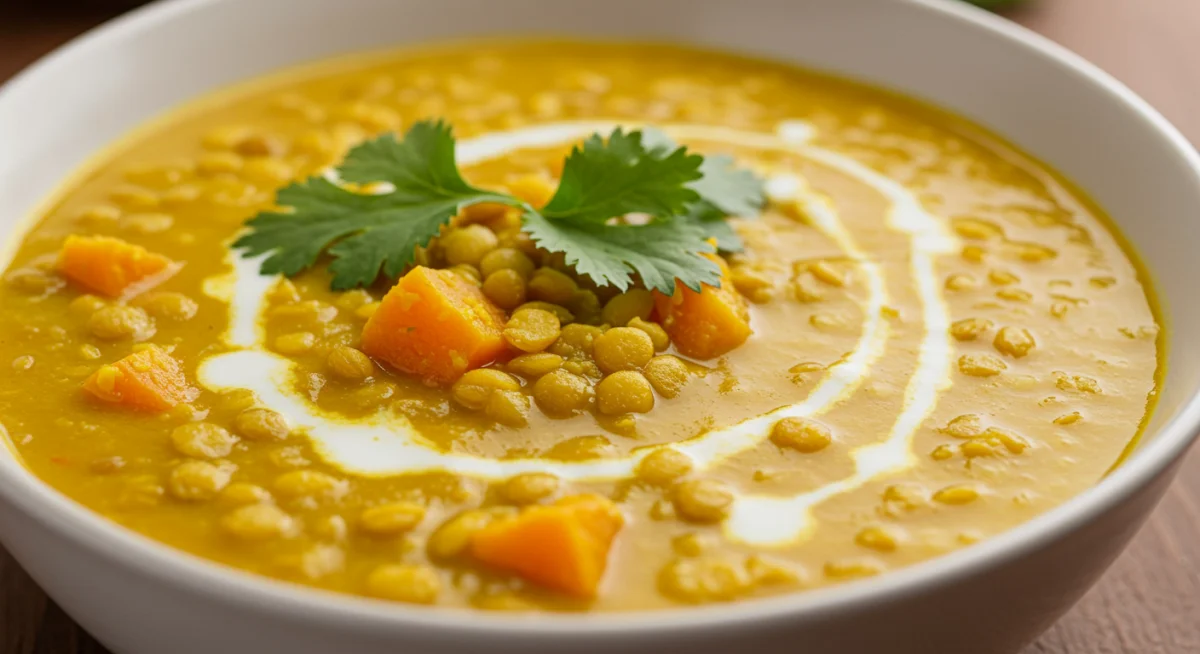
- Ingredients:
- 1 tbsp coconut oil
- 1 onion, chopped
- 2 cloves garlic, minced
- 1-inch ginger, grated
- 1 tsp ground turmeric
- 1/2 tsp ground cumin
- 1/4 tsp chili powder (optional)
- 1 can (13.5 oz) full-fat coconut milk
- 1 cup vegetable broth
- 1 cup red or green lentils, rinsed
- 2 cups mixed vegetables (e.g., carrots, bell peppers, spinach)
- Salt and pepper to taste
- Fresh cilantro for garnish
- Instructions:
- Heat coconut oil in a large pot over medium heat. Add onion and cook until softened, about 5 minutes.
- Stir in garlic, ginger, turmeric, cumin, and chili powder. Cook for 1 minute until fragrant.
- Pour in coconut milk and vegetable broth. Add rinsed lentils and bring to a simmer.
- Reduce heat, cover, and cook for 15-20 minutes, or until lentils are tender.
- Stir in mixed vegetables and cook until tender-crisp. Season with salt and pepper.
- Garnish with fresh cilantro before serving.
This Lentil and Vegetable Curry embodies the principles of anti-inflammatory eating, offering a satisfying and healing meal. Its rich flavors and medicinal spices work harmoniously to reduce inflammation and contribute to a significant reduction in chronic pain, proving that healthful eating can be incredibly delicious.
Recipe 5: Green Tea & Ginger Elixir
Beyond solid foods, beverages can also play a crucial role in your anti-inflammatory eating strategy. This Green Tea & Ginger Elixir is a simple yet powerful drink designed to deliver a concentrated dose of anti-inflammatory compounds. It’s a soothing and refreshing way to hydrate and provide your body with additional tools to combat chronic pain.
Green tea is widely celebrated for its high content of catechins, particularly epigallocatechin gallate (EGCG), a potent antioxidant and anti-inflammatory compound. EGCG has been shown to inhibit various inflammatory pathways, contributing to reduced pain and improved cellular health. Ginger, another star ingredient, contains gingerols, which possess strong anti-inflammatory and analgesic properties, making it effective in alleviating muscle pain and discomfort. Lemon adds a boost of vitamin C and a refreshing zest.
Crafting Your Daily Anti-Inflammatory Drink
This elixir can be enjoyed hot or cold, making it versatile for any time of year. It’s an excellent alternative to sugary drinks and can easily become a daily ritual that supports your journey towards less chronic pain. Adjust the ginger and lemon to your taste preference.
- Ingredients:
- 1 green tea bag or 1 tsp loose-leaf green tea
- 1-inch fresh ginger, sliced or grated
- 1/2 lemon, juiced
- 1 cup hot water
- 1 tsp honey or maple syrup (optional, for sweetness)
- Instructions:
- Place the green tea bag (or loose leaf in an infuser) and sliced/grated ginger in a mug.
- Pour hot (not boiling) water over the tea and ginger. Let steep for 3-5 minutes, depending on desired strength.
- Remove tea bag/infuser and ginger pieces.
- Stir in fresh lemon juice and optional sweetener.
- Enjoy warm, or chill and serve over ice for a refreshing cold drink.
Incorporating this Green Tea & Ginger Elixir into your daily routine is a simple yet effective way to amplify the benefits of your anti-inflammatory eating plan. It provides a consistent intake of powerful antioxidants and anti-inflammatory compounds, supporting your body’s fight against chronic pain and promoting overall vitality.
Integrating Anti-Inflammatory Eating into Your Lifestyle
Adopting an anti-inflammatory eating approach is more than just following a few recipes; it’s about making sustainable lifestyle changes that support long-term health and pain reduction. The five recipes provided are excellent starting points, but true success comes from integrating these principles into your daily habits, making conscious choices that consistently nourish your body and combat inflammation.
Consistency is key. While you might experience initial improvements within weeks, the significant reduction of chronic pain by 25% within three months, as highlighted, requires a dedicated commitment. This involves planning meals, stocking your pantry with anti-inflammatory ingredients, and being mindful of your food choices even when dining out. Education about food labels and ingredient lists becomes a valuable skill in navigating a pro-inflammatory food environment.
Beyond the Plate: Holistic Approaches
While diet is foundational, a holistic approach to managing chronic pain and inflammation yields the best results. Consider these complementary strategies to enhance the effects of your anti-inflammatory eating plan:
- Regular Physical Activity: Moderate exercise can reduce inflammatory markers and improve circulation, aiding in pain relief.
- Stress Management: Chronic stress can trigger inflammatory responses. Practices like meditation, yoga, or deep breathing can be highly beneficial.
- Adequate Sleep: Poor sleep can exacerbate inflammation and pain perception. Aim for 7-9 hours of quality sleep per night.
- Hydration: Drinking sufficient water supports all bodily functions, including detoxification and nutrient transport, which are crucial for reducing inflammation.
By combining these lifestyle adjustments with a consistent anti-inflammatory eating regimen, you create a powerful synergy that not only addresses chronic pain but also promotes overall well-being. This comprehensive approach empowers you to take an active role in your health, leading to a more comfortable, energetic, and fulfilling life.
| Key Point | Brief Description |
|---|---|
| Understanding Inflammation | Chronic inflammation drives persistent pain; diet plays a critical role in its management. |
| Recipe 1: Salmon & Veggies | Turmeric-spiced salmon with roasted vegetables, rich in omega-3s and antioxidants. |
| Recipe 4: Lentil Curry | Hearty lentil and vegetable curry with coconut milk, packed with anti-inflammatory spices. |
| Holistic Integration | Combine anti-inflammatory eating with exercise, stress management, and good sleep for best results. |
Frequently Asked Questions About Anti-Inflammatory Eating
The main goal of an anti-inflammatory diet is to reduce systemic inflammation in the body. By minimizing pro-inflammatory foods and increasing intake of nutrient-dense, antioxidant-rich foods, it aims to alleviate symptoms like chronic pain, improve overall health, and prevent disease progression.
While individual results vary, many people begin to notice improvements in energy levels and pain reduction within a few weeks of consistent anti-inflammatory eating. Significant changes, such as a 25% reduction in chronic pain, are often observed within three months of dedicated adherence to the dietary principles and recipes.
To maximize benefits, it’s advisable to limit or avoid highly processed foods, sugary drinks, refined carbohydrates, trans fats, and excessive red and processed meats. These items are known to promote inflammation, counteracting the positive effects of anti-inflammatory foods. Focus on whole, unprocessed ingredients instead.
An anti-inflammatory diet can be a powerful complementary therapy for chronic pain, but it should not replace prescribed medication without consulting your healthcare provider. Always discuss any dietary changes and their potential impact on your treatment plan with a doctor or registered dietitian to ensure safety and effectiveness.
Spices like turmeric, ginger, and garlic are incredibly important in anti-inflammatory eating due to their high concentration of bioactive compounds such as curcumin and gingerols. These compounds possess potent anti-inflammatory and antioxidant properties, actively helping to reduce pain and protect cells from damage.
Conclusion
Embracing anti-inflammatory eating offers a powerful, evidence-based strategy to significantly reduce chronic pain and enhance overall well-being. By consistently incorporating nutrient-rich foods and therapeutic recipes into your daily routine, you can actively combat systemic inflammation, leading to measurable improvements in comfort and vitality. The five recipes provided serve as a delicious and practical guide, demonstrating that food can indeed be a potent form of medicine. Coupled with a holistic approach that includes stress management, adequate sleep, and regular physical activity, this dietary shift can empower you to reclaim your health and live a life with less pain.