Periodization for Peak Performance: Your 2025 Training Guide

Periodization for peak performance in 2025 involves strategically structuring your training into distinct phases to maximize adaptations, prevent overtraining, and ensure optimal physical readiness for competitive events or personal goals.
Are you ready to elevate your fitness to unprecedented levels in 2025? Understanding and implementing periodization for peak performance is not just a trend; it’s a scientifically backed methodology essential for anyone serious about achieving their athletic goals and sustaining long-term progress.
Understanding the foundations of periodization
Periodization is a systematic approach to training that involves dividing the training year into specific phases, each with its own goals, intensity, and volume. This structured methodology helps athletes and fitness enthusiasts progressively challenge their bodies, ensuring optimal adaptation and preventing plateaus or overtraining. It moves beyond simply working out hard every day, advocating for a smarter, more calculated path to physical excellence.
The concept hinges on the body’s ability to adapt to stress, but also its need for recovery. Without proper variation and strategic breaks, progress can stall, and injuries become more likely. By planning cycles of high intensity, lower intensity, and active recovery, periodization allows the body to rebuild stronger, leading to significantly better results over time.
The core principles of periodization
At its heart, periodization is built upon several fundamental principles that guide the planning process. These principles ensure that the training stimulus is appropriate and progressive, leading to the desired physiological adaptations without causing undue stress or burnout.
- Progressive overload: Gradually increasing the demands on the body to continue making gains.
- Specificity: Training should be relevant and appropriate to the specific sport or activity.
- Variation: Changing exercises, intensity, and volume to prevent adaptation plateaus.
- Reversibility: The ‘use it or lose it’ principle, highlighting the need for consistent training.
Ultimately, a solid understanding of these principles allows for the creation of a dynamic and effective training plan. It’s about working smarter, not just harder, and ensuring every training session contributes to a larger, overarching goal. This strategic foresight is what separates consistent achievers from those who struggle with intermittent progress.
The macrocycle: your annual training blueprint
The macrocycle represents the longest phase in a periodized training plan, typically spanning an entire year, though it can sometimes be longer. It serves as the overarching blueprint, outlining the major objectives for the year and how different training phases will contribute to achieving those goals. This broad perspective is crucial for understanding the flow of training and ensuring all components work in harmony.
Within a macrocycle, an athlete will typically move through several distinct phases: preparation, competition, and transition. Each of these phases has specific aims and characteristics designed to progressively build fitness, peak for events, and allow for necessary recovery. Without a clear macrocycle, training can become haphazard, making it difficult to achieve peak performance at the right time.
Structuring the macrocycle for 2025
For 2025, structuring your macrocycle involves identifying your primary goals or target events early on. This allows you to work backward, planning the preparatory and competitive phases accordingly. Consider the duration of each phase, ensuring sufficient time for adaptation and recovery, especially when planning for multiple competitive events.
- General preparation phase: Focus on building a broad base of fitness, endurance, and strength.
- Specific preparation phase: Transition to more sport-specific training, increasing intensity and skill work.
- Competition phase: Maintain fitness, focus on peaking for events, and minimize fatigue.
- Transition phase: Active recovery and mental break from structured training to prepare for the next macrocycle.
The success of the macrocycle lies in its flexibility and responsiveness to an athlete’s progress and life circumstances. While it provides a roadmap, it should not be rigid. Adjustments are often necessary based on performance, fatigue levels, and unforeseen events, ensuring the plan remains effective and sustainable throughout the year.
Mesocycles: building blocks of progress
Mesocycles are intermediate training blocks that typically last anywhere from two to six weeks, fitting neatly within the larger macrocycle. They are the building blocks of your annual plan, each designed to achieve a specific physiological adaptation or training objective. Think of them as mini-campaigns within your overall strategy, each contributing to a greater goal.
Each mesocycle focuses on a particular aspect of fitness, such as strength, power, endurance, or hypertrophy. The combination and sequencing of these mesocycles are critical for progressive overload and preventing the body from adapting too quickly to a single type of stimulus. This systematic variation keeps the training fresh and effective, pushing the body to new levels of performance.
Designing effective mesocycles
When designing mesocycles, consider the overarching goal of the macrocycle and how each block will contribute. For example, an athlete aiming for a marathon might have early mesocycles focused on general strength and aerobic base, followed by blocks emphasizing specific running endurance and speed work. The key is a logical progression of training stimuli.
- Accumulation mesocycles: High volume, moderate intensity, building foundational fitness.
- Intensification mesocycles: Lower volume, higher intensity, focusing on strength or power.
- Tapering mesocycles: Reduced volume and intensity, preparing for competition.
- Restoration mesocycles: Active recovery, lower stress, facilitating regeneration.
Careful planning of mesocycles ensures that the body is systematically prepared for the demands of competition, allowing for optimal performance when it matters most. The interplay between these different blocks is what makes periodization so powerful, creating a synergistic effect that goes beyond what any single training approach could achieve.
Microcycles: daily and weekly training focus
Microcycles are the shortest training units within a periodized plan, typically lasting one week, although they can sometimes be shorter or slightly longer depending on the specific training goals. These cycles represent the day-to-day and week-to-week variations in training, detailing the specific workouts, exercises, sets, reps, and rest periods. They are the practical application of the broader mesocycle objectives.
The primary purpose of a microcycle is to manage training stress and recovery effectively, ensuring that the athlete is progressively challenged without being pushed into overtraining. Each microcycle should have a clear theme or focus that aligns with the current mesocycle’s objectives, whether it’s building strength, improving endurance, or enhancing power. This granular level of planning is where the rubber meets the road.
Optimizing your weekly training with microcycles
Effective microcycle planning involves balancing training volume and intensity, incorporating adequate rest, and varying the types of stimuli. For instance, a microcycle focused on strength might include heavy lifting days, lighter technique days, and active recovery. The exact structure will depend on the athlete’s sport, current fitness level, and the specific goals of the mesocycle it belongs to.
- High-intensity days: Focus on maximal efforts, power, or speed.
- Volume days: Emphasize higher repetitions or longer durations for endurance or hypertrophy.
- Active recovery days: Light activity to promote blood flow and aid recovery without adding stress.
- Rest days: Complete physical and mental break from structured training.
By meticulously planning each microcycle, athletes can ensure that every training session is purposeful and contributes to their overall progression. This detailed approach also allows for quick adjustments based on how the body is responding, making the entire training process more adaptive and effective. It’s about making each week count.
Integrating nutrition and recovery for optimal gains
Training is only one part of the equation for achieving peak performance; nutrition and recovery are equally critical, if not more so. Without adequate fuel and proper rest, the body cannot adapt to the training stimulus, leading to stalled progress, increased risk of injury, and potential burnout. Integrating these elements seamlessly into your periodized plan is paramount for long-term success in 2025 and beyond.
Proper nutrition supports energy levels, muscle repair, and overall physiological function. Recovery, encompassing sleep and active rest, allows the body to repair tissues, replenish energy stores, and reduce inflammation. Neglecting either of these pillars undermines even the most perfectly structured training program, highlighting their indispensable role in the pursuit of peak fitness.
Key strategies for nutrition and recovery
To truly maximize the benefits of periodization, a holistic approach is necessary. This means aligning your dietary intake with your training demands and meticulously planning recovery periods. Just as training varies in intensity and volume, so too should your nutritional strategy and recovery protocols.
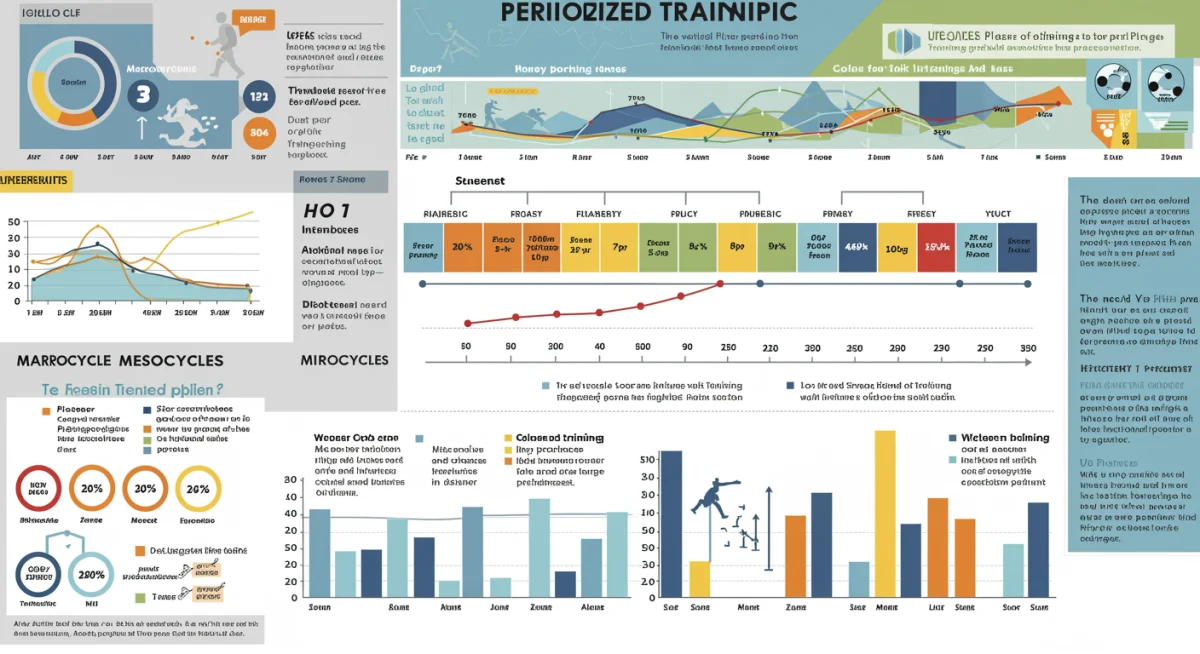
For example, during high-volume or high-intensity phases, caloric intake and macronutrient ratios might need to be adjusted to support increased energy expenditure and muscle protein synthesis. Conversely, during recovery or tapering phases, adjustments might focus on reducing inflammation and ensuring adequate micronutrient intake.
- Hydration: Maintain optimal fluid balance, especially during and after workouts.
- Macronutrient timing: Strategically consume carbohydrates, proteins, and fats around training sessions.
- Sleep hygiene: Prioritize 7-9 hours of quality sleep per night for hormonal balance and repair.
- Active recovery: Incorporate low-intensity activities like stretching or light walking on rest days.
By consciously integrating nutrition and recovery into each phase of your periodized plan, you create an environment where the body can thrive and adapt maximally. This comprehensive approach ensures that you’re not just training hard, but also recovering smart, paving the way for consistent progress and sustained peak performance throughout the year.
Periodization for specific goals: strength, endurance, and hypertrophy
While the fundamental principles of periodization remain constant, its application can vary significantly depending on an athlete’s specific goals. Whether you are aiming for maximal strength, increased endurance, or significant muscle hypertrophy, the way you structure your macrocycles, mesocycles, and microcycles will need to be tailored. This customization is what makes periodization a versatile and powerful tool for diverse athletic pursuits.
Understanding how to manipulate variables such as intensity, volume, and frequency for different adaptations is key. A strength-focused program will prioritize heavy loads and lower repetitions, while an endurance program will emphasize higher volumes and lower intensities. Hypertrophy training, meanwhile, often sits in a middle ground, focusing on moderate loads and higher volumes to stimulate muscle growth.
Tailoring periodization to your objectives
Effective periodization requires a clear understanding of the physiological demands of your chosen goal. For instance, a powerlifter’s annual plan will look very different from that of a marathon runner. However, both will benefit from the systematic progression and planned recovery that periodization offers.
- Strength periodization: Cycles of accumulation (hypertrophy), intensification (strength), and peaking (power).
- Endurance periodization: Focus on building aerobic base, then increasing intensity and race-specific training.
- Hypertrophy periodization: Emphasizes progressive overload through increasing volume and time under tension, with planned deloads.
By custom-fitting periodization to your unique aspirations, you can optimize every aspect of your training. This targeted approach ensures that the stimulus provided is always appropriate for the desired adaptation, leading to more efficient progress and a higher likelihood of achieving your specific performance goals. It’s about precision in planning.
Advanced periodization strategies for 2025
As athletes become more experienced and their bodies adapt to standard training protocols, more sophisticated periodization strategies may be necessary to continue making progress. Linear periodization, while effective for beginners, can become less potent for advanced athletes who require more varied stimuli. In 2025, exploring advanced models such as undulating or block periodization can provide the necessary challenge to break through plateaus and achieve new levels of performance.
These advanced methods offer greater flexibility and variation within training cycles, allowing for multiple fitness qualities to be trained simultaneously or in concentrated blocks. They are designed to keep the body guessing, constantly providing new challenges that stimulate adaptation and prevent overreaching. Moving beyond traditional models is often the key for elite performance.
Exploring non-linear and block periodization
Non-linear periodization, also known as undulating periodization, involves frequent changes in training intensity and volume within a microcycle, often on a daily or weekly basis. This contrasts with linear periodization’s gradual progression. Block periodization, on the other hand, concentrates specific training goals into distinct, highly focused blocks, allowing for greater adaptation in a particular quality before moving to the next.
- Daily undulating periodization (DUP): Varies training stimulus daily (e.g., heavy day, light day, moderate day).
- Weekly undulating periodization (WUP): Changes intensity/volume weekly within a mesocycle.
- Block periodization: Focuses on specific qualities (e.g., hypertrophy, strength, power) in sequential, concentrated blocks.
- Concurrent periodization: Trains multiple fitness qualities simultaneously, often for multi-sport athletes.
Implementing these advanced strategies requires a deeper understanding of training principles and careful monitoring of an athlete’s response. However, for those seeking to push their physical limits in 2025, these methods offer a powerful pathway to sustained progress and enhanced performance. It’s about fine-tuning your approach for maximal impact.
| Key Concept | Brief Description |
|---|---|
| Macrocycle | Annual training plan with major goals and phases. |
| Mesocycle | Intermediate 2-6 week training blocks for specific adaptations. |
| Microcycle | Weekly training units detailing workouts, sets, and reps. |
| Recovery & Nutrition | Essential pillars supporting training adaptations and preventing burnout. |
Frequently asked questions about periodization
The main purpose of periodization is to systematically vary training stimulus over time to maximize physiological adaptations, prevent overtraining, reduce injury risk, and ensure an athlete reaches peak performance at specific, predetermined times, such as during a competition.
Periodization prevents plateaus by constantly introducing varied stimuli and progressive overload. By changing intensity, volume, and exercise selection across different phases, the body is continually challenged to adapt, avoiding the stagnation that occurs when training becomes too repetitive.
No, periodization is beneficial for individuals of all fitness levels, not just elite athletes. While the complexity of the plan may differ, the core principles of structured progression and planned recovery apply to anyone looking to achieve consistent fitness gains, prevent injury, and optimize their training.
A typical periodized training plan consists of major phases: preparation (general and specific), competition (pre-competition and main competition), and transition (active recovery). These phases are designed to progressively build fitness, peak for events, and allow for adequate recovery.
While a macrocycle provides a yearly blueprint, microcycles (weekly) are often adjusted based on an individual’s response to training, fatigue levels, and progress. Mesocycles (2-6 weeks) may also be modified if performance metrics indicate a need for change or if external factors intervene.
Conclusion
Embracing periodization for peak performance in 2025 is more than just following a workout routine; it’s adopting a strategic mindset towards your fitness journey. By systematically planning your training year into macrocycles, mesocycles, and microcycles, you empower your body to achieve optimal adaptations, prevent overtraining, and perform at its absolute best when it truly counts. Remember that integrating nutrition and recovery is just as vital as the training itself. Whether you’re an elite athlete or a dedicated fitness enthusiast, a well-periodized plan is your roadmap to sustained progress and unparalleled success in your athletic endeavors.