Financial Impact of Smart Nutrition: Save 20% on US Groceries
Smart nutrition offers significant financial benefits, enabling US consumers to save up to 20% on groceries while optimizing protein intake through strategic meal planning and smart shopping choices.
Are you looking to improve your diet, boost your protein intake, and save money on groceries all at once? The financial impact of smart nutrition: saving 20% on groceries while maximizing protein intake in the US is more attainable than you might think. This guide will show you how strategic planning and informed choices can transform your plate and your budget.
Understanding the Cost of Protein in the American Diet
Many Americans perceive high-protein diets as expensive, often associating them with premium cuts of meat or specialized supplements. However, this perception overlooks a vast array of affordable protein sources readily available. Understanding the true cost of protein involves looking beyond the obvious and exploring economical alternatives that offer excellent nutritional value without breaking the bank.
The average American household spends a significant portion of its budget on food, and protein often accounts for a substantial part of that expenditure. By making conscious choices, it’s entirely possible to meet daily protein requirements efficiently and economically. This section delves into how common protein sources stack up in terms of cost-effectiveness.
Breaking Down Protein Costs Per Serving
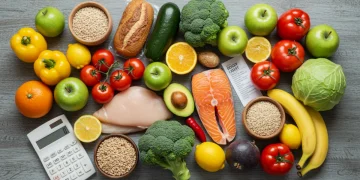
Not all protein is created equal, especially when it comes to price. Analyzing the cost per gram of protein can reveal surprising truths about what’s truly budget-friendly.
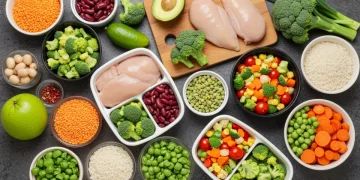
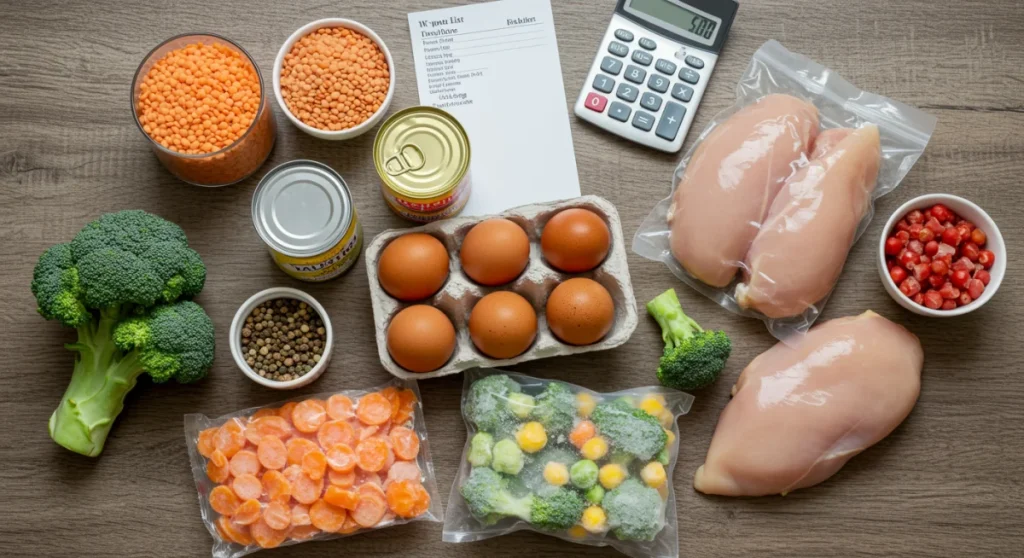
- Eggs: Often hailed as a perfect protein, eggs are incredibly versatile and inexpensive, providing about 6 grams of protein per large egg for mere cents.
- Legumes (Lentils, Beans, Chickpeas): These plant-based powerhouses are not only rich in protein but also fiber, and can be purchased dried for pennies per serving.
- Canned Fish (Tuna, Sardines): A convenient and affordable source of lean protein and omega-3 fatty acids, ideal for quick meals.
- Chicken Thighs/Drumsticks: While chicken breast is popular, darker meat cuts are often significantly cheaper per pound and still offer high protein content.
The Hidden Costs of Unplanned Eating
Beyond the direct cost of protein, consider the financial drain of impulse purchases and eating out. These habits, often driven by a lack of meal planning, can quickly erode any savings made on groceries. A well-structured meal plan centered around affordable protein helps curb these expenditures, contributing to overall savings.
Ultimately, a deep understanding of protein costs per serving and the financial pitfalls of unplanned eating lays the groundwork for significant grocery savings. It empowers consumers to make informed decisions that benefit both their health and their wallets, proving that a high-protein diet doesn’t have to be a luxury.
Strategic Meal Planning for Maximum Protein and Savings
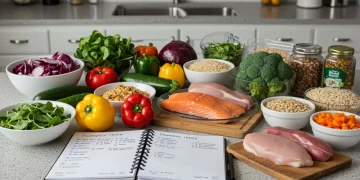
Strategic meal planning is the cornerstone of achieving both high protein intake and substantial grocery savings. It moves beyond simply listing ingredients to a comprehensive approach that considers nutritional needs, budget constraints, and efficient use of resources. This section explores how to craft meal plans that are both delicious and economical.
Effective meal planning reduces food waste, minimizes impulse buys, and ensures that every dollar spent on groceries contributes to your health goals. By dedicating time to plan, you can unlock significant savings, potentially reaching the 20% target mentioned earlier, all while ensuring adequate protein in your diet.
Batch Cooking and Leftover Optimization
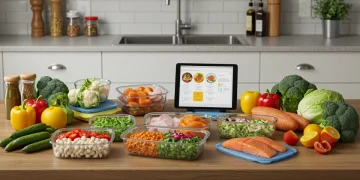
One of the most powerful tools in strategic meal planning is batch cooking. Preparing larger quantities of meals or components at once saves time and money throughout the week.
- Protein Prep: Cook a large batch of chicken, lentils, or ground turkey to use in multiple meals, such as salads, wraps, or stir-fries.
- Versatile Bases: Prepare grains like quinoa or brown rice in bulk to serve as foundations for various dishes.
- Intelligent Leftovers: Transform dinner leftovers into next day’s lunch, avoiding the expense of eating out. Creative repurposing keeps meals exciting.
Leveraging Seasonal Produce and Sales
Incorporating seasonal fruits and vegetables into your meal plan can drastically cut costs. Seasonal produce is typically more abundant, fresher, and therefore cheaper. Similarly, keeping an eye on grocery store sales flyers and planning your meals around discounted items is a smart financial move.
By consciously integrating seasonal and sale items, you not only save money but also enjoy fresher, more flavorful ingredients. This approach makes healthy eating more accessible and sustainable in the long run. Strategic meal planning, through batch cooking and smart shopping, becomes a powerful tool for financial and nutritional success.
Smart Shopping Techniques to Cut Grocery Bills by 20%
Achieving a 20% reduction in grocery expenses while maintaining a high-protein diet requires more than just good intentions; it demands smart shopping techniques. These methods involve being an informed consumer, making deliberate choices at the store, and avoiding common pitfalls that lead to overspending. This section outlines practical strategies to maximize your savings.
The grocery store environment is designed to encourage spending, but with a clear plan and disciplined execution, you can navigate it effectively. By focusing on value, bulk purchasing, and conscious consumption, you can significantly impact your monthly food budget and reallocate those savings to other financial goals.
Comparing Unit Prices and Buying in Bulk Wisely
Understanding unit pricing is a fundamental skill for any budget-conscious shopper. This involves comparing the cost per ounce, gram, or serving, rather than just the package price, to identify the best value.
- Unit Price Scrutiny: Always check the unit price label, especially for staples like grains, beans, and lean meats, to ensure you’re getting the most for your money.
- Bulk Buying: For non-perishable protein sources like dried beans, lentils, or frozen chicken breasts, buying in larger quantities can offer substantial savings. Ensure you have adequate storage space to prevent spoilage.
- Membership Clubs: Consider warehouse clubs for bulk purchases of items you consume regularly, but only if the membership fee is justified by your savings.
The Power of a Shopping List and Avoiding Impulse Buys
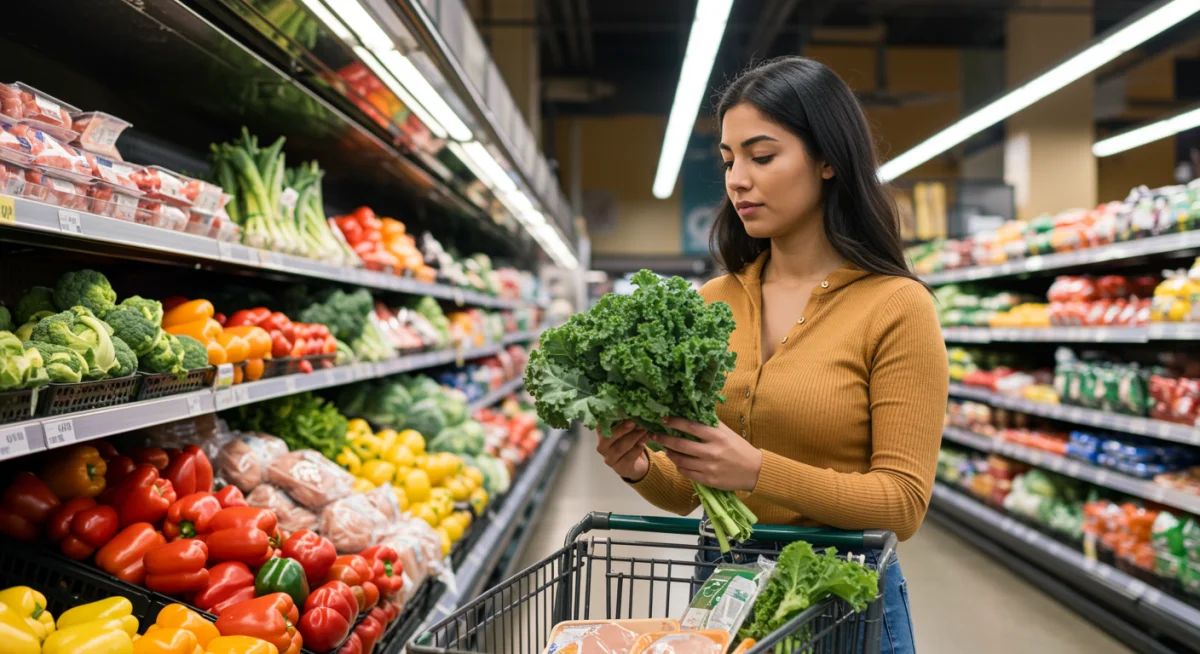
A well-prepared shopping list is your most potent weapon against impulse purchases. Sticking strictly to your list helps you avoid unnecessary items and keeps you focused on your planned meals.
Before heading to the store, review your pantry and freezer to prevent buying duplicates. While in the store, be mindful of end-cap displays and checkout line temptations, as these are strategically placed to encourage unplanned spending. By mastering these smart shopping techniques, you gain greater control over your food budget, making your goal of saving 20% on groceries a tangible reality.
Affordable High-Protein Food Swaps and Substitutions
Maximizing protein intake doesn’t have to mean exclusively eating expensive cuts of meat. The world of nutrition offers numerous affordable food swaps and substitutions that can significantly boost your protein consumption while keeping your grocery bill in check. This section highlights practical alternatives that are both nutritious and budget-friendly.
Embracing these swaps allows for dietary flexibility and introduces new flavors and textures into your meals. It’s about being resourceful and understanding that many ingredients offer similar nutritional benefits at a fraction of the cost, making healthy eating accessible to everyone.
Plant-Based Protein Powerhouses
Plant-based proteins are often more affordable and versatile than their animal-based counterparts, offering a wealth of fiber and micronutrients in addition to protein.
- Lentils and Beans: Swap expensive beef for lentils in chilis and stews, or use black beans as a base for burgers.
- Tofu and Tempeh: These soy-based products are excellent meat substitutes in stir-fries, curries, and scrambles, soaking up flavors beautifully.
- Nutritional Yeast: A cheesy-flavored seasoning that adds a protein boost and B vitamins to sauces, popcorn, and roasted vegetables.
Budget-Friendly Animal Protein Options
For those who prefer animal proteins, there are still plenty of cost-effective choices that provide ample protein.
Instead of prime cuts of steak, opt for ground turkey or chicken, which can be used in a multitude of dishes from tacos to meatballs. Chicken thighs and drumsticks are also significantly cheaper than breasts and just as nutritious. Furthermore, eggs remain one of the most economical and complete protein sources, perfect for any meal of the day. These smart substitutions demonstrate that a high-protein diet does not inherently equate to a high cost, empowering you to maintain your nutritional goals within your financial limits.
Meal Prep Strategies for Busy Lifestyles
In today’s fast-paced world, time is a precious commodity. For many, a busy lifestyle often leads to reliance on convenience foods or eating out, both of which can quickly derail attempts at healthy eating and budget management. Effective meal prep strategies are crucial for those balancing demanding schedules with nutritional and financial goals, ensuring high protein intake without sacrificing savings.
By streamlining the cooking process and having healthy meals ready to go, you eliminate the temptation of less healthy, more expensive options. This section provides actionable advice on how to integrate meal prep into even the busiest routines, making smart nutrition a sustainable practice.
Sunday Prep: Your Weekly Head Start
Dedicate a few hours on a less hectic day, typically Sunday, to prepare components for the week’s meals. This initial investment of time pays dividends throughout the week.
- Wash and Chop Produce: Pre-cut vegetables for quick stir-fries, salads, or snacks.
- Cook Grains and Legumes: Prepare a large batch of quinoa, rice, or lentils to use as bases for various meals.
- Portion Proteins: Cook and portion out lean proteins like chicken, turkey, or hard-boiled eggs.
Freezing for Future Convenience
Don’t underestimate the power of your freezer. Freezing prepared meals or components can save you from cooking fatigue and ensures you always have a healthy option on hand.
Soups, stews, casseroles, and even individual portions of cooked protein freeze well. Labeling and dating your freezer items helps with organization and ensures food is consumed within its optimal timeframe. By adopting these meal prep habits, even the busiest individuals can maintain a high-protein diet and achieve significant grocery savings, proving that healthy eating is compatible with a demanding schedule.
Tracking Your Progress: Monitoring Savings and Protein Intake
The journey to saving 20% on groceries while maximizing protein intake is a continuous process that benefits greatly from consistent tracking and monitoring. Without a clear understanding of your current spending and nutritional intake, it’s challenging to identify areas for improvement and celebrate successes. This section emphasizes the importance of data-driven decision-making in achieving your financial and health objectives.
By regularly reviewing your grocery expenditures and dietary habits, you can fine-tune your strategies, adapt to changing prices, and ensure you remain on track. This proactive approach fosters accountability and reinforces the positive behaviors necessary for long-term success.
Budgeting Tools and Apps for Grocery Spending
Numerous digital tools and apps can simplify the process of tracking your grocery spending. These resources provide valuable insights into where your money is going and help you adhere to your budget.
- Budgeting Apps: Utilize apps like Mint, YNAB, or personal banking apps that categorize expenses, allowing you to set and monitor grocery budgets.
- Spreadsheets: A simple spreadsheet can be highly effective for logging purchases and comparing them against your planned budget.
- Receipt Tracking: Keep all grocery receipts and review them weekly to identify patterns and areas where you might be overspending.
Estimating and Monitoring Protein Intake
Just as important as tracking spending is monitoring your protein intake to ensure you’re meeting your nutritional goals. While precise measurement isn’t always necessary, a general awareness is beneficial.
Many food tracking apps, such as MyFitnessPal or Cronometer, allow you to log your meals and provide detailed macronutrient breakdowns, including protein content. This helps you understand if your current diet is delivering sufficient protein and where adjustments might be needed. Regularly reviewing both your financial and nutritional data empowers you to make informed decisions, ensuring you not only save money but also optimize your health through smart nutrition.
Overcoming Common Challenges in Budget-Friendly High-Protein Eating
Embarking on a journey to maximize protein intake while saving 20% on groceries in the US is not without its hurdles. From navigating fluctuating food prices to resisting the allure of convenience, various challenges can test your resolve. This section addresses common obstacles and offers practical solutions to ensure your smart nutrition strategy remains sustainable and effective.
Anticipating these difficulties and having a plan to overcome them is key to long-term success. By developing resilience and adaptability, you can maintain your commitment to both your health and financial goals, even when faced with unexpected circumstances.
Dealing with Food Price Volatility
Food prices can be unpredictable, often rising due to seasonal changes, supply chain issues, or inflation. This volatility can make consistent budgeting challenging.
- Flexibility in Meal Planning: Be prepared to adapt your meal plan based on current sales and ingredient availability. If chicken prices spike, pivot to lentils or eggs.
- Stockpiling Staples: When non-perishable protein sources like dried beans or canned fish are on deep discount, buy extra to build a pantry reserve.
- Exploring New Stores: Don’t limit yourself to one grocery store. Different retailers may have better prices on specific items.
Resisting Convenience and Food Waste
The convenience of pre-made meals and dining out is a major temptation, often leading to increased spending and decreased nutritional quality. Food waste also significantly impacts your budget.
To combat this, reinforce your meal prep habits and plan for quick, healthy snacks. Make sure to properly store leftovers to extend their shelf life and repurpose ingredients creatively to minimize waste. By proactively addressing these common challenges, you can safeguard your budget and nutritional goals, ensuring that your efforts toward smart nutrition and grocery savings yield lasting results.
| Key Strategy | Brief Description |
|---|---|
| Strategic Meal Planning | Plan meals around affordable protein, reducing waste and impulse buys. |
| Smart Shopping Techniques | Utilize unit pricing, bulk buying, and strict shopping lists. |
| Affordable Protein Swaps | Substitute expensive proteins with cost-effective plant-based or cheaper animal options. |
| Tracking Progress | Monitor grocery spending and protein intake to optimize efforts. |
Frequently Asked Questions About Smart Nutrition and Savings
▼
Many individuals and families in the US can realistically save 15-25% on their grocery bills by implementing smart nutrition strategies such as meal planning, buying in bulk, and choosing affordable protein sources. Consistent effort is key to achieving these savings.
▼
Some of the most affordable high-protein foods include dried lentils and beans, eggs, canned tuna or sardines, chicken thighs and drumsticks, and ground turkey. These options provide excellent nutritional value without a hefty price tag.
▼
Absolutely. Plant-based proteins like lentils, chickpeas, black beans, tofu, tempeh, and nutritional yeast are not only cost-effective but also rich in protein and fiber. Strategic meal planning with these ingredients can easily fulfill protein requirements.
▼
Meal prepping reduces impulsive food purchases and eating out, directly saving money. By preparing protein-rich meals in advance, you ensure consistent high protein intake and avoid costly, less healthy convenience options during busy periods.
▼
Budgeting apps like Mint or YNAB, simple spreadsheets, and food tracking apps like MyFitnessPal or Cronometer are excellent tools. They help monitor expenses, analyze spending patterns, and track macronutrient intake, including protein, for informed decisions.
Conclusion
The journey to realizing the significant financial impact of smart nutrition: saving 20% on groceries while maximizing protein intake in the US is a highly achievable and rewarding endeavor. By adopting strategic meal planning, employing smart shopping techniques, embracing affordable protein swaps, and diligently tracking your progress, you can transform your dietary habits and your financial outlook simultaneously. This comprehensive approach not only ensures you meet your nutritional needs but also empowers you to reclaim a substantial portion of your grocery budget, proving that healthy eating and financial prudence can indeed go hand-in-hand.