Plant-Based vs. Lean Protein: Muscle Gain 2026
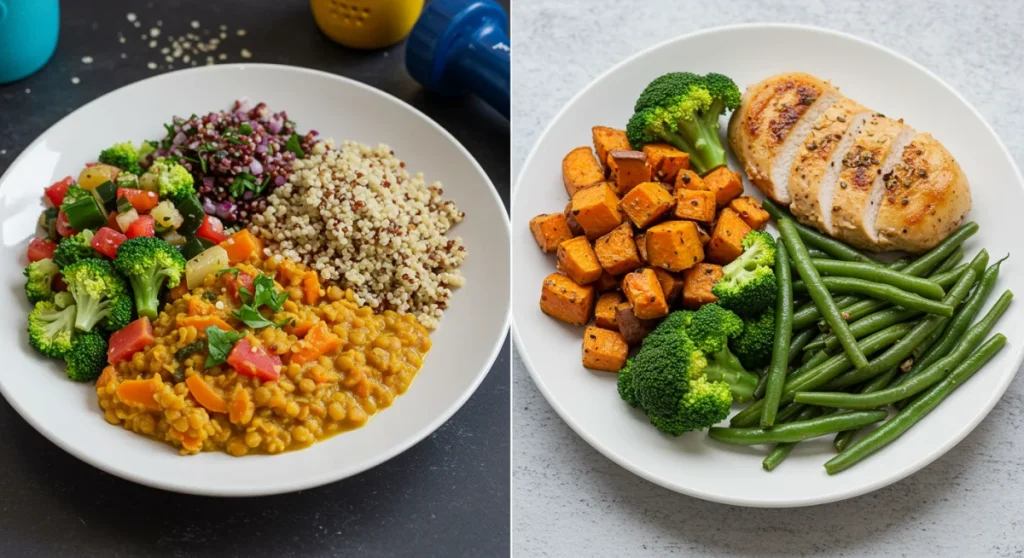
Comparing plant-based and lean protein recipes for muscle gain in 2026 reveals nuanced differences in nutritional profiles and absorption, with individual dietary choices significantly influencing optimal results for fitness enthusiasts.
Are you striving for optimal muscle gain and wondering if your protein source truly makes a difference? The debate between plant-based and lean protein for muscle development is more relevant than ever in 2026. This comprehensive guide dives deep into the science and practical applications, exploring whether plant-based protein muscle recipes can truly deliver 20% better results than their lean meat counterparts, or vice-versa.
Understanding Protein for Muscle Growth
Protein is an essential macronutrient, playing a critical role in muscle repair and growth. When we engage in resistance training, our muscle fibers experience micro-tears. Protein provides the amino acids necessary to rebuild and strengthen these fibers, leading to increased muscle mass. The quality and quantity of protein consumed are both vital factors in this process, influencing how effectively our bodies can synthesize new muscle tissue.
Beyond just muscle synthesis, protein also contributes to satiety, helping with weight management, and supports overall bodily functions. The concept of a ‘complete protein’ is often discussed, referring to sources that contain all nine essential amino acids that our bodies cannot produce on their own. Both animal and plant sources can provide these, though the distribution and digestibility can vary.
Amino Acid Profiles
The building blocks of protein are amino acids. There are 20 different amino acids, nine of which are considered essential. Complete protein sources provide all essential amino acids in sufficient quantities. Historically, animal proteins have been lauded as superior due to their naturally complete amino acid profiles. However, careful planning of plant-based meals can easily achieve this too.
- Essential Amino Acids: Histidine, Isoleucine, Leucine, Lysine, Methionine, Phenylalanine, Threonine, Tryptophan, Valine.
- Branched-Chain Amino Acids (BCAAs): Leucine, Isoleucine, and Valine are particularly important for muscle protein synthesis.
- Limiting Amino Acids: Some plant proteins might be low in one or more essential amino acids, but combining different plant sources throughout the day can overcome this.
Understanding these profiles is crucial for anyone aiming to maximize muscle gain, regardless of their dietary preference. The goal is to ensure a consistent intake of all essential amino acids to support continuous muscle repair and growth.
Ultimately, the effectiveness of protein for muscle growth isn’t just about whether it’s from a plant or animal, but rather its overall amino acid composition and how well it’s integrated into a balanced diet. Both lean animal proteins and a well-planned plant-based diet can provide the necessary building blocks for significant muscle development.
The Lean Protein Advantage: Traditional Muscle Building
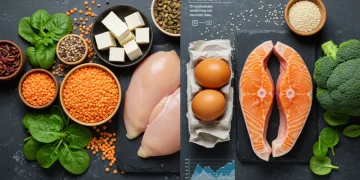
For decades, lean animal proteins have been the cornerstone of muscle-building diets. Sources like chicken breast, turkey, fish, and lean cuts of beef are celebrated for their high protein content, low fat, and complete amino acid profiles. These proteins are readily absorbed and utilized by the body, making them highly efficient for muscle repair and growth.
The convenience and widespread availability of lean animal proteins also contribute to their popularity. Many athletes and bodybuilders find it straightforward to meet their daily protein requirements through these sources. Furthermore, animal proteins often come packed with other essential nutrients like iron, zinc, and vitamin B12, which are crucial for energy production and overall health.
Optimal Lean Protein Sources
Choosing the right lean protein sources can significantly impact your muscle gain journey. Focus on variety to ensure a broad spectrum of nutrients and to prevent dietary fatigue.
- Chicken Breast: A classic for a reason, offering high protein with minimal fat.
- Turkey: Similar to chicken, it’s versatile and a great source of lean protein.
- Fish (Salmon, Tuna, Cod): Provides not only protein but also beneficial omega-3 fatty acids.
- Lean Beef (Sirloin, Round): Offers iron and creatine, important for strength and performance.
- Eggs: A complete protein source, versatile and affordable.
- Dairy (Greek Yogurt, Cottage Cheese): Rich in casein and whey protein, ideal for sustained release and quick absorption.
These sources are generally considered highly bioavailable, meaning the body can easily digest and absorb their amino acids. This efficient absorption is a key factor in their effectiveness for muscle protein synthesis, contributing to faster recovery and growth.
While the benefits of lean animal proteins for muscle gain are well-established, it’s also important to consider cooking methods and overall dietary balance to maximize their impact. Grilling, baking, and steaming are preferred over frying to keep fat content low and nutritional value high.
The Rise of Plant-Based Protein for Muscle Gain
In recent years, plant-based diets have gained immense traction, not just for ethical or environmental reasons, but also for their proven benefits in muscle building. Athletes and fitness enthusiasts are increasingly turning to plant-based protein sources, dispelling the myth that significant muscle gain is exclusive to meat-eaters. With careful planning, plant-based diets can provide all the necessary nutrients for robust muscle development.
The key to successful plant-based muscle gain lies in understanding protein complementarity – combining different plant sources to ensure a complete amino acid profile throughout the day. Many plant proteins also offer the added benefits of fiber, vitamins, and minerals, often lacking in traditional meat-heavy diets, which can contribute to overall health and performance.
Key Plant-Based Protein Sources
The variety of plant-based protein sources available is vast and ever-growing, making it easier than ever to create delicious and effective muscle-building meals.
- Legumes (Lentils, Chickpeas, Black Beans): Excellent sources of protein and fiber.
- Tofu, Tempeh, Edamame: Soy-based products that are complete proteins and highly versatile.
- Quinoa: A grain that stands out as a complete protein.
- Nuts and Seeds (Almonds, Chia Seeds, Hemp Seeds): Provide protein, healthy fats, and micronutrients.
- Seitan: Made from wheat gluten, it’s very high in protein and has a meat-like texture.
- Plant-Based Protein Powders: Pea, rice, hemp, and soy proteins can supplement daily intake.
Many plant-based proteins also come with the advantage of being lower in saturated fat and cholesterol compared to some animal products, which can contribute to better cardiovascular health. The high fiber content also aids in digestion and promotes a feeling of fullness, which can be beneficial for managing calorie intake.
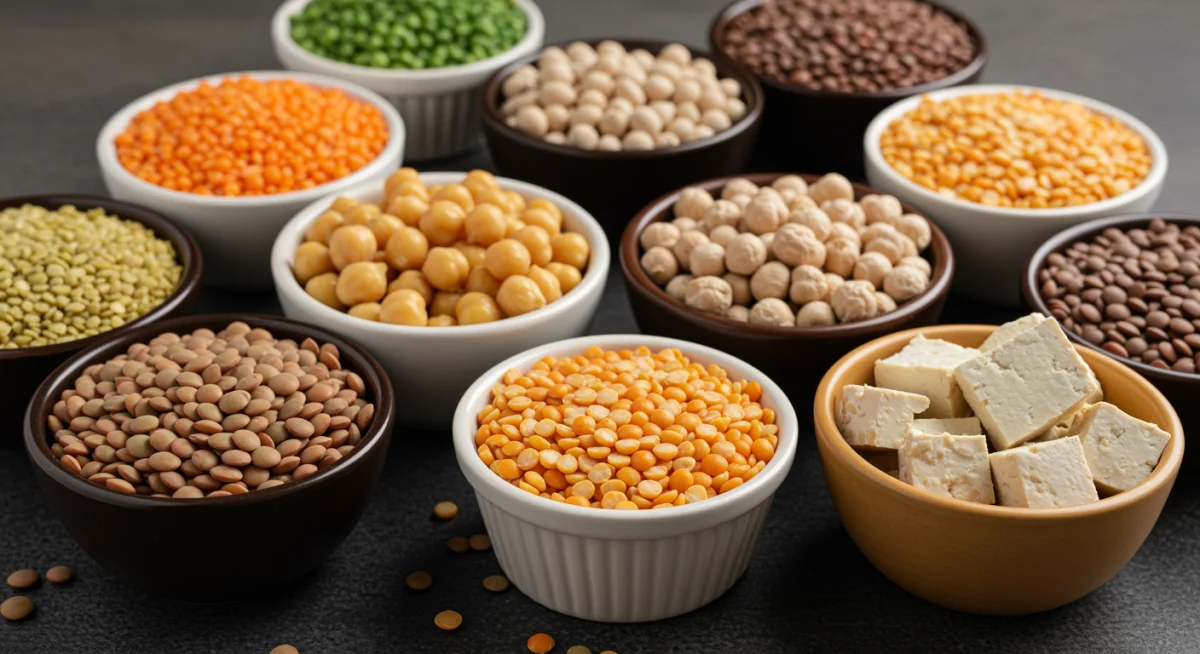

Embracing plant-based protein for muscle gain is not just a trend but a sustainable and effective approach that offers numerous health benefits. By diversifying your intake of these sources, you can build a strong, healthy physique while adhering to a plant-focused lifestyle.
Digestibility and Absorption: What the Science Says
The effectiveness of protein for muscle gain isn’t solely about its amino acid profile but also how well the body can digest and absorb those amino acids. This is often referred to as protein quality or bioavailability. Historically, animal proteins have been considered superior in this regard due to their structure and lack of certain anti-nutrients found in some plant foods.
However, modern research and food processing techniques are narrowing this gap. While some plant proteins might have slightly lower digestibility scores, combining different plant sources, soaking, sprouting, and fermenting can significantly improve their bioavailability. For dedicated individuals, this means that with a well-planned approach, plant-based diets can be just as effective.
Protein Digestibility Corrected Amino Acid Score (PDCAAS)
The PDCAAS is a method used to evaluate protein quality based on human amino acid requirements and the ability to digest it. Scores range from 0 to 1, with 1 being the highest quality.
- Animal Proteins: Generally score high (e.g., egg white, casein, whey, beef all score 1).
- Soy Protein Isolate: Also scores 1, making it an excellent plant-based option.
- Other Plant Proteins: Can vary, but a combination of different plant sources (e.g., rice and pea protein) can achieve a complete and highly digestible profile.
Newer metrics like the Digestible Indispensable Amino Acid Score (DIAAS) are also emerging, which further refine the understanding of protein quality by considering individual amino acid digestibility. While this is an evolving field, the consensus remains that a varied diet, whether plant-based or omnivorous, is key to obtaining all necessary nutrients.
Ultimately, while there might be slight differences in initial absorption rates, these are often negligible in the context of a balanced and varied diet for most individuals. The body is remarkably adaptive, and consistent intake of diverse protein sources will support optimal muscle synthesis.
Recipe Showdown: Plant-Based vs. Lean Protein
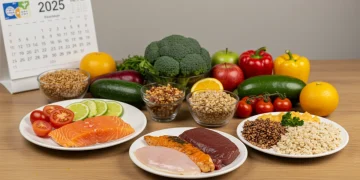
To truly compare the efficacy of plant-based versus lean protein for muscle gain, it’s helpful to look at practical recipe examples. Both categories offer delicious and nutrient-dense options that can be tailored to individual preferences and dietary needs. The goal is to create meals that are high in protein, balanced with complex carbohydrates and healthy fats, and enjoyable to eat consistently.
For lean protein, recipes often revolve around grilled or baked meats, paired with whole grains and a variety of vegetables. For plant-based options, the creativity expands to incorporate legumes, tofu, tempeh, seitan, and diverse grains, ensuring a full spectrum of nutrients and flavors. The key is to avoid bland, repetitive meals, as adherence to any diet is crucial for long-term success.
Lean Protein Recipe Example: “Powerhouse Chicken & Quinoa Bowl”
This recipe provides a balanced meal with high-quality lean protein, complex carbs, and essential micronutrients.
- Ingredients: 6oz grilled chicken breast, 1 cup cooked quinoa, 1 cup roasted broccoli, 1/4 avocado, a squeeze of lemon.
- Protein Content: Approximately 45-50g.
- Benefits: Complete protein, quick digestion, rich in B vitamins, and easily customizable with different vegetables.
Plant-Based Recipe Example: “Spicy Lentil & Tofu Scramble”
A hearty and protein-packed plant-based meal demonstrating protein complementarity.
- Ingredients: 1/2 block firm tofu (crumbled), 1/2 cup cooked brown lentils, 1/2 cup spinach, 1/4 bell pepper (diced), turmeric and chili powder for spice, served with a slice of whole-wheat toast.
- Protein Content: Approximately 30-35g.
- Benefits: Complete protein from tofu and lentils, high in fiber, iron, and a good source of various minerals.
When comparing these, it’s clear that both can be effective. The lean protein option might offer a slightly higher protein density per serving, but the plant-based option provides a wealth of fiber and diverse micronutrients often associated with better gut health and overall well-being. Both approaches emphasize whole, unprocessed foods, which is fundamental for any muscle gain strategy.
Beyond Protein: Micronutrients and Health Benefits
While protein is paramount for muscle gain, a holistic approach to nutrition requires considering the broader spectrum of micronutrients and overall health benefits. Both plant-based and lean protein diets can be incredibly healthy, but they offer distinct advantages and require different considerations to ensure nutritional completeness.
Lean protein sources often come rich in iron, zinc, and vitamin B12, crucial for energy metabolism, immune function, and nerve health. Plant-based diets, on the other hand, are typically higher in fiber, antioxidants, and a wider array of phytochemicals, which are associated with reduced risk of chronic diseases, improved gut health, and lower inflammation.
Micronutrient Considerations
Understanding where each diet excels can help in making informed choices or supplementing where necessary.
- Iron: Abundant in red meat; plant sources like lentils, spinach, and fortified cereals also provide it (often non-heme, which is less absorbable but can be enhanced with Vitamin C).
- Vitamin B12: Primarily found in animal products; essential for vegans to supplement or consume fortified foods.
- Zinc: High in meat, especially red meat; also found in legumes, nuts, and seeds.
- Calcium: Dairy is a major source; plant-based options include fortified plant milks, leafy greens, and tofu.
- Fiber: Exclusively from plant foods, crucial for digestive health and satiety.
The health benefits extend beyond just nutrient profiles. Studies suggest that well-planned plant-based diets can lead to lower body weight, reduced risk of heart disease, type 2 diabetes, and certain cancers. Meanwhile, lean protein diets, when balanced with plenty of fruits, vegetables, and whole grains, also support excellent health outcomes without these specific dietary restrictions.
Ultimately, the choice comes down to personal preference, ethical considerations, and how well an individual can plan their diet to ensure all nutritional needs are met. Both paths, when executed thoughtfully, can lead to impressive muscle gain and overall health.
The 2026 Outlook: Which Delivers 20% Better Results?
The question of whether plant-based or lean protein recipes deliver 20% better results for muscle gain in 2026 is complex and doesn’t have a simple, universal answer. The reality is that both dietary approaches, when meticulously planned and consistently followed, can lead to significant and comparable muscle development. The ‘20% better’ claim is likely an oversimplification, as individual responses to diet and training are highly variable.
Factors such as training intensity, genetic predisposition, overall calorie intake, sleep quality, and consistency play a far more significant role in muscle gain than the sole choice between plant or animal protein. However, specific nuances within each dietary pattern can offer marginal advantages depending on the individual’s context.
Key Factors Influencing Outcomes
Several elements contribute to the effectiveness of a muscle-building diet, regardless of its foundation.
- Total Protein Intake: Meeting daily protein requirements (typically 1.6-2.2g per kg of body weight) is crucial.
- Caloric Surplus: Consuming more calories than expended is necessary for muscle anabolism.
- Training Program: Progressive overload and proper exercise selection are non-negotiable.
- Nutrient Timing: Consuming protein around workouts can optimize recovery and synthesis.
- Dietary Adherence: Consistency over time yields the best results.
For those opting for plant-based diets, the emphasis must be on ensuring a diverse intake of various plant proteins to cover all essential amino acids. This might require a bit more planning and awareness compared to a diet rich in animal products, which naturally provide complete proteins. However, the increasing availability of fortified plant foods and high-quality plant-based protein supplements makes this task much easier than it once was.
In 2026, advancements in nutritional science and food technology continue to support both pathways. The optimal choice ultimately depends on an individual’s ethical stance, health goals, and ability to sustain a well-balanced diet. There’s no single magic bullet, but rather a combination of smart choices and consistent effort. Both plant-based and lean protein diets can be highly effective for muscle gain, provided they are well-structured and support overall health.
| Key Aspect | Description |
|---|---|
| Protein Quality | Lean proteins are typically complete, while plant-based often require complementarity. |
| Nutrient Density | Lean proteins offer B12, iron; plant-based offer fiber, antioxidants. |
| Digestibility | Animal proteins generally have higher PDCAAS, but plant-based can be optimized. |
| Overall Results | Both can yield comparable muscle gain with proper planning and consistency. |
Frequently Asked Questions
Yes, with careful planning and diverse protein sources, plant-based diets can be equally effective for muscle gain. The key is to ensure complete amino acid intake through various plant foods or supplements, combined with adequate total protein and calories.
Excellent plant-based protein sources include tofu, tempeh, lentils, chickpeas, black beans, quinoa, seitan, and various nuts and seeds. Combining these throughout the day helps ensure a complete amino acid profile necessary for muscle repair and growth.
While a well-planned plant-based diet can provide all necessary nutrients, supplementing with Vitamin B12 is often recommended. Plant-based protein powders can also be a convenient way to boost overall protein intake, especially around workouts.
For optimal muscle gain, most experts recommend consuming between 1.6 to 2.2 grams of protein per kilogram of body weight daily. This range ensures sufficient amino acids are available for muscle protein synthesis and recovery, regardless of your protein source.
While lean animal protein is effective, over-reliance without sufficient plant foods might lead to lower fiber intake and potentially higher saturated fat. A balanced diet incorporating diverse whole foods, whether omnivorous or plant-based, is always the healthiest approach for long-term well-being and muscle growth.
Conclusion
The comparison between plant-based and lean protein recipes for muscle gain in 2026 reveals a nuanced landscape where both approaches can yield impressive results. There isn’t a definitive ‘20% better’ winner, as individual factors, dietary planning, and consistency play paramount roles. Lean proteins offer complete amino acid profiles and high bioavailability, often with essential micronutrients like B12. Plant-based diets, when carefully balanced, provide a rich array of fiber, antioxidants, and diverse micronutrients, while also successfully supporting muscle growth. Ultimately, the most effective strategy for muscle gain is one that aligns with an individual’s preferences, ethical considerations, and health goals, ensuring adequate protein intake from varied, high-quality sources, whether from plants or animals.