Workplace Mental Wellness: Insider Strategies for 15% Boost by 2026

Boosting workplace mental wellness programs by 15% by 2026 requires moving beyond basic offerings to implement insider strategies focused on proactive engagement, data-driven personalization, and leadership commitment for sustainable impact.
In an increasingly demanding professional landscape, the conversation around employee well-being has shifted dramatically. Focusing on workplace mental wellness is no longer just a trend but a critical imperative for organizational success and employee retention. This article delves into insider strategies designed to elevate your mental wellness programs, aiming for a significant 15% boost in effectiveness by 2026.
Understanding the evolving landscape of mental wellness
The perception and management of mental health in the workplace have undergone a profound transformation. What was once a taboo subject, often ignored or relegated to individual responsibility, is now recognized as a collective organizational challenge with significant implications for productivity, engagement, and overall business performance. Companies are realizing that a truly supportive environment extends far beyond physical safety, encompassing the psychological safety and mental well-being of every team member.
This evolution is driven by several factors, including heightened awareness, the impact of global events, and a growing understanding of the economic costs associated with poor mental health. Employees today expect more from their employers than just a paycheck; they seek workplaces that genuinely care for their holistic well-being. This shift necessitates a re-evaluation of traditional wellness programs, pushing organizations to adopt more sophisticated, integrated, and empathetic approaches.
The cost of inaction: why mental wellness matters now more than ever
- Reduced productivity: Mental health issues can significantly impair concentration, decision-making, and overall work quality.
- Increased absenteeism and presenteeism: Employees may take more sick days or be physically present but mentally disengaged.
- Higher turnover rates: A toxic or unsupportive environment often leads to valuable talent seeking opportunities elsewhere.
- Strained workplace relationships: Mental health challenges can impact communication and team dynamics.
Ignoring mental wellness not only impacts individuals but also creates a ripple effect across the entire organization, eroding morale and hindering innovation. Proactive investment in mental health support is a strategic move that yields substantial returns, both human and financial.
Beyond EAPs: crafting comprehensive support systems
Many organizations rely on Employee Assistance Programs (EAPs) as their primary mental wellness offering. While EAPs serve a vital role, they are often underutilized and perceived as reactive solutions rather than proactive support. To achieve a 15% boost in program effectiveness, companies must move beyond EAPs to establish comprehensive, multi-faceted support systems that address mental wellness from various angles.
This involves integrating mental health support into the very fabric of the company culture, making it an accessible and normalized part of the employee experience. A comprehensive system means offering a range of resources, from preventative measures and educational initiatives to immediate crisis intervention and long-term therapeutic options. The goal is to create a safety net that catches employees before they fall, and supports them effectively if they do.
Integrating preventative and proactive measures
- Mindfulness and stress reduction workshops: Regular sessions to equip employees with coping mechanisms.
- Financial wellness education: Addressing a significant source of stress for many individuals.
- Flexible work arrangements: Promoting work-life balance to reduce burnout.
- Mental health first aid training: Empowering employees to recognize and respond to mental health challenges in colleagues.
These proactive measures aim to build resilience and prevent mental health issues from escalating. By offering tools and training that foster mental well-being, companies can create a more robust and supportive environment, reducing the reliance on purely reactive solutions. The key is to make these resources easily discoverable and destigmatized.
Data-driven personalization: tailoring programs to employee needs
One of the most significant pitfalls of traditional wellness programs is their one-size-fits-all approach. Employees are diverse, with varying needs, backgrounds, and stressors. Effective mental wellness programs in 2026 will be characterized by their ability to leverage data to personalize offerings, ensuring that support is relevant, impactful, and genuinely utilized. This involves collecting anonymous feedback, analyzing usage patterns, and adapting programs based on insights.
Data-driven personalization means understanding the unique challenges faced by different demographics within the workforce, such as new parents, remote workers, or employees in high-stress roles. It’s about moving from assumptions to evidence-based interventions, maximizing the return on investment in mental health initiatives. This level of customization fosters a sense of being seen and understood, which is crucial for engagement.
Leveraging analytics for targeted interventions
Implementing effective data collection methods, while strictly maintaining employee privacy and anonymity, is paramount. Surveys, focus groups, and anonymized usage data from wellness platforms can provide invaluable insights into the types of support employees truly need and prefer. For instance, if data reveals a high incidence of anxiety among a specific team, targeted workshops or resources can be deployed to address that particular issue.
Furthermore, analyzing participation rates in different programs can help identify which initiatives resonate most with the workforce and which need to be re-evaluated or promoted differently. This iterative process of data collection, analysis, and adaptation ensures that mental wellness programs remain dynamic and responsive to evolving employee needs, making them far more effective than static, generic offerings.
Leadership’s role: championing mental wellness from the top down
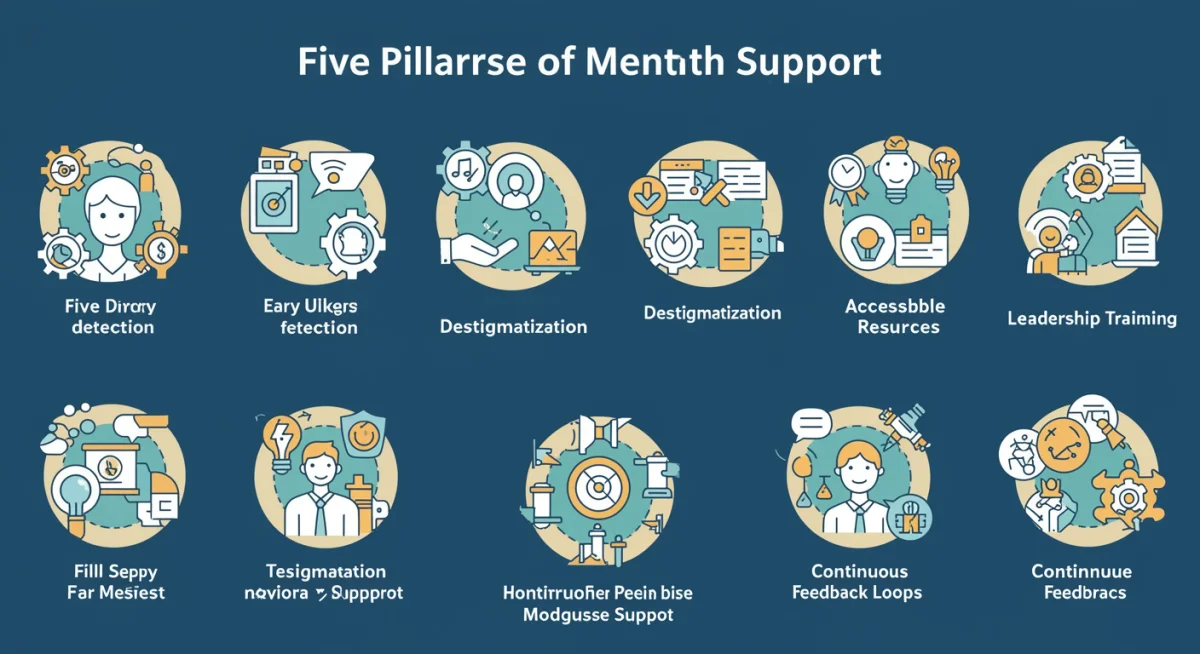
No mental wellness program, however well-designed, can succeed without the explicit and consistent support of leadership. Leaders are not just implementers; they are culture setters. When senior management openly champions mental wellness, shares personal experiences, and actively participates in initiatives, it sends a powerful message throughout the organization: mental health is valued and taken seriously. This top-down commitment is essential for destigmatization and fostering an environment where employees feel safe to seek help.
Leaders must be equipped with the knowledge and skills to lead with empathy, recognize signs of distress in their teams, and direct employees to appropriate resources. Their role extends beyond mere endorsement; it involves active participation in creating a psychologically safe workplace where open dialogue about mental health is normalized. This authenticity from leadership builds trust and encourages employees to engage with the available support systems.
Training leaders for empathetic and informed support
- Mental health literacy for managers: Educating leaders on common mental health conditions and their impact.
- Active listening and communication skills: Training to conduct supportive conversations without overstepping professional boundaries.
- Resource navigation: Ensuring leaders know where to direct employees for professional help.
- Role modeling self-care: Encouraging leaders to prioritize their own mental well-being as an example.
By investing in leadership training, companies empower their managers to be frontline advocates for mental wellness, transforming them from passive observers into active participants in fostering a supportive work environment. This cascades down, creating a culture where mental health is openly discussed and supported at all levels.
Cultivating a culture of psychological safety and belonging
At the heart of effective workplace mental wellness lies a culture of psychological safety and belonging. Psychological safety means employees feel safe to speak up, take risks, and make mistakes without fear of negative consequences. When employees feel psychologically safe, they are more likely to be innovative, engaged, and willing to seek help for mental health challenges. Belonging, on the other hand, refers to the feeling of being accepted and valued for who you are, contributing to a sense of community and connection.
Achieving this level of culture requires intentional effort. It involves promoting inclusive practices, fostering respectful communication, and actively combating discrimination and harassment. A workplace where employees feel safe and belong is inherently more resilient and supportive of mental well-being. This cultural foundation acts as a powerful preventative measure against many mental health stressors.
Implementing strategies for enhanced psychological safety
Creating opportunities for employees to voice concerns anonymously, establishing clear channels for feedback, and ensuring that feedback is acted upon are crucial steps. Regular check-ins, both formal and informal, can help managers gauge team sentiment and address issues before they escalate. Celebrating diversity and fostering an inclusive environment where all voices are heard and respected significantly contributes to a sense of belonging.
Furthermore, transparent communication from leadership about company decisions, challenges, and successes helps build trust and reduces anxiety stemming from uncertainty. When employees feel they are part of a larger, supportive community, their mental resilience is naturally strengthened, making them less susceptible to stress and burnout.
Measuring impact and continuous improvement
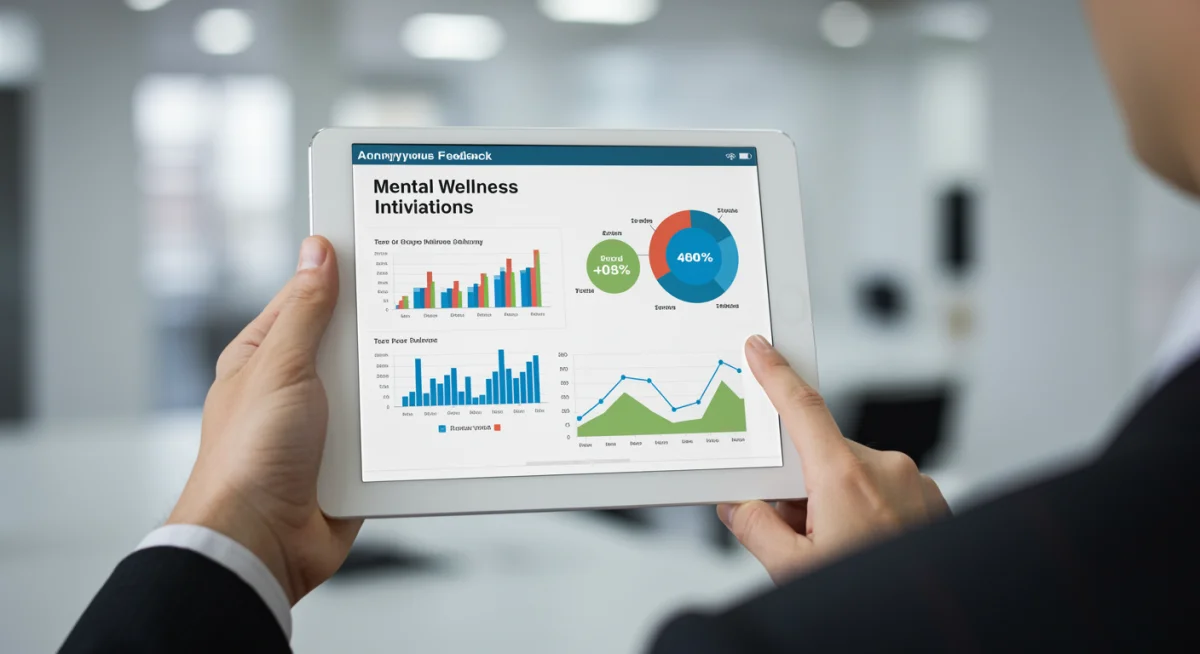
To truly achieve a 15% boost in workplace mental wellness programs by 2026, organizations must move beyond simply offering programs to actively measuring their impact and committing to continuous improvement. This involves establishing clear metrics, regularly evaluating program effectiveness, and being willing to adapt and innovate based on results. Without robust measurement, it’s impossible to know what’s working, what isn’t, and where improvements are needed.
Measuring impact is not about tracking individual mental health statuses, but rather about assessing the overall health of the program and its influence on the collective well-being of the workforce. This data-driven approach ensures accountability and allows for strategic allocation of resources, maximizing the effectiveness of mental wellness initiatives.
Key metrics for evaluating program effectiveness
- Employee engagement with wellness resources: Tracking participation rates in workshops, EAPs, and other offerings.
- Anonymous employee surveys: Gauging perceptions of mental health support, psychological safety, and overall well-being.
- Absenteeism and presenteeism rates: Monitoring trends that may indicate mental health challenges.
- Turnover rates: Observing if improved mental wellness correlates with higher retention.
- Productivity metrics: Assessing if a healthier workforce translates to better performance.
By regularly collecting and analyzing these metrics, organizations can gain a comprehensive understanding of their mental wellness program’s efficacy. This continuous feedback loop enables informed decision-making, allowing for timely adjustments and the introduction of new initiatives that are truly responsive to the evolving needs of the workforce. The commitment to measurement and adaptation is what transforms good intentions into tangible, positive outcomes for employee mental health.
| Key Strategy | Brief Description |
|---|---|
| Comprehensive Support | Move beyond basic EAPs to integrate diverse preventative and reactive mental health resources. |
| Data-Driven Personalization | Utilize anonymous data to tailor mental wellness programs to specific employee needs and demographics. |
| Leadership Advocacy | Ensure senior management champions mental wellness, fostering a culture of openness and support. |
| Psychological Safety | Cultivate an environment where employees feel safe to express concerns and belong without fear. |
Frequently asked questions about workplace mental wellness
While EAPs are valuable, they are often reactive and underutilized. Moving beyond them means integrating proactive, preventative measures and diverse support systems tailored to various employee needs, fostering a more holistic and accessible approach to mental well-being across the organization.
Data, collected anonymously, helps identify specific stressors and needs within different employee demographics. This allows organizations to offer targeted resources, workshops, or support, ensuring that interventions are relevant and impactful, rather than relying on generic, one-size-fits-all solutions.
Leaders are pivotal in destigmatizing mental health. When they openly champion wellness, share experiences, and actively participate, it signals that mental health is valued. Their empathetic support and informed guidance create a psychologically safe environment for employees to seek and utilize help.
Psychological safety allows employees to express ideas, ask questions, and admit mistakes without fear of retribution. This fosters trust, reduces anxiety, and encourages open communication about mental health challenges, leading to a more supportive and resilient workplace culture.
Key metrics include employee engagement with wellness resources, anonymous survey results on well-being perception, absenteeism/presenteeism rates, and turnover rates. Tracking these provides insights into program effectiveness, enabling continuous improvement and strategic resource allocation for better outcomes.
Conclusion
Achieving a 15% boost in workplace mental wellness programs by 2026 is an ambitious yet entirely attainable goal, demanding a shift from conventional approaches to truly insider strategies. This involves a commitment to comprehensive, data-driven, and personalized support systems, championed unequivocally by leadership, and deeply embedded within a culture of psychological safety. By embracing these advanced methodologies, organizations can not only enhance employee well-being but also cultivate a more resilient, engaged, and productive workforce, ultimately driving sustainable success in the years to come. The investment in mental health is an investment in human capital, yielding returns that extend far beyond the balance sheet.